क्रिएटिव फ़ाइल
The Elegant Beauty of Angelfish
One of the most familiar and beloved freshwater fish in the aquarium world, angelfish belong to the cichlid family (Cichlidae). They are admired for their graceful movements and elegant appearance, making them excellent choices for spacious community aquariums.
Brandon Russell
निर्माता
फ़ाइल नोट
नीचे पूरा ट्यूटोरियल या लेख पढ़ें।
मॉड्यूल
डिजिटल कला
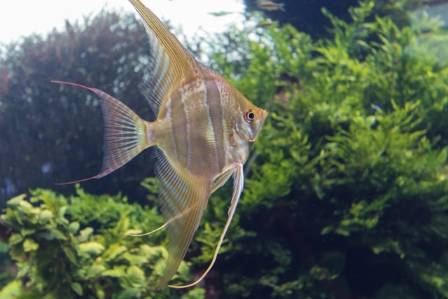
One of the most familiar and beloved freshwater fish in the aquarium world, angelfish belong to the cichlid family (Cichlidae). They are admired for their graceful movements and elegant appearance, making them excellent choices for spacious community aquariums.
Wild-caught angelfish are uncommon in the aquarium trade, as most available specimens are bred in captivity. Naturally occurring angelfish usually have a silver body with dark vertical stripes, but years of selective breeding have produced a wide variety of colors, patterns, and distinctive long-finned forms known as “veiltails.”
The majority of angelfish found in the hobby are Pterophyllum scalare. Another species, Pterophyllum altum, is occasionally available, while Pterophyllum leopoldi—the smallest and most aggressive angelfish species—is rarely seen in aquariums.
Natural Habitat of Angelfish
Angelfish originate from tropical regions of South America, especially areas within the vast Amazon River basin. In the wild, they are most commonly found in calm, slow-moving waters.
They prefer environments with low lighting, often hiding beneath overhanging plants or among submerged tree branches and fallen vegetation. These natural surroundings provide shelter and create the quiet conditions they need for feeding and breeding.
Water Conditions for Angelfish
Captive-bred angelfish are adaptable and can tolerate a variety of water conditions, although they generally do best in warmer environments.
The ideal pH range is between 6.8 and 7.8, with water hardness maintained around 3° to 8° dKH (54 to 145 ppm). The recommended temperature range is approximately 78° to 84°F.
Good filtration is essential to maintain water quality. Regular water changes should be performed, with about 10% replaced every week or 25% every two weeks. When adding new water, tap water should always be treated with a suitable water conditioner to remove harmful chemicals.
Aquarium Setup for Angelfish
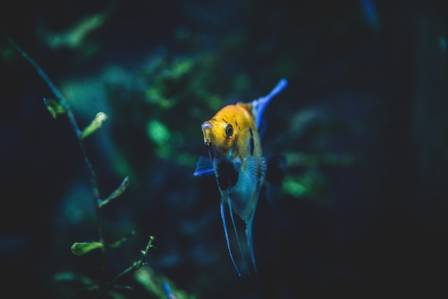
Because angelfish can grow quite large, adult fish require a spacious aquarium of at least 55 gallons. A taller tank is especially suitable because it accommodates their tall, vertically shaped bodies.
Water movement should remain gentle, as angelfish naturally live in slow-moving waters. The aquarium should include broad-leaved plants and vertically arranged driftwood to imitate fallen branches and submerged trees from their native habitat.
Floating plants can also be added to create shaded areas and provide additional hiding spaces. For the bottom of the aquarium, smooth fine- to medium-sized gravel is recommended because angelfish enjoy searching along the substrate for food.
Behavior and Tank Compatibility
Although angelfish are often considered peaceful community fish, they are still members of the cichlid family and may display territorial behavior, especially when forming pairs or preparing to breed.
They may also eat smaller fish that can fit into their mouths. This behavior does not necessarily mean they are aggressive; rather, like many fish species, they are opportunistic feeders.
Suitable tank companions include larger tetras, rasboras, gouramis, peaceful barbs, rainbowfish, corydoras, and other medium-sized catfish. In larger aquariums, angelfish can also live with discus fish as long as the water temperature remains above 82°F.
Feeding Angelfish
Angelfish commonly feed near the surface or in the middle areas of the aquarium. However, in their natural habitat, they often search along the bottom for worms and small crustaceans.
As omnivores, they benefit from a varied diet. High-quality tropical flakes, color-enhancing flakes, tropical granules, and shrimp-based pellets can provide excellent nutrition.
Frozen and live foods may also be offered occasionally as treats or to encourage breeding behavior. For optimal health, their diet should be varied regularly, and they should only receive the amount of food they can finish within two to three minutes, once or twice daily.
Angelfish Breeding Difficulty – Intermediate
Adult angelfish usually form pairs and can reproduce relatively easily under suitable conditions. Before spawning, the pair carefully cleans a flat vertical surface where they will deposit their eggs and will defend the area from other fish.
During spawning, the female lays rows of eggs on the prepared surface, and the male follows behind to fertilize them.
However, many captive-bred angelfish have lost some of their natural parenting instincts and may consume their own eggs or newly hatched fry. Because of this, breeders often encourage spawning on removable vertical surfaces, such as pieces of slate, which can then be transferred to separate breeding tanks for successful hatching and fry development.
संबंधित फ़ाइलें
कैसे बढ़ने और इनडोर कैक्टी की देखभाल
AUTH: कविता

The Enduring History and Construction of the Golden Gate Bridge
AUTH: Adrian Valemont
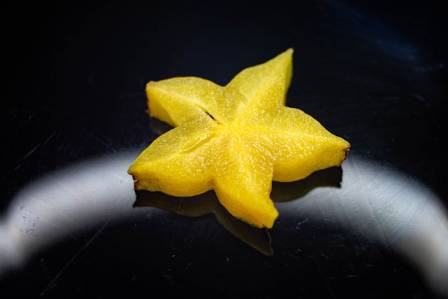
Unlocking a World of Vibrant Flavors through Uncommon Produce
AUTH: Brandon Murphy

पिज़ा टॉवर का इतिहास: कैसे एक गलती ग्लोबल आइकन बन गई
AUTH: अमन

Ten Captivating Insights into the Art of Origami
AUTH: Sophia Reynolds

Ten Shocking Facts You Never Knew About Beautiful Sheep
AUTH: Warren Stella