क्रिएटिव फ़ाइल
Unlocking a World of Vibrant Flavors through Uncommon Produce
Expanding your culinary horizons by introducing unique produce into your regular diet can be a thrilling sensory experience. Moving past standard supermarket staples reveals an extraordinary world of global cultivation, where nature offers surprising textures, unexpected health properties, and magnificent flavors waiting to be explored.
Brandon Murphy
निर्माता
फ़ाइल नोट
नीचे पूरा ट्यूटोरियल या लेख पढ़ें।
मॉड्यूल
डिजिटल कला
Expanding your culinary horizons by introducing unique produce into your regular diet can be a thrilling sensory experience. Moving past standard supermarket staples reveals an extraordinary world of global cultivation, where nature offers surprising textures, unexpected health properties, and magnificent flavors waiting to be explored.
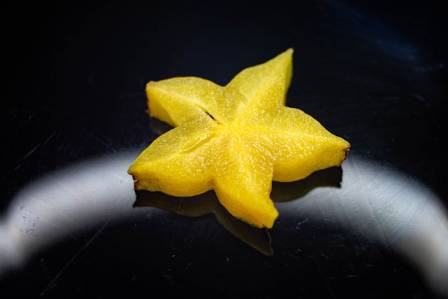
The Celestial Flavors of Star Fruit
Originating from the lush regions of Southeast Asia, the carambola is instantly recognizable by its distinct ridges that form a perfect star when sliced horizontally. This waxy-skinned specimen delivers a complex flavor profile that beautifully mimics a blend of crisp apples, tart citrus, and sweet plums. As it matures to peak ripeness, its exterior shifts to a beautiful golden yellow hue.
Nutritionally, it is an excellent choice for health-conscious individuals, providing less than forty calories per serving while packing an impressive amount of dietary fiber and vital vitamin C. Preparing it requires minimal effort since the entire fruit, including the skin and tiny seeds, can be consumed directly after washing. It makes an excellent, eye-catching addition to fresh green salads or works beautifully as an elegant garnish for various dishes.
Important Health Note: Individuals suffering from renal complications should strictly avoid this option, as it contains high levels of oxalic acid which can promote the development of kidney stones.
Nutritional Power from the Amazonian Acai Berry
Grown atop towering palm trees native to the deep rainforests of South America, the acai berry has captured global attention for its remarkable nutritional density. This small fruit closely mirrors the dimensions of a standard blueberry, though it features a prominent, inedible central pit that must be discarded before consumption. Connoisseurs describe its flavor as a sophisticated, earthy fusion of bittersweet chocolate and wild berries.
Because the fresh berries spoil rapidly after harvest, they are typically consumed as thick, blended breakfast bowls, frozen purees, or dried components mixed into morning grains. Like most dark-colored berries, this Amazonian staple is loaded with potent antioxidants and dietary fiber, making it a fantastic ingredient for supporting long-term physical wellness and digestive health.
How the Massive Jackfruit Mimics Savory Meat
Earning the title of the largest tree-borne fruit on earth, a single specimen of this incredible botanical wonder can reach a staggering weight of one hundred pounds. Indigenous to the Indian subcontinent, it has recently experienced a massive surge in worldwide popularity due to its unique culinary versatility.
When harvested before it fully ripens, the stringy, dense flesh possesses a remarkably neutral flavor and a texture that perfectly replicates shredded poultry or pulled pork, making it an ideal plant-based substitute for tacos and barbecued dishes. As the fruit fully matures, its profile shifts completely to a distinctly sweet dessert flavor. Beyond its structural novelty, it supplies the body with rich amounts of potassium, essential B vitamins, and vitamin C.
The Stunning Aesthetics and Gut Benefits of Dragon Fruit
Cultivated on climbing cacti indigenous to Central and South America, the pitaya features an unforgettable appearance characterized by a vibrant pink or yellow scaly outer rind. While this outer armor is entirely inedible, slicing the fruit open reveals a striking, speckled interior filled with thousands of tiny, crunchy black seeds embedded in white or magenta flesh.
The taste is remarkably delicate and refreshing, closely resembling a cross between a juicy pear and a sweet kiwi. To enjoy it, one can simply halve the fruit and scoop out the interior with a spoon, or chop it into cubes to enhance tropical mixed drinks and sweet desserts. In addition to offering an abundance of essential vitamins, minerals, and fiber, regular consumption may actively support gastrointestinal health by nourishing beneficial gut microbes.
The Remarkable Texture of Roasted Breadfruit
Serving as a foundational dietary staple across Pacific islands for millennia, this oval, football-sized produce receives its unique name from its fascinating behavior during cooking. When roasted or baked over an open flame, the internal starch transforms to take on the precise aroma, warmth, and texture of freshly baked artisanal bread.
Because it maintains a very mild, neutral taste profile, it functions beautifully as a nutritious alternative to traditional potatoes, whether it is mashed with herbs or sliced and fried into crispy wedges. This gluten-free, low-fat food source is exceptionally rich in complex carbohydrates, fiber, and potassium. When preparing this unique item at home, cutting away the stem and allowing the base to sit downwards helps safely drain the sticky, naturally occurring sap before heat is applied.
The Sweet and Vitamin Rich World of Guava
Tracing its historical ancestry back to the tropical climates of Central and South America, the guava is a wildly aromatic fruit celebrated for its intense juiciness. Its complex flavor delivers a bright balance of sweetness and acidity that many compare to a harmonious blend of ripe strawberries and garden pears.
The protective outer skin, which is entirely edible, can vary in color from pale white and soft yellow to deep pink or brilliant red. Depending on the specific variety, the interior may be completely seedless or packed with small, pale seeds that can be safely eaten. Remarkably, a single guava provides a significantly higher concentration of vitamin C than a standard orange, while also supplying vitamin A, dietary fiber, phosphorus, and potassium for refreshing fruit juices, sweet preserves, and baked goods.
Savoring the Sweet Intensity of Passion Fruit
Highly fragrant and intensely flavorful, this spherical fruit native to South America features a wrinkled exterior that ranges from deep purple to bright yellow when fully matured. Its historical name was bestowed by Spanish missionaries who discovered the plant's intricate five-petaled blossom and observed a symbolic connection to religious history.
The inner pulp yields an incredibly tropical taste that shares similarities with guava, offering a concentrated burst of sweet and tart notes. Despite containing less than twenty calories per fruit, it serves as a highly concentrated source of dietary fiber and potassium. Enjoying it is as simple as cutting the firm rind in half and scooping out the gelatinous, seed-filled interior, which can be eaten whole or strained into a smooth liquid for tropical sauces and refreshing drinks.
Navigating the Polarizing Fragrance of Durian
Widely celebrated throughout Southeast Asia as the undisputed monarch of the orchard, this massive, thorn-covered specimen can grow to a substantial weight of nearly eighteen pounds. It remains one of the most deeply polarizing foods on the planet, frequently inspiring intense devotion or immediate aversion.
This intense divide stems from its highly pungent, sulfurous aroma, contrasted against an incredibly rich, decadent interior that boasts the texture and flavor of sweet, almond-infused custard. From a nutritional standpoint, the fruit is incredibly dense, delivering substantial amounts of iron, folic acid, vitamin C, and potassium, though it carries a much higher caloric profile than typical fruits, averaging over three hundred calories per cup. It can be thoroughly enjoyed raw or incorporated into sweet treats like specialty ice creams.
The Striking Appearance of the Horned Melon
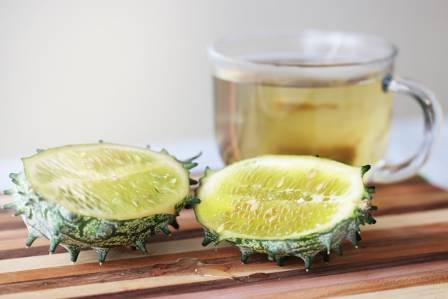
Hailing originally from the African continent, this visually captivating botanical specimen belongs to the same plant family as standard cucumbers. The exterior is defined by a bright orange, spike-covered skin that guards a remarkably vibrant, emerald-green, jelly-like interior.
When consuming this unique item, the soft, pale seeds embedded within the translucent gel are eaten entirely. Its flavor is remarkably subtle and thirst-quenchingly refreshing, frequently described as a mild blend of traditional cucumber and tart lime with a delicate hint of sweet banana. It integrates beautifully when tossed into fresh green salads, stirred directly into plain yogurt, or blended into morning smoothies. Furthermore, it remains very low in overall calories while supplying the body with critical antioxidants like vitamin A.
Unlocking the Rare Sweetness of Mangosteen
Hailing from the humid tropical regions of Southeast Asia, this specialized fruit is roughly the size of a tangerine and is highly prized for its exquisite flavor profile. Encased within a thick, rigid, dark purple rind lies an incredibly delicate, segmented white flesh that dissolves on the tongue, offering a complex taste that hints at ripe peaches and sweet bananas.
While it can be processed into specialty juices and gourmet jams, it is arguably best enjoyed completely fresh. Beyond its culinary appeal, the mangosteen is an exceptionally rich source of xanthones, a unique class of naturally occurring plant compounds and antioxidants that are widely studied for their potent anti-inflammatory properties.
Harvesting the Surprising Flavors of Prickly Pear
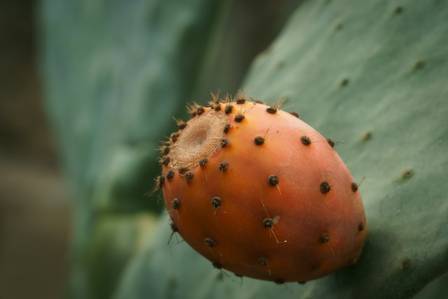
Despite its common name, this intriguing food source is not a true pear at all, but rather the edible product of a cactus variety native to the Americas. It offers dual culinary uses, as both the flat green cactus pads and the oval-shaped fruits can be prepared and eaten.
The fruit itself delivers a wonderfully sweet, refreshing taste that closely mirrors the flavor profile of a crisp watermelon. It serves as an excellent source of essential calcium and vital antioxidants, particularly vitamin C. While many commercial distributors carefully remove the microscopic thorns before shipping, utilizing protective gloves during the peeling process at home ensures absolute safety. The sweet flesh can be enjoyed raw or transformed into vibrant desert jellies, artisanal candies, and sweet drink syrups.
संबंधित फ़ाइलें

शीर्ष 6: क्लासिक कूप
AUTH: पार्थ

कबूतरों के बारे में तथ्य
AUTH: अनुपमा

How High Rise Forests Can Beautifully Transform Urban Existence and Elevate Human Happiness
AUTH: Orion Beaumont

दुनिया के सबसे खूबसूरत रेगिस्तान
AUTH: इशान

रात के आसमान में देखने के लिए 7 सबसे बेहतरीन, सबसे खूबसूरत आकाशगंगाएँ
AUTH: दिशा

The 5 Best States for Pickleball (with Honorable Mention)
AUTH: Ava Mitchell