क्रिएटिव फ़ाइल
The Enduring History and Construction of the Golden Gate Bridge
The narrative of the Golden Gate Bridge spans as many years as the landmark is iconic. Understanding the backstory of this famous San Francisco structure involves examining the early inhabitants of the region, the complexities of its construction, and the milestones that defined its existence. Roughly eighteen millennia ago, the current bay area was a meadow feeding into the ocean, eventually transformed by glacial melt. Today, the strait is a global symbol of engineering marvel, connecting counties and serving as a testament to human ingenuity.
Adrian Valemont
निर्माता
फ़ाइल नोट
नीचे पूरा ट्यूटोरियल या लेख पढ़ें।
मॉड्यूल
डिजिटल कला
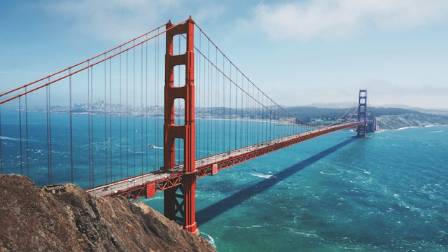
The narrative of the Golden Gate Bridge spans as many years as the landmark is iconic. Understanding the backstory of this famous San Francisco structure involves examining the early inhabitants of the region, the complexities of its construction, and the milestones that defined its existence. Roughly eighteen millennia ago, the current bay area was a meadow feeding into the ocean, eventually transformed by glacial melt. Today, the strait is a global symbol of engineering marvel, connecting counties and serving as a testament to human ingenuity.
Origins of the Golden Gate Strait
The geography occupied by the bridge was once the traditional domain of the Yelamu tribe, part of the Ramaytush Ohlone peoples. Archeological evidence from nearby fields confirms that these early inhabitants utilized the local resources for survival. By seventeen seventy-six, explorers reached the region and established a defensive settlement to secure the bay and support the nearby mission. Following the independence of the territory from European rule, the location served as a regional outpost. During the mid-nineteenth century, federal forces began utilizing the area as a military post, a function that lasted for over a century. Eventually, the site gained prestige as the host of an international exposition, cementing its importance before plans for a massive suspension bridge emerged in the nineteen-twenties.
Designing an Engineering Marvel
Conceptions of a bridge across the strait date back to the nineteenth century, but serious exploration of the idea began in nineteen nineteen. City officials commissioned engineering studies to determine the viability of such a span. By nineteen thirty, design plans for a bridge stretching over one mile in length gained approval. Architect Irving Morrow is responsible for the aesthetic identity of the structure, including its distinctive international orange hue, chosen for its visibility amidst the coastal fog. The primary engineering design was the result of a collaboration between several prominent engineers who navigated various public debates and design revisions until work officially started in nineteen thirty-three. A festive ceremony marked the beginning of this era, featuring parades and symbolic releases to broadcast the project across the region.
Construction and Human Cost
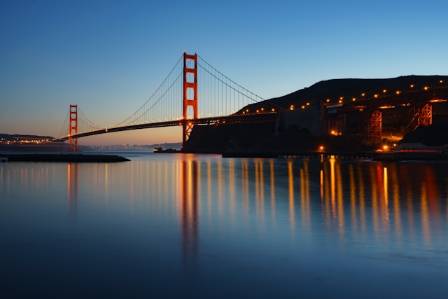
The construction phase spanned four years, concluding in the spring of nineteen thirty-seven. This massive undertaking required the creation of concrete piers in the bay, the erection of towering supports, the installation of cables, and the attachment of roadway segments. Safety was a significant concern throughout the process, yet the work remained dangerous. Several fatal accidents occurred, claiming the lives of dedicated workers. By the time of its completion, the project cost roughly thirty-five million dollars. Upon opening, it stood as the tallest and longest suspension bridge in existence. Presidential intervention formally opened the span to the world, initiating a new era of connectivity.
Celebrations of an Iconic Span
Completing the span was a momentous achievement, celebrated by elected officials and residents alike. Before allowing vehicular access, the bridge hosted a day dedicated entirely to pedestrians. Tens of thousands of people flocked to the site to cross the structure on foot. Decades later, the fiftieth anniversary celebration drew an unexpectedly massive crowd, with hundreds of thousands of people walking across the roadway. The weight of the visitors caused the bridge to flex, though engineering inspections confirmed the structure suffered no lasting damage from the event.
Milestones in Bridge History
Over the course of nine decades, the bridge has accumulated numerous notable moments. These include the passage of the billionth vehicle in nineteen eighty-five and the peak traffic volume experienced following a major regional earthquake in nineteen eighty-nine. The bridge has also received significant honors, including recognition by professional engineering societies as a wonder of civil engineering. Beyond these accolades, the span has adapted to changing times. Electronic toll collection replaced human-manned booths, and new safety barriers were installed to prevent traffic incidents, ensuring the structure remains a functional and safe icon for future generations.
Visiting the Historic Landmark
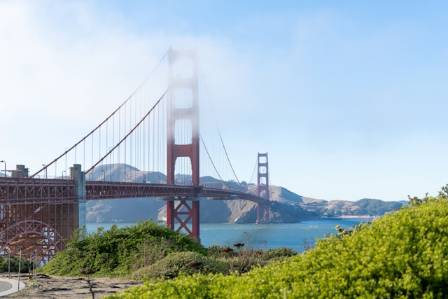
Exploring the region around the bridge offers a wealth of opportunities for those seeking a memorable experience. The surrounding parklands provide access to trails, historic sites, and scenic viewpoints without the need for expensive admission. Visitors can enjoy the natural landscape, view the bridge from various overlooks, or take advantage of public transportation hubs to traverse the area. Whether one chooses to bicycle through the park or simply walk the paths to capture photographs of the iconic span, the location remains a premier destination for those interested in history and engineering.
संबंधित फ़ाइलें

निषिद्ध शहर यात्रा गाइड
AUTH: शेखर

मोबाइल फोन ने हमारे जीवन को कैसे बदल दिया है
AUTH: मारिका एरेनक्रोन

Blue Holes: The Ancient Underwater Sinkholes of the Sea
AUTH: Iris Cooper

पालतू बिल्ली का इतिहास
AUTH: शिवानी

Coordinating Your Handbag with Your Wardrobe: A Color Styling Guide
AUTH: Edmund Faraday

पहाड़ों में सुरक्षित और आरामदायक यात्रा के लिए ज़रूरी सुझाव
AUTH: चिराग