← मुख्य पन्ना3 मिनट का पाठ
क्रिएटिव फ़ाइल
6 Surprising Health Benefits of Walking Through a Forest
Recent studies suggest that even a short walk through the forest can significantly reduce anxiety and improve overall well-being.
L
Lily
निर्माता
फ़ाइल नोट
नीचे पूरा ट्यूटोरियल या लेख पढ़ें।
मॉड्यूल
डिजिटल कला
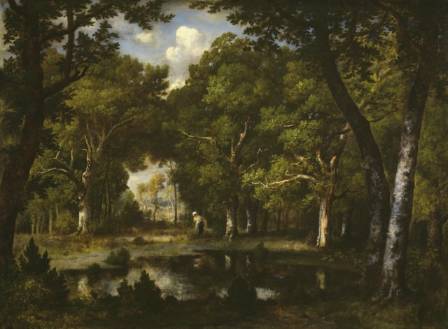
Recent studies suggest that even a short walk through the forest can significantly reduce anxiety and improve overall well-being.
Walking in a forest, with its natural aromas of pine trees, soft moss, and the sound of birds in the trees, offers more than just a peaceful escape. It has become clear that walking in nature has profound benefits for both the body and mind. Inspired by the Japanese practice of "shinrin-yoku" or "forest bathing," the concept of forest therapy has grown in popularity as a therapeutic activity aimed at improving health and mood.
Research over the past decade indicates that spending time in a forest can reduce stress, lower levels of the stress hormone cortisol, and even enhance the immune system. A recent study published in the International Journal of Environmental Research and Public Health showed that just 15 minutes of walking in a forest environment can positively affect mood, reduce anxiety, and alleviate stress. In a study involving 60 participants, one group walked in a city, while the other walked in a forest. Those who walked in the forest reported feeling much more relaxed and experienced fewer negative emotions.
This body of research continues to expand, showing that forest therapy offers an evidence-based way to relieve stress and anxiety. Below are six key health benefits that forest therapy can provide:
1. Reduced Anxiety and Negative Emotions
A study measuring anxiety using the State–Trait Anxiety Inventory (STAI) found that people who walked in the forest experienced significantly lower anxiety levels compared to those in urban settings. Additionally, those who walked through the forest reported fewer negative emotions such as tension, anger, fatigue, and confusion.
2. Promotes Relaxation
Research on heart rate, heart rate variability, and blood pressure revealed that forest therapy triggers the body’s "relaxation response," activating the parasympathetic nervous system. This leads to a sense of calm and relaxation, helping the body recover from the stresses of daily life.
3. Potential Antidepressant Effects
Studies have shown that spending time in the forest may have antidepressant effects. Forest therapy combines the calming power of nature with physical exercise, both of which have been shown to reduce symptoms of depression. Some studies have even found positive effects on children’s mood and mental health.
4. A 15-Minute Walk Can Improve Your State of Mind
One of the most compelling findings is that you don’t need to spend hours walking in a forest to experience its benefits. Research indicates that a brief 15-minute walk in a natural environment can significantly improve both mental and physical well-being, providing a quick way to reduce stress and calm the mind.
5. Boosted Immune System with Long-Lasting Benefits
Spending time in nature may also enhance the body’s immune response. Studies have found that forest walks can increase "natural killer" cell activity, which plays a key role in protecting the body from illness. These immune-boosting effects can last for over a month.

6. Increased Antioxidants
Some studies have measured antioxidant levels in the blood after forest bathing and found that these levels increase significantly. Antioxidants help protect the body from oxidative stress and support overall health.
Overall, science continues to affirm that forest therapy offers a range of healing benefits, from reducing anxiety to boosting immunity and improving mental health. Whether it's a brief stroll or a longer walk, spending time in nature can have lasting positive effects on both mind and body.
संबंधित फ़ाइलें

// en
How Intelligent Robots Master Complex Manufacturing Without Perfect Factory Conditions
AUTH: Nathan Cooper

// en
The Enigmatic Seahorse: 10 Astonishing Truths from SEA LIFE Melbourne
AUTH: Elijah Miller

// en
Coastal Majesty
AUTH: Rowan Sinclair

// hi
गमले में लगे ऑर्किड की देखभाल कैसे करें
AUTH: अर्जुन

// hi
20 अद्भुत थाई फल
AUTH: माया

// en
Convallaria majalis: From Woodland Plant to Garden Favorite
AUTH: Sydney Clark