क्रिएटिव फ़ाइल
12 Famous Night Paintings and Why They Succeed
Night scenes have long captivated artists, offering opportunities to explore light, shadow, and atmosphere. The following examples highlight some of the most renowned nocturnal paintings and the techniques that make them effective.
Cressida Hawthorne
निर्माता
फ़ाइल नोट
नीचे पूरा ट्यूटोरियल या लेख पढ़ें।
मॉड्यूल
डिजिटल कला
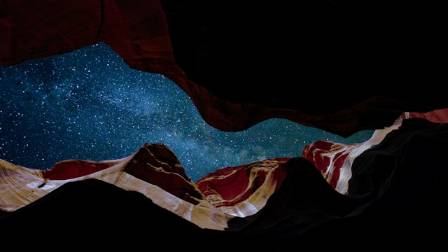
Night scenes have long captivated artists, offering opportunities to explore light, shadow, and atmosphere. The following examples highlight some of the most renowned nocturnal paintings and the techniques that make them effective.
Aert van der Neer, Moonlit Landscape With Bridge
This painting beautifully captures moonlight, contrasting brilliant highlights with deep blacks. The moon softly illuminates foreground objects, while its reflection in the water is framed by the bridge’s arch. Observant viewers can notice figures walking along the path, suggesting a quiet night stroll.
Aert van der Neer, Night Landscape With a River
In this work, van der Neer uses a richer palette of blues and muted yellows. The sky conveys movement and drama, while the foreground is busy with trees, reflective water, and grazing cows. Light guides the viewer’s attention, demonstrating its narrative power.
Vincent van Gogh, Starry Night Over the Rhône
Van Gogh approached night painting through emotion rather than strict observation. He avoided blacks and grays, favoring vibrant blues and yellows. The result is a dynamic, dreamlike depiction of stars over the Rhône, expressing wonder and introspection.
Lesser Ury, In Front of the Cafe (Berlin at Night)
Ury’s street-lit night scenes highlight the contrast between the bright café interior and the dark, ambiguous street. Warm, inviting café lights stand out against the surrounding shadows, demonstrating the dramatic effects of color contrast.
John Atkinson Grimshaw, Nightfall on the Thames
This painting conveys calm and stillness. The quiet waters and absence of people evoke the serenity of an early evening by the river. Light subtly enhances mood, emphasizing tranquility.
John Atkinson Grimshaw, Evening on the Pier
Grimshaw uses color to organize the scene: pale green light radiates from above, while warm orange tones illuminate the bustling street. Silhouetted figures, carriages, boats, and buildings provide visual balance and depth.
Jean-François Millet, Starry Night
Millet emphasizes the night sky by rendering the foreground nearly invisible. Shooting stars punctuate the heavens, offering a contemplative focus. This interpretation contrasts with Van Gogh’s more expressive starry scenes, illustrating how the same subject can inspire vastly different artistic approaches.
Joseph Mallord William Turner, Fishermen at Sea
Turner intensifies contrast to heighten drama, employing chiaroscuro to focus attention on the ocean and sky. The small boat appears fragile against nature’s immense, untamed power, emphasizing the scene’s emotional impact.
Ivan Aivazovsky, Stormy Sea at Night
Aivazovsky similarly employs dramatic contrasts. Yellow moonlight illuminates the turbulent sea, defining movement and contours. Blues are subdued under the yellow glow, demonstrating how light affects perceived color.
George Inness, Watching the Sun Glow
Inness, aligned with the Tonalist movement, uses dark tones to evoke light. Shadows and muted colors create a moody atmosphere, highlighting the subtle interplay of illumination and darkness.
George Henry, River Landscape by Moonlight
Henry’s painting emphasizes vibrant purples and blues against bright yellows and oranges. The bold use of color creates a striking and memorable night scene, showing the power of well-controlled chromatic contrast.
Childe Hassam, Rainy Midnight
Hassam takes a lighter approach to night, using soft brushstrokes, muted tones, and low contrast. Streetlights enhance the surrounding darkness, creating a quiet, reflective ambiance without relying on heavy blacks.
Common Features of These Paintings
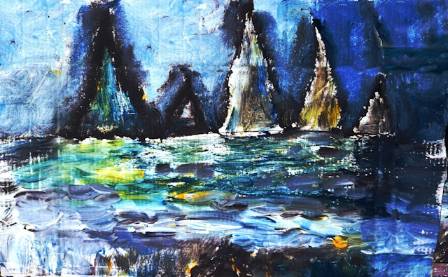
Many of these nocturnal artworks share:
-
Strong value contrasts, with bright lights against deep shadows.
-
Ambiguity in darker areas, leaving room for interpretation.
-
Predominantly muted colors, except for expressive uses by Van Gogh and Henry.
Tips for Painting Night Scenes
Night scenes are challenging due to limited visibility and subtle color shifts. Photographs rarely capture the nuances of darkness, so gather inspiration from direct observation, studies, references, and imagination. Focus on what you want to convey—moonlight, reflections, shadows, or artificial lights—and exaggerate contrast to create the illusion of illumination. The interplay of light and dark is key to a compelling night painting.
Conclusion
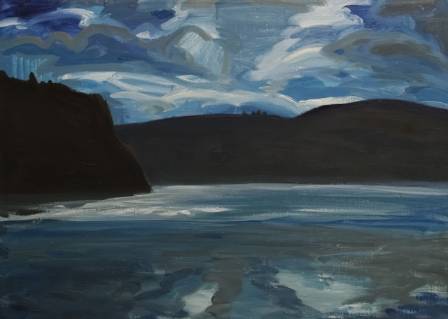
These twelve night paintings demonstrate how artists use light, color, and atmosphere to transform ordinary scenes into evocative nocturnal compositions. By studying their techniques, one can better understand how night can inspire powerful visual storytelling in art.
संबंधित फ़ाइलें

फूलों की सजावट के नियम और नीयम
AUTH: रिया

Blue Holes: The Ancient Underwater Sinkholes of the Sea
AUTH: Iris Cooper
Baisha Island - The West Coast Town in China
AUTH: Everett Kingsley
The Best Beaches for Watching Sunsets Around the World
AUTH: Violet Blake
Unlocking a World of Vibrant Flavors through Uncommon Produce
AUTH: Brandon Murphy
घर पर बीच के पत्थरों को पॉलिश करने के 5 आसान स्टेप्स
AUTH: आशा