क्रिएटिव फ़ाइल
Little known facts about giraffe in the wild
In celebration of World Giraffe Day, it is the perfect time to discover how much you really know about giraffes. Did you know that a group of giraffes is known as a “tower”? Have you ever heard that giraffes can make sounds similar to horses, cows, and even low humming noises? Do you know why World Giraffe Day is celebrated on June 21? The date is chosen because it often falls on the longest day of the year.
Steven Walker
निर्माता
फ़ाइल नोट
नीचे पूरा ट्यूटोरियल या लेख पढ़ें।
मॉड्यूल
डिजिटल कला
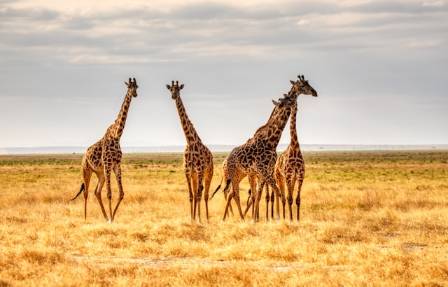
In celebration of World Giraffe Day, it is the perfect time to discover how much you really know about giraffes. Did you know that a group of giraffes is known as a “tower”? Have you ever heard that giraffes can make sounds similar to horses, cows, and even low humming noises? Do you know why World Giraffe Day is celebrated on June 21? The date is chosen because it often falls on the longest day of the year.
If some of these facts are new to you, there is no need to worry. Learning more about wildlife helps us appreciate these incredible animals. Let’s separate fact from fiction and explore some fascinating truths about giraffes.
Every Giraffe Has a Different Spot Pattern
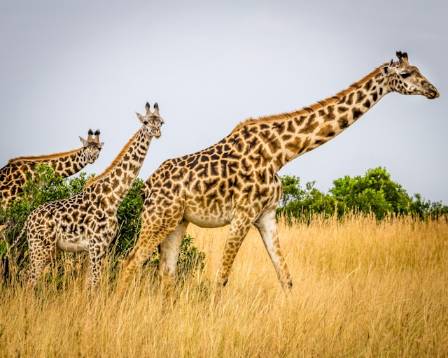
Every giraffe has its own special pattern of spots, making each individual unique. Similar to human fingerprints, no two giraffes have exactly the same markings. Their spots are not only useful for identification but also play an important role in helping regulate body temperature.
Beneath each spot is a network of blood vessels that helps release excess heat and keep the giraffe cooler in warm environments. The contrast between their brown patches and lighter fur also provides natural camouflage, helping them blend into the grasslands and savannas where they live.
Giraffes Have More Neck Bones Than Humans
Although a giraffe’s neck can stretch up to around eight feet long and weigh hundreds of pounds, it does not contain more neck bones than a human neck. Like people, giraffes have only seven cervical vertebrae.
The difference is that each vertebra is extremely large and can measure several inches in length. These extended bones create the giraffe’s famous long neck, which helps them reach leaves high above the ground, reduce competition for food with other herbivores, and watch for approaching predators.
Male giraffes also use their long necks during battles with rivals. They swing their necks against one another in a behavior called “necking” to establish dominance.
Giraffe Tongues Are Similar to Opossum Tails
Giraffe tongues and opossum tails share one interesting feature: both are prehensile, meaning they can grab and hold objects. A giraffe’s tongue is also one of the strongest and longest tongues in the animal world, reaching about 18 inches in length.
Their powerful, flexible tongues allow them to carefully pull leaves from thorny trees without injuring themselves. Their mouths are protected by thick, sticky saliva that helps shield them from sharp branches and spines while feeding.
Male and Female Giraffes Are Impossible to Tell Apart
Adult male and female giraffes can actually be distinguished by both size and appearance. Males are generally larger, reaching heights of nearly 19 feet and weighing more than 4,000 pounds. Females are smaller, usually growing to around 16 feet tall and weighing approximately 2,500 pounds.
Male giraffes also have thicker horns, called ossicones, which often have additional bumps and larger structures compared with females. Their behavior differs as well, with males usually being more solitary while females tend to form stronger social groups.
The Name “Giraffe” Came From Other Animals
The scientific name originally given to giraffes was Giraffa camelopardalis. This name came from the belief that giraffes had a body shape similar to camels and coloring that resembled leopards.
Today, scientists recognize four main giraffe species: the Northern giraffe (Giraffa camelopardalis), Reticulated giraffe (Giraffa reticulata), Southern giraffe (Giraffa giraffa), and Masai giraffe (Giraffa tippelskirchi).
Genetic research has shown that these species are quite distinct from one another, with differences comparable to those between closely related bear species.
Conservation Programs Are Helping Protect Giraffes
Many conservation organizations are working to protect giraffe populations around the world. Zoos and wildlife groups often support research projects that study giraffe numbers, genetics, habitats, and threats facing wild populations.
Through partnerships with conservation organizations, researchers conduct population surveys, support education programs, and help local communities improve giraffe protection efforts. Some projects focus on monitoring endangered giraffe populations and investigating health issues affecting these animals.
Everyone Can Help Protect Giraffes
People everywhere can contribute to giraffe conservation by supporting wildlife organizations, visiting accredited zoos, learning about giraffe protection, and sharing information with others.
Protecting giraffes requires cooperation from people around the world. By increasing awareness and supporting conservation efforts, we can help ensure these remarkable animals continue to survive for future generations.
संबंधित फ़ाइलें

11 Essential Hat Styles for Women’s Wardrobes
AUTH: Christopher Reed

गोल्फ़ - स्वास्थ्य लाभ
AUTH: रमेश

5 Health Benefits of Drinking Black Tea
AUTH: Cory

पिकलबॉल के लिए 5 सबसे अच्छे राज्य (खास तौर पर ज़िक्र के साथ)
AUTH: एवा मिशेल

Illuminating Insights: 10 Facts About Lightbulbs
AUTH: Marcus Thorne

Blue Holes: The Ancient Underwater Sinkholes of the Sea
AUTH: Iris Cooper