← मुख्य पन्ना2 मिनट का पाठ
क्रिएटिव फ़ाइल
Illuminating Insights: 10 Facts About Lightbulbs
Electric lighting has illuminated our world since the late 19th century. From the warm glow of early incandescent bulbs to the efficient beams of modern LEDs, these everyday objects have a surprisingly rich history. Here are ten fascinating facts you might not know about them.
M
Marcus Thorne
निर्माता
फ़ाइल नोट
नीचे पूरा ट्यूटोरियल या लेख पढ़ें।
मॉड्यूल
डिजिटल कला
Electric lighting has illuminated our world since the late 19th century. From the warm glow of early incandescent bulbs to the efficient beams of modern LEDs, these everyday objects have a surprisingly rich history. Here are ten fascinating facts you might not know about them.
1. A Bulb That Has Burned for Over a Century
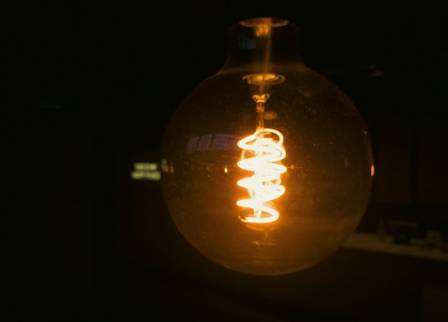
The world's longest-lasting lightbulb, known as the Centennial Light, has been shining continuously in a California fire station since 1901. This hand-blown bulb with a carbon filament now emits a dim glow comparable to a modern nightlight.
2. Your Brain's Modest Energy Appetite
The human brain operates on remarkably little power, using only about 12 watts—roughly equivalent to a fifth of the energy needed by a traditional 60-watt incandescent bulb.
3. A Towering Tribute to Light
The Edison Memorial Tower in New Jersey is capped by a fully functional lightbulb made of Pyrex glass, standing an impressive 13 feet and 8 inches tall.
4. The Animated Origin of an Idea
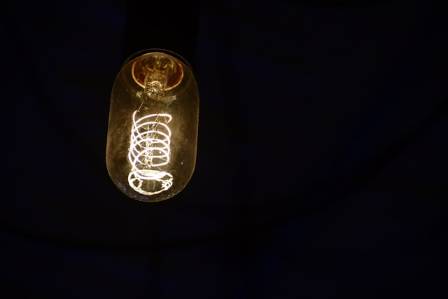
The now-universal cartoon symbol of a lightbulb appearing over someone's head to signify a bright idea originated with Felix the Cat animations from the silent film era.
5. The Fame and Controversy of Invention
While Thomas Edison is famously credited with inventing the practical incandescent bulb in 1879, several other inventors, including Joseph Swan and Warren de la Rue, created similar but less commercially viable designs earlier.
6. The Stark Efficiency Divide
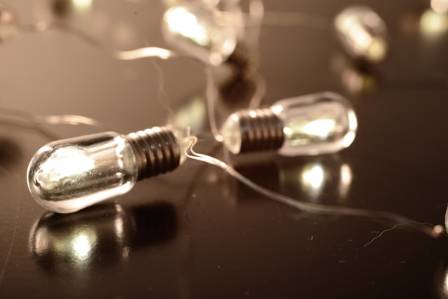
Incandescent bulbs are notoriously inefficient, converting only about 10% of energy into light while wasting the rest as heat. In contrast, modern LED bulbs achieve efficiency rates of around 80%.
7. A Quantum Leap in Lifespan
The average incandescent bulb lasts about 1,000 hours, whereas a standard LED bulb can provide light for approximately 25,000 hours—more than two decades of typical use.
8. Watts Measure Energy, Not Brightness
A common misconception is that wattage indicates brightness. In reality, it measures power consumption. Light output (lumens) is a separate metric; a 100-watt bulb consumes twice the power of a 50-watt bulb but is not twice as bright.
9. A Significant Source of Waste
Billions of lightbulbs, including LEDs and fluorescents, are discarded annually. While containing recyclable materials, the complex extraction process often makes sustainable disposal a challenge.
10. The Flicker You Might Not Notice
Incandescent and fluorescent bulbs emit a subtle flicker that can imperceptibly strain the eyes and hinder concentration. LED lights provide a much more steady and consistent stream of illumination.
संबंधित फ़ाइलें

// hi
पवन ऊर्जा चमत्कार: हमारे ग्रह के लिए 3 शक्तिशाली लाभ
AUTH: सुमन

// hi
घर पर बीच के पत्थरों को पॉलिश करने के 5 आसान स्टेप्स
AUTH: आशा
// en
The Ultimate Family Sports Cars of 2023
AUTH: Noah Greyson
// en
A Comprehensive Guide to Vibrant Home Decor: Exploring the Dynamics of Colors in Interior Design
AUTH: Ethan Ryder

// hi
10 सबसे अच्छे स्वस्थ नाश्ते के खाद्य पदार्थ
AUTH: चिराग
// hi
वर्मिलियन बर्ड की कहानी
AUTH: नंदिनी