क्रिएटिव फ़ाइल
The Story Behind the Volkswagen Beetle
The Volkswagen Beetle—often called the VW Beetle—stands as one of the most recognizable cars ever built. First developed in the 1930s by Ferdinand Porsche under the direction of Adolf Hitler, it was intended to be an affordable and dependable “people’s car,” which is exactly what “Volkswagen” means in German. The goal was simple: create a practical vehicle that everyday citizens could own, blending usefulness with a distinct personality.
Ryan Cole
निर्माता
फ़ाइल नोट
नीचे पूरा ट्यूटोरियल या लेख पढ़ें।
मॉड्यूल
डिजिटल कला
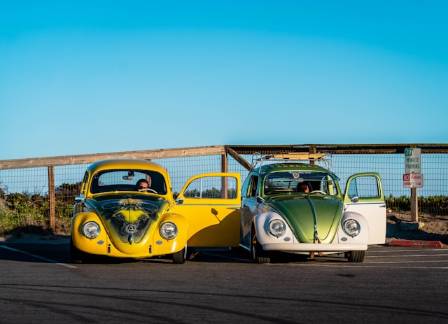
The Volkswagen Beetle—often called the VW Beetle—stands as one of the most recognizable cars ever built. First developed in the 1930s by Ferdinand Porsche under the direction of Adolf Hitler, it was intended to be an affordable and dependable “people’s car,” which is exactly what “Volkswagen” means in German. The goal was simple: create a practical vehicle that everyday citizens could own, blending usefulness with a distinct personality.
Over time, the Beetle grew far beyond its original purpose. Its unmistakable rounded shape and efficient performance helped it win over drivers worldwide, eventually making it one of the highest-selling cars in automotive history. Beyond transportation, it became deeply embedded in popular culture, influencing music, movies, and art. More than just a vehicle, the Beetle became a symbol tied to generations of memories and experiences. Exploring its history helps explain why it continues to hold such lasting appeal.
Major Milestones in the Beetle’s Evolution
The story of the Volkswagen Beetle began in the 1930s when the idea of an accessible family car took shape. By 1938, the first prototype debuted at a major auto show in Berlin, showcasing its now-famous curved body and air-cooled engine—features that would define it for decades.
After World War II, production resumed in 1945 under British supervision. During this post-war period, the Beetle became a symbol of recovery and renewal, especially across Europe. By the 1960s, it had gained massive popularity in the United States, where its quirky styling and dependability set it apart from larger domestic cars.
A significant milestone came in 1972 when the Beetle surpassed the Ford Model T as the best-selling car of all time. Production of the original design continued until 2003, with over 21 million units built. While the design evolved slightly over the years, its core identity remained intact, reinforcing its status as a timeless automotive icon.
Cultural Influence Across the Decades
The Volkswagen Beetle has had a profound cultural impact across multiple generations. Its affordability and approachable design made it accessible to a wide range of people, allowing it to cross social and economic boundaries.
In the 1960s, the Beetle became closely associated with counterculture movements. It symbolized freedom, individuality, and a rejection of convention, making it especially popular among younger generations. Its playful design and bright color options matched the spirit of the era.
Moving into the 1970s and 1980s, the car maintained its relevance, partly thanks to appearances in films like The Love Bug. It became a nostalgic symbol while still serving as a practical and reliable daily driver.
During the 1990s, Volkswagen revived the Beetle with a modern reinterpretation. This updated version appealed to a new audience while retaining the retro charm that made the original famous. In recent years, the Beetle continues to appear in media and marketing, often used to evoke familiarity and sentimentality. Its enduring presence highlights its role as more than just a car—it represents lifestyle, identity, and emotional connection.
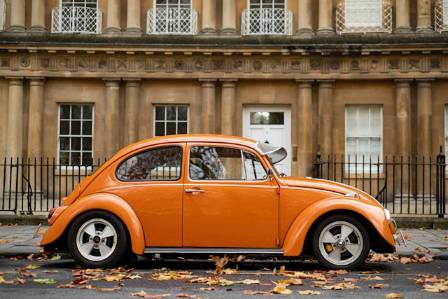
Tips for Restoring and Preserving a Classic Beetle
Maintaining a classic Volkswagen Beetle requires careful planning and attention to detail. Here are some practical guidelines:
1. Research Thoroughly
Learn about your specific model year, original features, and common issues. Historical knowledge will guide your restoration decisions.
2. Evaluate Its Condition
Inspect the body, engine, and interior carefully. Watch for rust, previous repairs, or modifications that may complicate restoration.
3. Use Authentic Parts
Whenever possible, source original components. Authentic parts help preserve both value and historical accuracy.
4. Document Disassembly
Take photos as you take the car apart. This will make reassembly much easier and more accurate.
5. Prevent and Treat Rust
Rust is a major concern for older vehicles. Address it quickly and apply protective coatings to vulnerable areas.
6. Restore the Interior Faithfully
Use materials and designs that match the original specifications to maintain authenticity.
7. Maintain Mechanical Health
Regular servicing and timely replacement of worn parts will keep the car running smoothly and reliably.
8. Join Enthusiast Communities
Connecting with other Beetle owners can provide valuable advice, resources, and support throughout the restoration process.
By following these steps, you can help ensure that your classic Beetle remains not only roadworthy but also a cherished piece of automotive heritage for years to come.
संबंधित फ़ाइलें

5 Transformative Tech Trends Shaping the Landscape of Fashion
AUTH: Elijah Finnegan

गोरी त्वचा, बड़ी आंखों और सूजे हुए होंठों पर सारा ध्यान केंद्रित करने के कारण, हम भारतीय सौंदर्य मानकों को भूल गए, जिनका हमें जश्न मनाना चाहिए।
AUTH: शेखर

The Elegant Beauty of Angelfish
AUTH: Brandon Russell

The Benefits of Building Blocks for Child Development
AUTH: Liam Bennett

पवन ऊर्जा के अद्भुत फायदे: हमारे ग्रह के लिए 3 शक्तिशाली लाभ
AUTH: प्रिया

10 Best Volleyball Games on PC
AUTH: Henry