क्रिएटिव फ़ाइल
Beautiful and Intelligent Ways to Arrange a Children Bedroom That Parents and Kids Will Both Enjoy
Designing a living space for children that satisfies both parental standards of style and a child desire for fun can be a rewarding experience. By blending creative aesthetics with practical functionality, you can easily establish an environment that handles daily activities while remaining visually pleasing. Whether you are dealing with a tight floor plan, looking for affordable modifications, or trying to accommodate multiple siblings in a single area, implementing versatile design principles ensures the room remains useful for years. The following comprehensive guide outlines excellent strategies to transform any standard youth bedroom into an efficient and magical sanctuary.
Austin Ryan Perry
निर्माता
फ़ाइल नोट
नीचे पूरा ट्यूटोरियल या लेख पढ़ें।
मॉड्यूल
डिजिटल कला
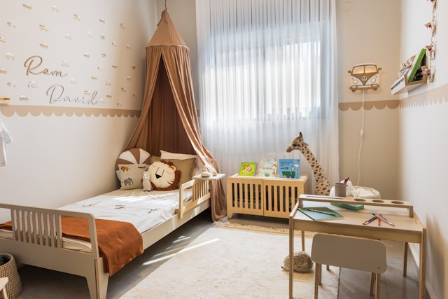
Designing a living space for children that satisfies both parental standards of style and a child desire for fun can be a rewarding experience. By blending creative aesthetics with practical functionality, you can easily establish an environment that handles daily activities while remaining visually pleasing. Whether you are dealing with a tight floor plan, looking for affordable modifications, or trying to accommodate multiple siblings in a single area, implementing versatile design principles ensures the room remains useful for years. The following comprehensive guide outlines excellent strategies to transform any standard youth bedroom into an efficient and magical sanctuary.
Practical Design Methods for Everyday Use
A successful layout begins with choosing resilient components that can withstand active daily play, such as floor coverings made from sturdy plant fibers, thick wool, or natural timber. To guard against unexpected drawings on the walls, installing easily washable wall coverings will save time and preserve the appearance of the room. It is highly beneficial to focus the decorative elements on the vertical wall spaces rather than the floor, which keeps the walking areas entirely clear and gives youth plenty of open room to move around. Achieving a proper visual balance involves using solid colors or understated patterns for the larger surfaces while integrating whimsical elements, like a unique light fixture or vibrant bedding, to add character. Adding tailored touches such as marking a child name on a small wooden stool or fabric items gives them a true sense of ownership over their environment. Utilizing bold primary colors introduces an energetic atmosphere that feels naturally youthful and welcoming. For the windows, installing long-lasting fixtures like fabric shades or thick light-blocking drapes ensures excellent privacy and light control without needing replacement as preferences mature. Finally, involving the youth in minor decorative choices fosters personal growth and teaches them responsibility as they help shape their personal domain.
Adaptable Concepts That Grow Alongside Your Child
Because young preferences shift rapidly, painting an entire room in a fleeting favorite shade is often impractical, so a better alternative is creating a small accent mural that can be effortlessly repainted later. A uniquely shaped or brightly colored bedhead can provide a playful focal point while remaining versatile enough to blend with more mature decor in the future. Introducing an indoor swinging chair adds an unexpected element of entertainment while doubling as a comfortable, quiet spot for relaxation and reading. Utilizing muted, earthy tones as the primary color foundation allows the room to remain timeless, while brighter tones can be reserved for easily replaceable accessories. Selecting a single standout item, such as a sculptural floor lamp, provides visual interest without overwhelming the overall design. By intentionally mixing youthful accents with sophisticated furniture pieces, you create a transitional environment that saves you from frequent and costly room makeovers. Even nurseries can be planned with longevity in mind by choosing adaptable wall patterns and furnishings that transition smoothly from infancy through the school years. Displaying a rotating collection of framed youth artwork on a dedicated wall allows the space to evolve continuously alongside their changing talents and interests.
Expressive Themes Designed for Unique Personalities
Tailoring an environment to reflect a child specific passions, such as musical instruments or athletics, creates a welcoming sanctuary that actively encourages self-expression. Transforming an underutilized corner into a dedicated activities hub with low bookshelves, toy bins, and a small workspace can maximize the room utility. For young adventurers, integrating maps, globes, and animal motifs stimulates curiosity about the wider world and expands their creative imagination. A mystical woodland theme can be brought to life using soft twinkling lights, small forest creature decorations, and a miniature table setup perfect for imaginative tea parties. Embracing rich textures, bold patterns, and energetic colors creates a lively setting where youth genuinely enjoy spending their time. If a fairytale aesthetic is desired, a classic fabric canopy over the bed instantly creates an elegant, magical atmosphere fit for a storybook. Incorporating an indoor slide connected to an elevated sleeping platform turns the bedroom into a private playground and makes morning routines highly exciting. Adding dimensional wall decorations, such as sculpted clouds, butterflies, or artificial greenery, further enhances the whimsical atmosphere and brings the entire room to life.
Affordable Decorating Strategies to Save Money
Transforming a space does not require a large financial investment, as removable wall stickers offer a budget-friendly way to introduce vibrant colors and patterns without the commitment of paint. Utilizing cherished family heirlooms or vintage wooden chests adds unique historical charm to the room while keeping expenses minimal. Prioritizing the actual function of the room prevents unnecessary spending on decorative items that offer no practical utility. Layering various patterns through affordable textiles keeps the visual environment stimulating for active minds without requiring expensive furniture upgrades. Elevating toys off the floor using simple wall shelves or labeled baskets keeps the area organized and preserves valuable floor space. Reupholstering worn-out seating with fresh, playful fabrics can instantly revitalize an old piece of furniture instead of discarding it. Hanging simple wooden letters that spell out a child name provides an incredibly affordable and stylish personalization project. Often, a complete room refresh can be achieved for free simply by rearranging the current layout or incorporating furniture pieces from other areas of the house.
Intelligent Storage Solutions for Small Areas
When dealing with limited square footage, thinking creatively about the room configuration can yield extraordinary results, such as replacing standard bunks with twin elevated beds that feature open play zones underneath. Selecting a platform frame with built-in storage drawers and integrated shelving maximizes efficiency while keeping the environment neat. Utilizing multifunctional furnishings, like an elevated bed combined with a slide-out study desk, serves as an all-in-one answer for compact spaces. Positioning a workspace directly beneath an elevated sleeping platform utilizes vertical room dimensions to their fullest potential. Choosing a bed frame equipped with deep under-bed drawers significantly minimizes visible clutter by providing an excellent storage spot for seasonal clothing and extra toys. Removing traditional closet doors entirely helps eliminate physical barriers, creating an open layout that makes a small room feel considerably larger. Implementing vertical storage tools, such as floating book ledges and organizers hung over the door, keeps accessories organized without consuming floor space. Whenever the home layout permits, keeping the bulk of the toys in a separate common playroom ensures the bedroom remains a peaceful, organized sleeping environment.
Cooperative Layouts for Shared Siblings
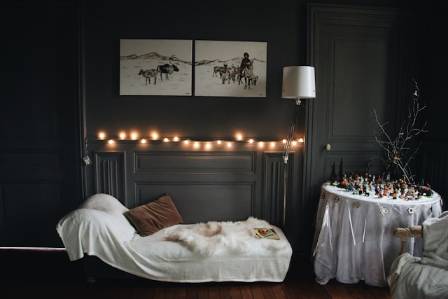
Coordinating identical twin beds creates a clean, organized appearance in a shared room, while allowing each child to select their own distinct wall art or bedding preserves their individuality. You can elevate standard shared sleeping arrangements by styling the beds to resemble a large indoor playhouse complete with fabric panels and window openings. Traditional bunk structures remain an excellent standard for saving space, though parents should expect playful debates over who claims the upper level. Tiered or stacked sleeping quarters work wonderfully in modern homes, providing separate functional zones while allowing older youth to personalize their specific levels. Utilizing strict visual symmetry in the placement of rugs, lights, and storage ensures an equal distribution of space for close-aged siblings or twins. Arranging the beds in a perpendicular fashion can help youth feel like they possess their own distinct territory within a shared room. Because shared environments naturally lack isolation, installing a simple fabric partition curtain between the sleeping areas can dramatically improve personal privacy. Alternatively, placing beds back-to-back with a shared central headboard serves as an excellent structural divider that provides much-needed personal space.
Simple Handmade Projects for a Personal Touch
Establishing a cozy reading corner with a comfortable window bench or a large fabric floor cushion encourages youth to spend more time enjoying books. Building a dedicated study workstation using basic tabletops and modular shelving provides an organized, quiet area for schoolwork as children grow older. Adding custom fabric initials to a bedhead offers an impactful yet effortless way to personalize the sleeping zone with very little assembly required. For an older youth lounge feel, installing vertical window shades and overhead track lighting creates a mature, personalized space they will love spending time in. Using colorful decorative paper tape allows you to create temporary geometric wall patterns that can be easily removed without damaging the paint. Crafting oversized decorative blocks to serve as unique nightstands or creative storage bins adds a playful, storybook charm to the room. Constructing a simple tent-style bed frame using wooden supports and durable drop cloths creates a private camping experience right inside the house. Upgrading a basic bedside table with layers of soft fabric or tulle introduces a charming touch for youth who enjoy delicate styles. Finally, wrapping an old bedhead in vintage sports jerseys or favorite old clothing items repurposes meaningful textiles into a cool focal point.
Essential Elements for a Successful Youth Space
Regardless of the chosen style or theme, every functional children bedroom requires a few fundamental elements to succeed, starting with a reliable bed, an organized clothing chest, and accessible storage bins for personal items. As youth mature, adding a dedicated desk or activity table becomes highly beneficial for school assignments and creative hobbies. For a five-year-old child, the room layout should perfectly balance practical utility with imaginative play by incorporating a quiet zone alongside pretend play features, such as a dress-up corner, a miniature kitchen, or a toy workbench. Enhancing the overall look of a room involves prioritizing efficient storage to eliminate clutter while choosing timeless furniture pieces that adapt easily to changing ages. You can easily elevate the beauty of a child room without spending any money by thoroughly decluttering the space, rearranging the existing furniture layout, and creating a beautiful gallery wall using the child own hand-drawn artwork.
संबंधित फ़ाइलें

Water Reflecting Sky in a Large Lake
AUTH: Oliver Hawthorne

5 Transformative Tech Trends Shaping the Landscape of Fashion
AUTH: Elijah Finnegan

पेस्टल रंगों से यथार्थवादी पशु फर बनाना सीखें: एक व्यापक मार्गदर्शिका
AUTH: शुभ्रांशु झिल्ला

What Does the Hermit Crab Eat?
AUTH: Julian Prescott

Eight Important Portrait Artists
AUTH: William

जीवंत शहद-नींबू वाला ग्रीष्मकालीन फलों का सलाद
AUTH: वैभव लूथरा