क्रिएटिव फ़ाइल
What Does the Hermit Crab Eat?
Hermit crabs are remarkable and gentle animals whose behavior—including what hermit crabs eat—plays an important role in shaping coastal ecosystems around the world. Their changing shells, unusual habits, and adaptable feeding patterns make them both fascinating wildlife and popular pets. However, environmental threats such as plastic pollution are increasingly putting their survival at risk.
Julian Prescott
निर्माता
फ़ाइल नोट
नीचे पूरा ट्यूटोरियल या लेख पढ़ें।
मॉड्यूल
डिजिटल कला
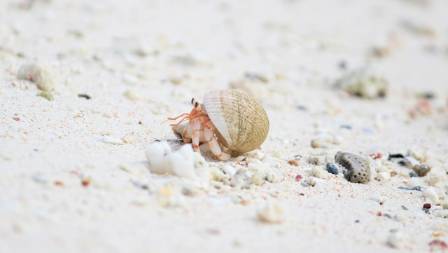
Hermit crabs are remarkable and gentle animals whose behavior—including what hermit crabs eat—plays an important role in shaping coastal ecosystems around the world. Their changing shells, unusual habits, and adaptable feeding patterns make them both fascinating wildlife and popular pets. However, environmental threats such as plastic pollution are increasingly putting their survival at risk.
In this guide from Ocean Blue, we explore the question of what hermit crabs eat, related care topics, and how human actions can help protect both hermit crabs and the oceans they depend on.
Introduction: Why Diet Matters for Hermit Crabs
Understanding what hermit crabs eat helps us appreciate their ecological role and supports their survival in nature. Hermit crabs are not true crabs; they are more closely related to lobsters and live as scavengers along coastlines across the globe.
Knowing the importance of their diet is essential because their health, growth, and even shell selection depend heavily on the availability and quality of food. Whether in captivity or in the wild, proper nutrition supports strong populations and healthy marine environments.
What Do Hermit Crabs Eat?
So, what do hermit crabs actually eat? Their answer lies in their flexible and opportunistic feeding behavior.
Hermit crabs are omnivorous scavengers. In natural environments, they consume a wide variety of materials, including:
Decomposing wood and fallen leaves
Fruits such as mango, papaya, and apple
Seaweed and algae
Dead fish, small shellfish, and plankton
Organic plant and animal debris
Worms and tiny invertebrates
Fish flakes and spirulina in captivity
Calcium sources like crushed eggshells or cuttlebone
In captivity, replicating this natural variety is essential. While commercial food exists, a more diverse diet better supports their long-term health.
Why Diet Diversity Matters
Hermit crabs thrive when their diet is varied. Their scavenging nature allows them to gain essential nutrients from multiple sources. Without dietary diversity, they may experience weakness, dull coloration, slower growth, or shortened lifespan.
A balanced intake of proteins, minerals, fiber, and vitamins ensures proper molting, shell development, and overall vitality.
Basic Daily Food Guidelines
A healthy hermit crab diet should regularly include:
Protein sources such as boiled eggs, shrimp, fish, unseasoned chicken, and unsalted nuts
Vegetables like leafy greens, carrots, corn, and sweet potato
Fruits including banana, mango, blueberry, and apple (without seeds)
Calcium from cuttlebone, oyster shells, or eggshell powder
Occasional treats such as coconut, honey, or plain oats
Natural supplements like spirulina or sea salt
Uneaten food should be removed within a day to avoid spoilage and mold growth.
Nutritional Requirements of Hermit Crabs
“Food for hermit crabs” refers to more than simple leftovers; it must be balanced and nutritionally complete, reflecting their natural habitat.
Protein supports growth and shell regeneration, coming from seafood, eggs, and lean meats.
Calcium is essential for exoskeleton strength and molting and can be provided through natural shell materials.
Fruits and vegetables supply vitamins and fiber, and should be rotated for variety.
Seaweed and algae offer trace minerals important for long-term health.
Freshwater and saltwater sources are both necessary for hydration and balance.
Homemade Hermit Crab Food
If you are wondering how to prepare hermit crab food at home, it is both simple and beneficial.
Protein mix: boiled egg combined with shrimp or fish and a pinch of spirulina
Fruit and vegetable blend: mashed banana and mango mixed with carrots, spinach, or kale, plus seaweed flakes
Calcium supplement: baked and crushed eggshell powder or a cuttlebone placed in the habitat
Important reminders include avoiding preservatives, iodine-rich salt, toxic foods such as avocado or chocolate, and ensuring all produce is pesticide-free.
Creating homemade meals improves shell strength, coloration, and overall health.
Where Hermit Crab Shells Come From
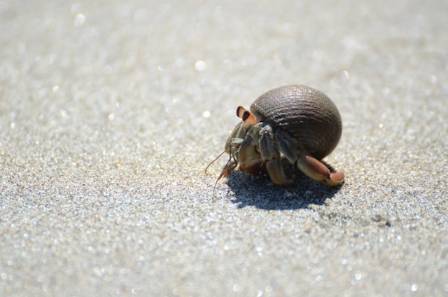
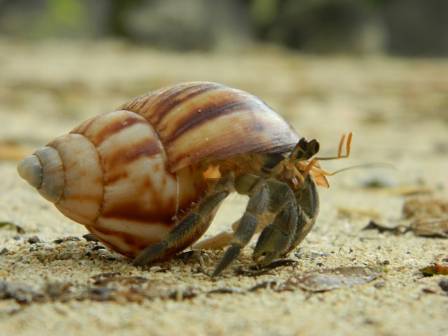
Hermit crabs cannot produce their own shells. Instead, they rely on abandoned shells left behind by sea snails and other marine mollusks. These shells protect their soft bodies from predators and environmental damage.
As hermit crabs grow, they must regularly search for larger shells. This often leads to competition when suitable shells are scarce, making shell availability a key survival factor in coastal ecosystems.
Hermit Crab Plastic Shell Problems
Plastic pollution has created a serious threat to hermit crab populations. Beaches that once provided natural shells are increasingly filled with plastic waste such as bottle caps and container fragments.
When natural shells are unavailable, hermit crabs may mistakenly use plastic objects as shelters. These “plastic shells” cause multiple problems:
Poor fit that leads to stress, dehydration, and vulnerability
Toxic exposure from chemicals in plastics
Restricted growth and physical harm
Risk of becoming trapped inside plastic pieces
This issue reflects the broader environmental impact of ocean pollution.
Why Plastic Shell Use Happens
The rise of plastic shell use is mainly due to two factors: decreasing natural shell availability and increasing ocean pollution. Overharvesting of shells by humans and habitat disruption leave hermit crabs with fewer natural options, forcing them to adapt to harmful alternatives.
Ocean Blue’s Mission and Conservation Efforts
Ocean Blue is committed to protecting marine ecosystems, keeping oceans clean, and preserving habitats for creatures like hermit crabs. Pollution directly affects what hermit crabs eat, where they live, and how they survive.
Conclusion: Protecting Hermit Crabs for the Future
Learning what hermit crabs eat reveals much more than dietary habits—it highlights their role in fragile coastal ecosystems. A varied and natural diet supports healthy growth and survival. Understanding shell sources helps ensure they continue to find safe protection in the wild. Addressing plastic pollution is essential to preventing harmful shell substitutions.
Ocean Blue encourages everyone to take action by supporting ocean cleanup efforts, reducing waste, and advocating for marine protection. Every effort contributes to a healthier environment for hermit crabs and the entire ocean ecosystem.
संबंधित फ़ाइलें
कुमुदनी का फूल अर्थ: प्रतीकवाद, रंग, और महत्व
AUTH: लक्ष्य

सीएन टावर में खास क्या है?
AUTH: यश

Fundamentals of Oil Pastel Artistry
AUTH: Theodore Montgomery
म्यूट स्वान
AUTH: अमन

The Guide to Planning Your Dream Beach Vacation
AUTH: Helena Winslet

परमेश्वर उकाब के बारे में क्या बताता है
AUTH: दीपा