क्रिएटिव फ़ाइल
Ballerina Orchids: Characteristics And Cultivation
The Oncidium orchid group includes more than 400 recognized species and is highly valued by orchid collectors for its graceful flowers and distinctive appearance. Commonly nicknamed the “dancing lady orchid” because of its flower shape, this genus is admired for its beauty, diversity, and ability to adapt to a range of growing conditions.
Ethan Johnson
निर्माता
फ़ाइल नोट
नीचे पूरा ट्यूटोरियल या लेख पढ़ें।
मॉड्यूल
डिजिटल कला
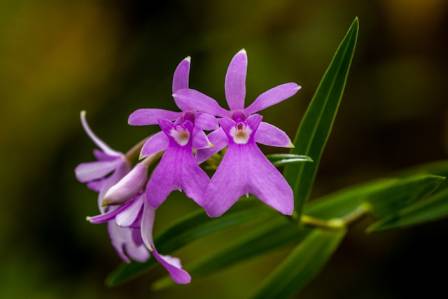
The Oncidium orchid group includes more than 400 recognized species and is highly valued by orchid collectors for its graceful flowers and distinctive appearance. Commonly nicknamed the “dancing lady orchid” because of its flower shape, this genus is admired for its beauty, diversity, and ability to adapt to a range of growing conditions.
This guide explores the background of Oncidium orchids, their key features, cultivation needs, propagation methods, and several fascinating facts that make them a favorite among orchid enthusiasts.
Meaning Behind the Name
The name Oncidium is derived from the Greek word onkos, which translates to “swelling” or “mass.” The term refers to the enlarged, fleshy lip found on many flowers within this genus.
Although the origin of the name may sound unusual, Oncidium orchids are among the most elegant and attractive orchids cultivated today.
Plant Characteristics
Oncidium orchids display remarkable variation in size, flower form, and coloration. Different species are naturally found in environments ranging from warm tropical forests to elevated mountain regions where temperatures are considerably cooler.
Some of the defining characteristics of this genus include:
Leaves
The foliage of Oncidium orchids varies by species. Many develop flat, strap-like leaves, while others produce cylindrical or fan-shaped foliage.
Flowers
The blooms appear in numerous colors, including yellow, cream, white, and occasionally pink or red shades. Petals and sepals are often narrow at the base and may feature gently wavy edges, giving the flowers a delicate appearance.
Growth Form
Many species grow as epiphytes, attaching themselves to trees in nature. They commonly develop pseudobulbs that can be flattened, oval, or cylindrical depending on the species.
Growing Requirements
Providing the proper environment is essential for healthy growth and flowering.
Airflow
Good air movement is important for preventing disease and maintaining vigorous plants. Gentle circulation around the leaves and roots is ideal.
Temperature
Temperature preferences differ among species. Some enjoy warmer conditions while others perform better in cooler environments. Always check the specific needs of the variety being grown.
Light
Oncidiums require bright conditions to flower well. However, prolonged exposure to intense direct sunlight may scorch the foliage.
Watering
Keep the growing medium evenly moist without allowing it to remain soggy. Excessive watering can lead to root damage and rot.
Fertilizing
Apply a balanced orchid fertilizer during active growth. Proper feeding supports strong foliage development and abundant flowering.
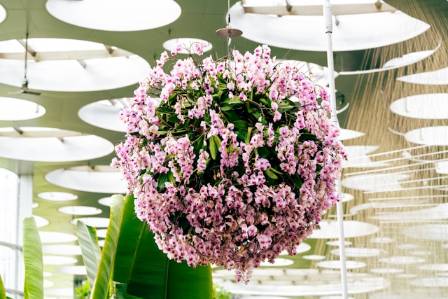
Helpful Growing Tips
Several simple practices can improve success when cultivating Oncidium orchids.
Use a fast-draining orchid mix designed for epiphytic plants.
Repot every two to three years to replace decomposed media and provide additional space if the plant has outgrown its container.
Remove spent flower spikes after blooming to encourage fresh growth and future flowering.
Interesting Facts
Oncidium orchids have a rich history in orchid cultivation.
They were among the earliest tropical epiphytic orchids introduced into European horticulture.
The genus was formally described by the Swedish botanist Olof Swartz, who documented numerous orchid species during his botanical studies.
Frequently Asked Questions
What potting medium works best for Oncidium orchids?
A well-drained orchid mix formulated for epiphytic orchids is recommended. Such mixes help prevent excessive moisture around the roots.
How often should Oncidium orchids be repotted?
Repotting is generally recommended every two to three years or whenever the plant becomes crowded and the potting medium begins to break down.
What temperatures are ideal for these orchids?
The preferred temperature range depends on the species. Researching the requirements of the specific variety is the best approach.
Can Oncidium orchids be grown indoors?
Yes. Indoor cultivation is successful when bright filtered light and proper humidity levels are provided.
How frequently should fertilizer be applied?
Regular feeding during active growth and flowering periods supports healthy plants and better blooms.
Is division a suitable propagation method?
Yes. Mature specimens can often be divided successfully, though proper technique is important to avoid damaging roots and pseudobulbs.
Which pests commonly affect Oncidium orchids?
Aphids, mealybugs, and spider mites are among the most common pests. Early detection and treatment are important for maintaining plant health.
Popular Species
Several Oncidium species are especially popular among growers.
Oncidium cactiferum
A terrestrial species recognized for its bright yellow flowers and attractive growth habit.
Oncidium fasciculatum
An epiphytic orchid that produces delicate white blooms with a pleasant fragrance.
Oncidium flexuosum
Known for its vibrant flowers and extended blooming period, making it a favorite among collectors.
Hybridization and Crossbreeding
Many Oncidium orchids can be crossed with other species to create new hybrids with unique characteristics.
Successful hybridization requires knowledge of the parent species and proper pollination techniques.
Growers should carefully evaluate new hybrids, as their growth habits and flowering performance may differ from expectations.
Propagation Techniques
Several methods can be used to multiply Oncidium orchids.
Division
Large, mature plants can be separated into smaller sections, each containing healthy roots and pseudobulbs.
Keiki Propagation
Small plantlets, known as keikis, can be removed from the parent plant and grown independently once they develop sufficient roots.
Seed Propagation
Seeds may be germinated in suitable growing media under carefully controlled conditions, though this method is more advanced and time-consuming.
Conclusion
The Oncidium genus represents one of the most diverse and fascinating groups within the orchid family. Its wide range of species, elegant flowers, and adaptability have made it a favorite among orchid enthusiasts worldwide.
By understanding their natural characteristics, environmental needs, and proper care techniques, growers can successfully cultivate healthy plants and enjoy spectacular displays of blooms year after year. Whether you are new to orchids or an experienced collector, Oncidium orchids offer beauty, variety, and endless opportunities for exploration.
संबंधित फ़ाइलें
वर्मिलियन बर्ड की कहानी
AUTH: नंदिनी

ब्रेकफ़ास्ट ब्रेड की तीन रेसिपी
AUTH: तन्वी

समुद्र के साहसी स्काउट्स
AUTH: जॉर्डन मेयर्स

नए रॉकेट्स अंतरिक्ष तक पहुंचने के लिए एक अवसर की खिड़की का प्रतिनिधित्व करते हैं
AUTH: काव्या

गोल्डन आवर्स: 7 शहर जो आकाश को मंत्रमुग्ध कर देने वाली सूर्यास्तों से रंगते हैं
AUTH: राज

Van Gogh: Starry Night
AUTH: Sydney Vale