क्रिएटिव फ़ाइल
Guide to the Black Winged Stilt Habitat and Key Facts
The black winged stilt is a fascinating bird species that captures the attention of nature lovers with its striking looks and interesting behaviors. Famous for its extremely long legs and elegant posture, this bird is a key focus of study because it lives in many places around the world and plays an important role in ecosystems. This guide explores the black winged stilt’s physical features, where it lives, how it behaves, and the efforts to protect it, providing insights into its life cycle and how it interacts with humans and other species.
Scarlett Thompson
निर्माता
फ़ाइल नोट
नीचे पूरा ट्यूटोरियल या लेख पढ़ें।
मॉड्यूल
डिजिटल कला
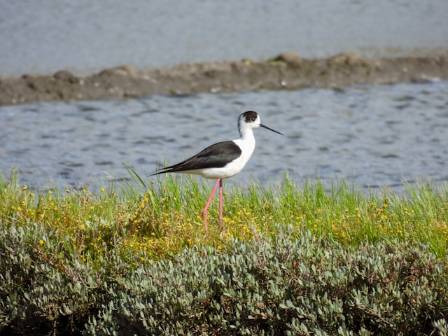
The black winged stilt is a fascinating bird species that captures the attention of nature lovers with its striking looks and interesting behaviors. Famous for its extremely long legs and elegant posture, this bird is a key focus of study because it lives in many places around the world and plays an important role in ecosystems. This guide explores the black winged stilt’s physical features, where it lives, how it behaves, and the efforts to protect it, providing insights into its life cycle and how it interacts with humans and other species.
Introduction
The black winged stilt is a captivating bird found in various regions across the globe. Its graceful body, highlighted by long, slim legs and distinct black wings, makes it easy to identify and a favorite among birdwatchers. This species is ecologically important because of its role in wetland ecosystems—it affects nutrient cycles and acts as an indicator of wetland health. With its bold black-and-white feathers and bright red eyes, the black winged stilt is not only enjoyable to watch but also essential for keeping the balance in its natural habitats. The fact that it lives in such a wide range of geographical areas shows how adaptable and resilient it is, making it a topic of interest for both conservationists and bird enthusiasts.
Physical Characteristics
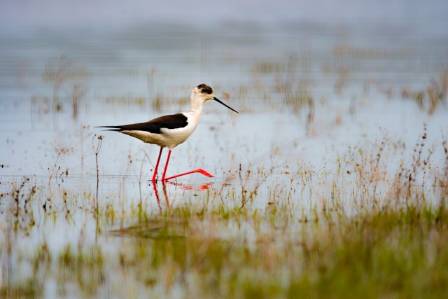
The black winged stilt has eye-catching physical features that set it apart from other bird species. Its long, thin legs are reddish, and they are specially adapted for walking in shallow water. Most of the bird’s body is white, with sharp black wings and a black patch around its eyes. While males and females share similar physical traits, males usually have slightly darker feathers on their backs. There are only small changes in plumage with the seasons, and young black winged stilts have duller colors compared to adults. Distinctive marks like the contrasting black wings and red legs are crucial for identifying the bird in the wild. People observing the black winged stilt can recognize it by its unique upright stance and gentle, slow-moving way of walking as it searches for food.
Habitat and Distribution
The black winged stilt lives in a variety of habitats, from coastal areas to inland wetlands. Its geographic range includes Europe, Africa, Asia, and parts of the Americas, and it adapts to different environments based on the seasonal availability of resources. It prefers habitats such as shallow lakes, tidal marshes, and riverbanks, where it can easily find food. Migration patterns differ among populations—some travel long distances during winter to find better feeding conditions. Range maps show that the bird is particularly common in temperate regions where wetland environments are protected and abundant. Migration usually depends on the availability of shallow water and food sources, which affects where the bird’s populations are found.
Behavior and Ecology
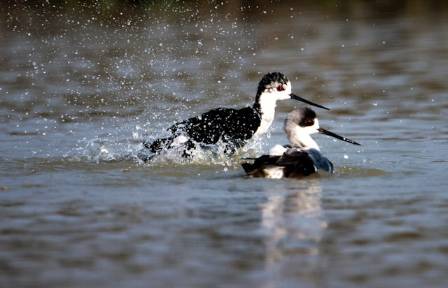
The black winged stilt is known for its interesting behaviors and ecological interactions. Its daily activities mainly involve searching for food and grooming itself, with the most activity happening in the early morning and late afternoon. Socially, it forms loose groups during breeding seasons, while at other times it forages alone. The bird’s vocalizations include a series of loud, high-pitched alarm calls that it uses to warn others of threats and communicate with its mate. When flying, it shows graceful patterns with steady wing beats and occasional gliding. It establishes territories based on the availability of resources, and its home range often overlaps with that of other wading birds. Its interactions with other species include competing for food and sharing habitats, which plays a key role in the dynamics of the ecosystem.
In terms of seasonal behavior, during spring, the black winged stilt focuses on breeding and courtship activities, as well as building nests. In summer, its main tasks are raising chicks and increasing its foraging efforts to meet the needs of the young. When autumn arrives, the bird begins migrating and works to re-establish its territories in new areas. During winter, it continues foraging and may migrate to warmer regions to survive the colder weather.
Diet and Feeding
The black winged stilt’s diet mainly consists of aquatic insects, crustaceans, and small fish. Its feeding method involves walking through shallow water and dipping its head into the water to catch prey using its long bill. When hunting, it is patient while searching for food, making quick grabs at prey that is on or near the water’s surface. The bird’s diet changes with the seasons because of the varying availability of prey—during migration periods, it often eats more crustaceans and mollusks. People watching the black winged stilt can notice its unique feeding behaviors, which include slow, careful stalking and quick probing of the water’s surface to catch food.
Reproduction and Lifecycle
The breeding seasons of the black winged stilt vary depending on where it lives geographically, with peaks in spring and early summer. Its courtship behavior includes displays such as stretching its neck in a synchronized way with its mate and preening each other’s feathers. It usually builds its nests on sandy or gravelly surfaces near water, using grasses and small twigs as building materials. The eggs of the black winged stilt have a greenish tint with brown spots, and each clutch typically has three to four eggs. The incubation period lasts about 22 to 25 days, and after hatching, the chicks develop quickly. Both the male and female black winged stilt take part in intense parental care, feeding and protecting the chicks until they are ready to fly on their own (fledge).
Conservation and Human Relations
According to the IUCN, the black winged stilt currently has a conservation status of “Least Concern.” However, some populations are experiencing a decline due to habitat loss. Threats to the species include the draining of wetlands, pollution, and climate change, these factors counteract the stable population levels seen in protected areas. Conservation efforts for the black winged stilt include restoring its habitat and providing legal protection in important breeding regions. Human interactions with the bird often happen through birdwatching, which helps raise awareness and gain support for conservation initiatives. For people who enjoy birdwatching in their backyards, creating shallow water features can attract these birds during their migratory stopovers.
Practical Observer's Guide
Best observation times: The best times to see the black winged stilt are early morning or late afternoon, when the bird is most active.
Recommended locations: Wetlands with shallow water are ideal spots to observe this species, as these are its preferred habitats for foraging and breeding.
Photography tips: To take good photos of the black winged stilt, use a long lens to capture details from a distance, and always keep a respectful distance to avoid disturbing the bird.
Ethical viewing guidelines: It is important to avoid disturbing the bird’s nesting sites, as this can disrupt breeding and harm the chicks.
Common mistakes to avoid: One common mistake is misidentifying the black winged stilt with similar bird species, so it’s helpful to familiarize yourself with its distinctive features (like red legs and black wings) before observing.
Conclusion
The black winged stilt is an amazing species that showcases the beauty and complexity of wetland ecosystems. With its wide distribution and unique features, it is not only a species to admire but also an important ecological indicator, its presence and health reflect the condition of the wetlands it inhabits. Conservation efforts remain vital to ensuring the continued stability of its populations, reminding us all to appreciate and protect the habitats that the black winged stilt and many other species depend on. For those who want to learn more about this bird, exploring resources from ornithological societies and wetland conservation groups is a great way to deepen their knowledge and support conservation work.
संबंधित फ़ाइलें
6 Surprising Health Benefits of Walking Through a Forest
AUTH: Lily

पहाड़ों को काटकर बनाई गई 10 शानदार पुरानी इमारतें
AUTH: उषा

10 प्रेरणादायक महिलाएं जो दुनिया बदल रही हैं
AUTH: हेमंत

सिडनी हार्बर ब्रिज
AUTH: वाणी

The Ultimate Family Sports Cars of 2023
AUTH: Noah Greyson

How to Choose the Perfect Wood Picture Frame
AUTH: Daniel Barrett