क्रिएटिव फ़ाइल
California's Pacific Coast Highway
This breathtaking road trip along California’s central coastline offers one of the most unforgettable driving experiences in the United States. Stretching approximately 123 miles (198 kilometers), the winding route follows dramatic cliffs, ocean overlooks, and rugged landscapes. At a relaxed pace, the journey takes about five hours to complete.
Aurelia Fontaine
निर्माता
फ़ाइल नोट
नीचे पूरा ट्यूटोरियल या लेख पढ़ें।
मॉड्यूल
डिजिटल कला
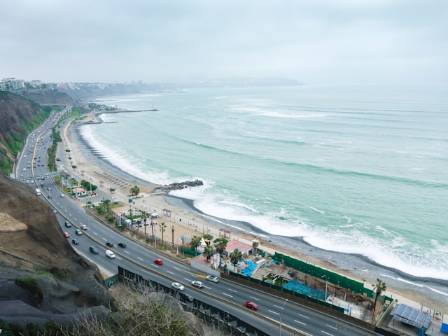
This breathtaking road trip along California’s central coastline offers one of the most unforgettable driving experiences in the United States. Stretching approximately 123 miles (198 kilometers), the winding route follows dramatic cliffs, ocean overlooks, and rugged landscapes. At a relaxed pace, the journey takes about five hours to complete.
Recognized as an All-American Road, one of the nation’s most scenic driving routes, this adventure combines the Big Sur Coast Highway with the San Luis Obispo North Coast Byway.
The route begins in historic Monterey, continues through the artistic village of Carmel-by-the-Sea, crosses the legendary Big Sur coastline where mountains meet the Pacific Ocean, and eventually reaches Morro Bay after passing through rolling hills and the famous Hearst Castle area.
Drivers should remain cautious, as some sections feature narrow lanes, steep cliffs, and sharp turns. Large recreational vehicles and oversized vehicles may find certain portions of the route challenging.
Starting Point: Monterey
The journey begins in Monterey, where California Highway 1 introduces visitors to a city rich in history and coastal charm.
Monterey once served as the capital of California under Spanish, Mexican, and American governments. By the early 20th century, the city had developed into a major center for the sardine fishing industry.
Today, visitors can explore historic landmarks including the Royal Presidio Chapel, Monterey State Historic Park, the Custom House, Casa Soberanes, Larkin House, and other preserved adobe buildings.
The waterfront area remains one of the city’s most popular attractions. Fisherman’s Wharf offers seafood restaurants and ocean views, while Cannery Row, once the heart of the sardine industry, is now home to shops, restaurants, and the famous Monterey Bay Aquarium.
Carmel-by-the-Sea: A Coastal Village of Art and Beauty
After leaving Monterey, a short drive south on Highway 1 brings travelers to Carmel-by-the-Sea, an elegant seaside village known for its charming cottages, art galleries, boutique shops, restaurants, and scenic beaches.
The village is surrounded by Monterey pine trees and features a wide sandy shoreline overlooking the Pacific Ocean.
Important attractions include Mission San Carlos Borroméo del Río Carmelo, one of California’s historic Spanish missions founded by Father Junípero Serra in 1770, and Tor House, the former residence of poet Robinson Jeffers built in 1919.
Carmel River State Beach is another highlight, offering opportunities to see coastal wildlife such as pelicans and kingfishers.
Point Lobos State Natural Reserve
A short drive south of Carmel leads to Point Lobos State Natural Reserve, a spectacular coastal park covering roughly 550 acres.
The reserve features hidden coves, rocky cliffs, open meadows, tide pools, and one of the first underwater ecological reserves in the United States. Beneath the waves, underwater forests of towering kelp create a rich marine habitat.
Walking trails pass through rare Monterey cypress forests, trees that naturally grow only in this region and nearby Pebble Beach.
The area supports a wide variety of wildlife, including black-tailed deer, gray foxes, sea otters, sea lions, and hundreds of bird species. Between December and April, migrating gray whales can often be seen traveling along the coast.
Entering the Legendary Big Sur Coast
After passing through Carmel Highlands, where impressive homes sit dramatically above the ocean on granite cliffs, travelers arrive at Big Sur.
Stretching about 90 miles south toward San Simeon, Big Sur is one of California’s most iconic landscapes. Here, towering redwood forests, the rugged Santa Lucia Mountains, and powerful Pacific waves create a scene of extraordinary natural beauty.
The coastline feels wild and timeless, with enormous cliffs dropping into the ocean and waves crashing against rocky shores.
Garrapata State Park
California Highway 1, completed in 1937, climbs more than 1,000 feet above the ocean in some sections.
One of the easiest coastal access points is Garrapata State Park, located south of Carmel Highlands. The park offers scenic beaches, dramatic viewpoints, and opportunities to observe marine wildlife.
From Soberanes Point, visitors may spot sea otters protected under California law.
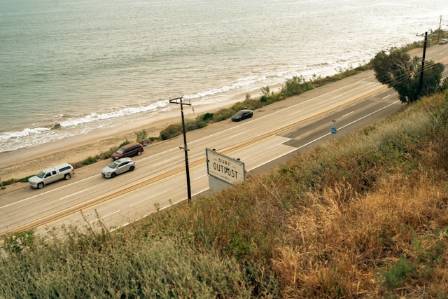
The Old Coast Road Alternative
Near Bixby Bridge, travelers have the option to leave Highway 1 and explore the historic Old Coast Road.
This approximately 11-mile route travels through quiet forests and remote canyons while offering peaceful views of the Pacific Ocean.
The road is unpaved, narrow, and winding. Conditions can become difficult or even impossible after heavy rainfall, so visitors should check conditions before attempting the drive.
Bixby Bridge and Coastal Landmarks
One of the most photographed landmarks along the route is Bixby Bridge, a magnificent concrete arch bridge standing more than 260 feet above the canyon and extending over 700 feet in length.
Viewing areas near both ends of the bridge provide excellent opportunities for photographs.
Continuing south, the highway passes Hurricane Point, known for powerful winds and expansive ocean views, before descending toward the Little Sur River.
Looking inland, travelers can see Pico Blanco, a 3,709-foot mountain recognized by its bright limestone deposits.
Near the shoreline stands Point Sur Lighthouse, a historic lighthouse built in 1889 on a volcanic rock formation.
Nearby, Andrew Molera State Park offers hiking trails through oak woodlands, redwood forests, river landscapes, and a wide coastal beach accessible only by foot.
Pfeiffer Big Sur State Park and Pfeiffer Beach
Continuing through the small community of Big Sur, visitors reach Pfeiffer Big Sur State Park.
The park covers nearly 1,000 acres and features the Big Sur River flowing through forests filled with redwoods, sycamores, and ferns.
A short drive leads to Pfeiffer Beach, famous for its unusual purple-tinted sand and dramatic rock formations. Waves rush through natural arches carved into the offshore rocks, creating one of the coast’s most memorable sights.
Nepenthe and Julia Pfeiffer Burns State Park
Further along Highway 1, visitors reach Nepenthe, a famous restaurant located high above the ocean with spectacular panoramic views.
Nearby is the Henry Miller Memorial Library, surrounded by towering redwoods and dedicated to the writer who spent many years living in Big Sur.
A short distance farther south, Julia Pfeiffer Burns State Park offers some of the most iconic scenery on the entire route.
The park includes mountain ridges, coastal forests, and protected marine areas. A short trail leads to McWay Falls, where water drops approximately 100 feet into a beautiful turquoise cove.
Lucia, Plaskett, Gorda, and Ragged Point
The southern section of Big Sur becomes even more remote, with Highway 1 continuing along steep cliffs above the Pacific.
For nearly 40 miles, only a few small communities appear, including Lucia, Plaskett, Gorda, and Ragged Point.
Beyond this section, the landscape begins changing from rugged coastline to rolling hills and open pastureland.
Travelers can also see Piedras Blancas Light Station, named by Spanish explorer Juan Rodríguez Cabrillo in 1542 because of its pale-colored rocks.
San Simeon and Hearst Castle
After leaving the dramatic coastline behind, the route arrives at San Simeon, the gateway to one of California’s most famous historic estates: Hearst Castle.
Built beginning in 1919 by newspaper publisher William Randolph Hearst, the estate sits high in the Santa Lucia Mountains.
The property covers more than 120 acres and includes a massive main residence with over 100 rooms, guest houses, gardens, pools, and artwork collected from around the world.
The architecture combines European influences, classical elements, and Mediterranean Revival design, creating one of the most unique estates in the United States.
Cambria and Coastal Villages
Continuing south, visitors reach Cambria, a charming village surrounded by hills where Monterey pines grow in sandy, nutrient-rich soil.
At Moonstone Beach, travelers can search for unique stones and enjoy peaceful ocean views.
A few miles farther lies Harmony, a small artistic community where visitors may find local craftspeople and artists at work.
Along Estero Bay, the coastal town of Cayucos preserves the atmosphere of a 19th-century seaside settlement. Its historic pier offers fishing opportunities and views of pelicans, cormorants, and other coastal birds.
Final Destination: Morro Bay
The journey concludes in Morro Bay, a picturesque harbor town recognized by its famous landmark, Morro Rock.This ancient volcanic formation, created approximately 23 million years ago, rises 576 feet above the bay and provides habitat for peregrine falcons.
Visitors can learn more about local ecosystems at the Morro Bay State Park Museum of Natural History.Around the bay, wildlife sightings may include great blue herons and, between October and March, monarch butterflies gathering in eucalyptus trees.
Travel Tips for the Pacific Coast Drive
This coastal journey can be enjoyed throughout the year, but winter travelers should be aware of possible mudslides caused by heavy rain.
Weather conditions can change quickly along the coastline, so checking forecasts before departure is recommended. Road conditions should also be confirmed before beginning the trip.
The route described here follows a north-to-south direction. Travelers driving south to north will have a slightly wider buffer between their vehicle and the dramatic ocean drop-offs, making that direction a popular choice for some visitors.
No matter which direction you choose, the Big Sur Coast Highway remains one of California’s most spectacular road adventures, combining unforgettable scenery, historic landmarks, and the raw beauty of the Pacific coastline.
संबंधित फ़ाइलें
The Best Beaches for Watching Sunsets Around the World
AUTH: Violet Blake

Step-by-Step Guide to Drawing a Vase
AUTH: Adrian Cole
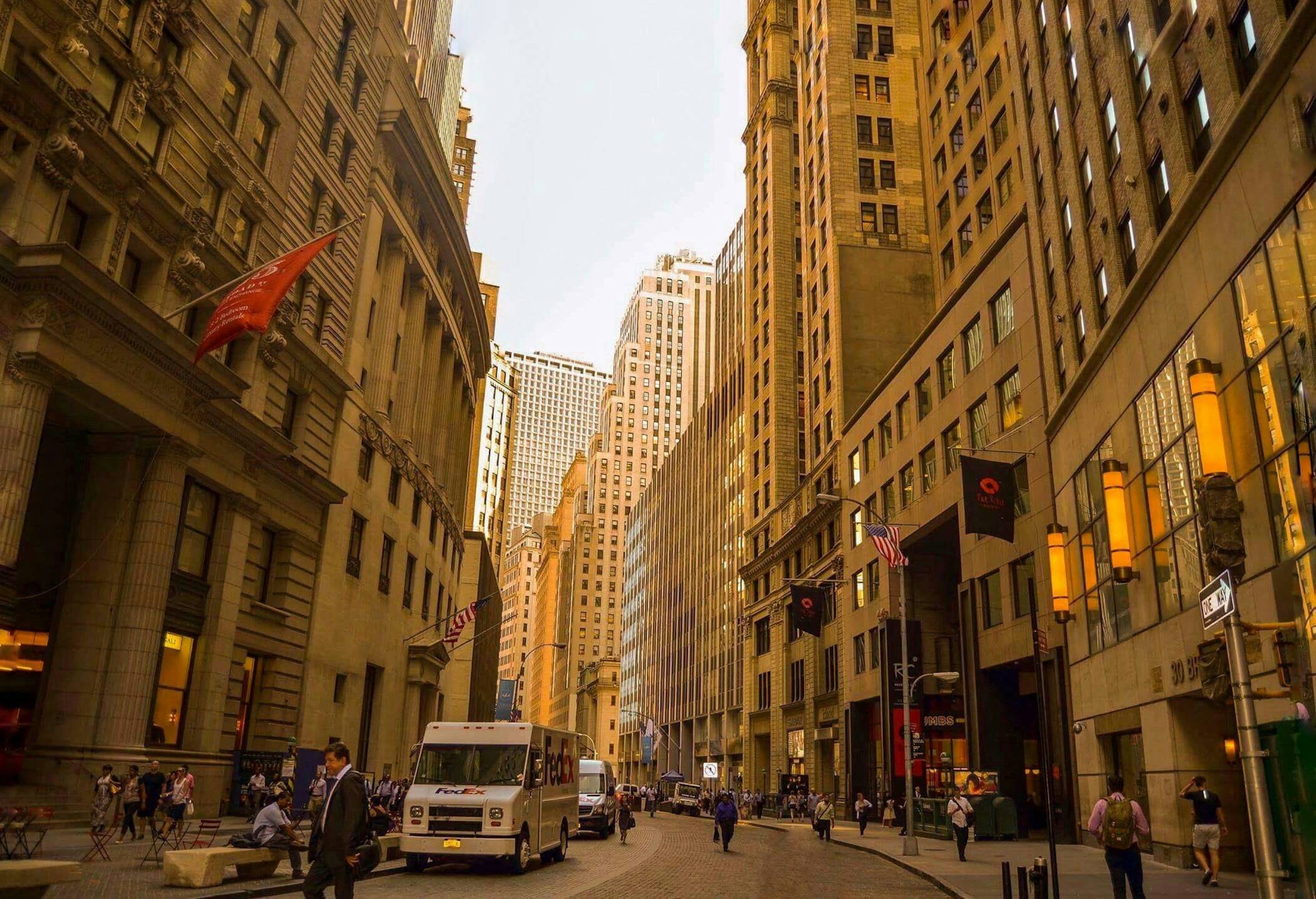
दुनिया की सबसे प्रसिद्ध सड़कें
AUTH: वीर
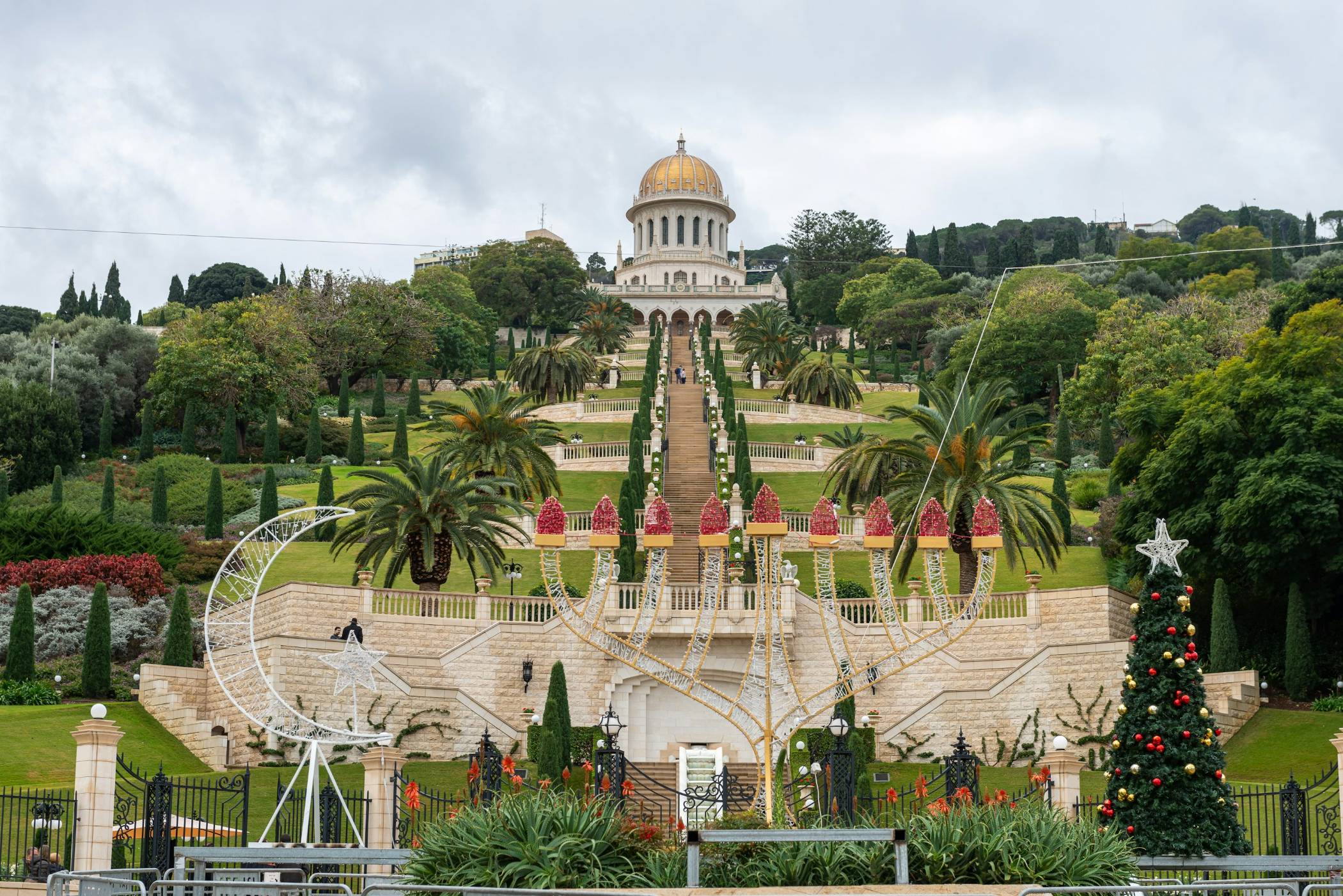
मोंटे पैलेस मदीरा गार्डन: पहाड़ों में कला और प्रकृति की दुनिया
AUTH: आरुषि
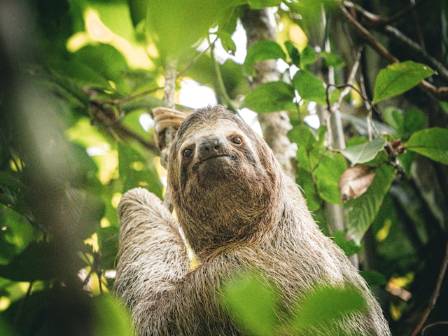
Intriguing Realities of the Three-Fingered Sloth
AUTH: Edwin Tobias Langford
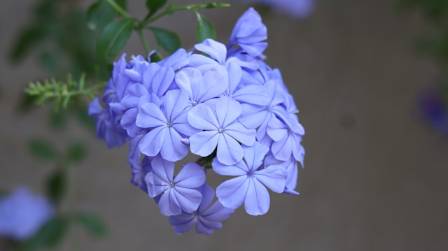
Easy Methods for Cultivating Beautiful Plumbago Shrubbery
AUTH: Timothy Patrick Lewis