← मुख्य पन्ना3 मिनट का पाठ
क्रिएटिव फ़ाइल
AI and the African Penguin Colony at De Hoop
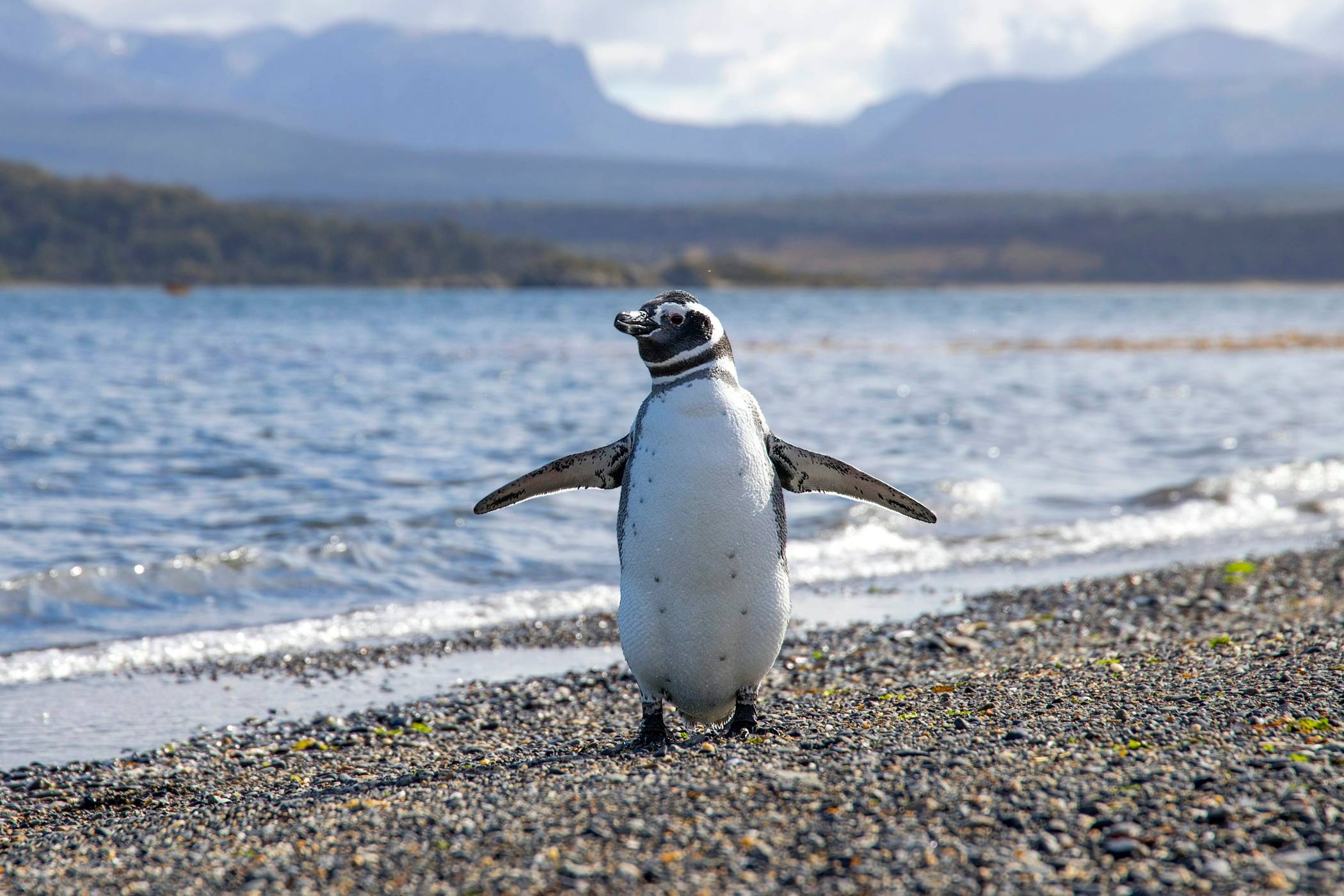
BirdLife South Africa, CapeNature, and SANCCOB have joined forces to establish a new African Penguin colony at De Hoop Nature Reserve on South Africa’s southern coast. This collaborative initiative seeks to bridge the 600 km gap between the species’ existing west and east coast colonies, creating a vital refuge for the endangered birds. As African Penguins face mounting threats to their survival, this new site is designed to enhance their chances of long-term persistence by providing a safe breeding and foraging hub.
W
William
निर्माता
फ़ाइल नोट
नीचे पूरा ट्यूटोरियल या लेख पढ़ें।
मॉड्यूल
डिजिटल कला
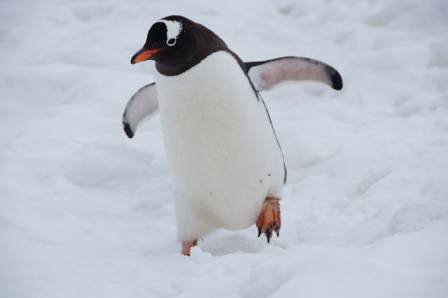
Introduction: A New Colony for Endangered African Penguins
BirdLife South Africa, CapeNature, and SANCCOB have joined forces to establish a new African Penguin colony at De Hoop Nature Reserve on South Africa’s southern coast. This collaborative initiative seeks to bridge the 600 km gap between the species’ existing west and east coast colonies, creating a vital refuge for the endangered birds. As African Penguins face mounting threats to their survival, this new site is designed to enhance their chances of long-term persistence by providing a safe breeding and foraging hub.
The Challenges Driving the De Hoop Initiative
A key challenge confronting African Penguins is the shifting distribution of their preferred prey, sardines. Climate change and intense fishing pressure on the West Coast have disrupted sardine populations, pushing them to new areas. Compounding this issue, African Penguins naturally breed exclusively on islands free from terrestrial predators—but no such islands exist near their newly shifted food sources. This disconnect between suitable breeding habitats and prey availability prompted the urgent need to establish the De Hoop colony, addressing a critical gap in the species’ ecological range.
Innovative Strategies to Establish the Colony
To lay the groundwork for the new colony, several innovative strategies have been implemented. Predator-proof fencing has been installed to shield the site from terrestrial threats, while decoys and recorded penguin calls are used to attract wild penguins to the area. Since 2021, over 200 hand-reared African Penguin chicks have been released at De Hoop as part of the project’s efforts to build a self-sustaining colony. The logic behind releasing young penguins lies in imprinting—by exposing them to the site early in life, the team aims to increase the likelihood that they will return to breed there once they reach maturity. Additionally, cameras have been deployed to monitor the colony, track breeding habits, and identify potential threats in real time.
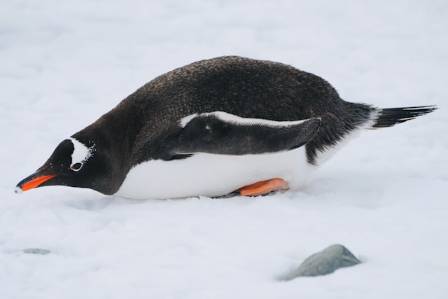
AI-Powered Protection: DeepAlert’s Role in Safeguarding Penguins
To ensure the colony’s safety and success, the project has partnered with DeepAlert, which sponsored specialized software for the site’s cameras. This technology sends real-time alerts to the conservation team whenever humans or wild animals are detected in or around the penguins’ protected area. The DeepAlert system leverages advanced computer vision and deep learning algorithms to detect and classify objects within the monitoring zone, enabling rapid responses to potential risks such as predators or unauthorized human activity. While this AI-driven tool has proven effective, the team notes that the limited number of cameras currently restricts the scope of its monitoring capabilities.
Monitoring Progress: Breeding Success and Penguin Returns
The De Hoop colony’s progress is being closely tracked, with encouraging signs of success emerging in recent years. The first successful breeding pair was observed in 2022, and by 2023, four breeding pairs had established themselves at the site. To gain insights into the movement and behavior of released penguins, the project uses microchips and RFID readers. When microchipped penguins return to the colony, the RFID system detects their presence—so far, 13 penguins released as fledglings in 2021 and 2022 have been confirmed to return. Though these birds, rescued as chicks from other colonies and hand-reared at SANCCOB, are still too young to breed (African Penguins typically start breeding at around four years old), their return signals promise for future colonization.
Bridging Gaps for Long-Term Species Resilience
At its core, the De Hoop colony project aims to boost the African Penguin’s overall resilience and secure its long-term survival by expanding its breeding range. “The creation of a new penguin colony at De Hoop Nature Reserve is crucial and will help secure the future of the African Penguin in South Africa,” stated Christina Hagen, the Pamela Isdell Fellow of Penguin Conservation at BirdLife South Africa and project leader. “With the support of DeepAlert's cutting-edge technology and the dedication of our partners, we are confident that we can effectively protect these penguins and monitor their progress as they establish a self-sustaining colony.” As the project continues, the team remains optimistic about the colony’s long-term success in strengthening the species’ survival prospects.
संबंधित फ़ाइलें

// hi
त्रि-आयामी समुद्री सीप पैटर्न वाली कलाकृति बनाना
AUTH: सोनल राजपूत

// en
Van Gogh: Starry Night
AUTH: Sydney Vale

// en
Fresh Fruit and Greek Yogurt Parfaits
AUTH: Audrey Kathleen Brooks
// en
Personality-Driven Perfumery: The Four Elements Fragrance Test
AUTH: Percival Lockwood

// hi
अंतरिक्ष अन्वेषण में रचनात्मकता: एक अंतरिक्ष यात्री का चित्र बनाने के लिए शुरुआती मार्गदर्शिका
AUTH: अजित मकवाना
// hi
दक्षिण अफ्रीका के प्रसिद्ध पेंगुइन का दौरा: फॉक्सी बीच और बोल्डर्स बीच पर रुकें
AUTH: पूजा