← मुख्य पन्ना3 मिनट का पाठ
क्रिएटिव फ़ाइल
A Dozen Depictions of Duck Discovery: Ten Unknown Realities
While ducks might not be the initial creatures that spring to mind regarding industrial farming, these perceptive and communal fowl rank as the second most frequently processed animals on the globe.
K
Katie
निर्माता
फ़ाइल नोट
नीचे पूरा ट्यूटोरियल या लेख पढ़ें।
मॉड्यूल
डिजिटल कला
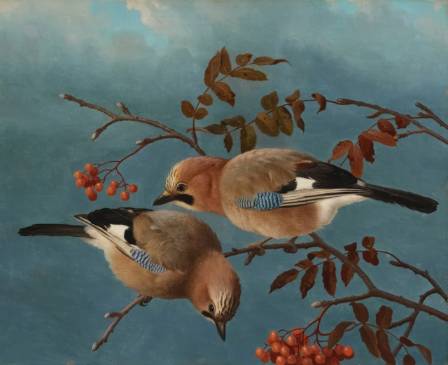
While ducks might not be the initial creatures that spring to mind regarding industrial farming, these perceptive and communal fowl rank as the second most frequently processed animals on the globe.
Actually, based on recent statistics from Faunalytics, the annual number of ducks harvested for consumption exceeds the combined totals of cattle, swine, and sheep.
These birds require your advocacy! Consequently, we have gathered several pieces of information you likely haven't heard—and ways you can support them presently.
1. Regional environments influence duck vocalizations
If you pay close attention, you will discover that duck calls vary significantly. Those inhabiting rural settings produce quieter or more elongated tones, whereas urban residents have developed louder calls to compete with city noise.
2. Ultraviolet perception is a duck superpower
Ducks perceive their surroundings in a unique spectrum that is invisible to people! Much like felines, they can detect ultraviolet rays. Additionally, they possess a nearly 360-degree panoramic view, which far exceeds the 180-degree range of a human.
3. These birds thrive in collective societies
As creatures with sophisticated social and psychological needs, ducks favor communal living in groups referred to as "waddlings" or "flocks." This collective lifestyle also serves as a defensive measure against threats.
4. Ducks establish individual companionships
Despite the safety found in numbers, ducks often develop specific, deep attachments to particular peers—essentially choosing "best friends" just as humans do!
5. Slumbering with a watchful eye is possible
A portion of a duck's brain can stay alert while the rest of the bird rests, a phenomenon known as "unihemispheric sleep." This allows them to keep a single eye open to monitor for potential hazards.
6. Cool tones like blue and green are preferred
Just as humans often have a color they find most appealing, ducks seem to have preferences as well! Investigative studies show that ducks show a marked bias toward blue or green over shades like white and red.
7. Natural longevity can reach a decade
Under normal circumstances, a duck can live for about ten years. Regretfully, within the food industry, those bred for poultry are usually processed at only 7 to 8 weeks of age—representing a mere fraction of their potential life.
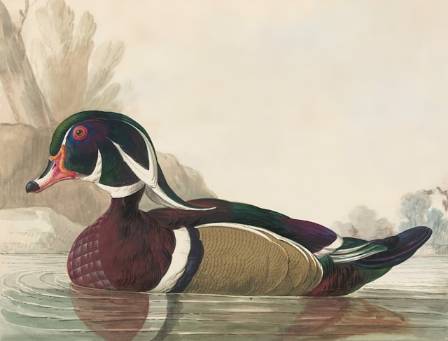
8. Annual global duck processing exceeds 4 billion
Every year, billions of these birds are raised and harvested for food worldwide (with 26 million in the United States alone). In terms of land-based animals utilized for food, their numbers are surpassed only by chickens.
9. Numerous nations and a U.S. territory have prohibited foie gras due to its inherent cruelty
Foie gras is a specialized dish created by the force-feeding of geese and ducks through tubes until their internal organs expand to ten times the standard size. Because of the suffering involved, this practice is illegal in many places, including several European territories, the state of California, and New York City.
10. You can help end the sale of foie gras in Rhode Island
Citizens in the Ocean State are standing against the extreme mistreatment involved in force-feeding birds for luxury food. Currently, 70% of Rhode Islanders favor a prohibition on foie gras. However, the state Senate has yet to vote on SB 403, the legislation that would outlaw its production and sale.
संबंधित फ़ाइलें

// en
The 10 Greatest Basketball Players of All Time
AUTH: William Price
// en
Masterpieces of Nature: The World's Most Breathtaking Landscape Paintings
AUTH: Olivia Bennett

// hi
स्मार्ट होम
AUTH: राज

// hi
पृथ्वी पर 15 सबसे रंगीन प्राकृतिक अजूबे
AUTH: नकुल
// hi
सिंगापुर को एक नए नजरिए से देखने के लिए 6 सर्वश्रेष्ठ टूर
AUTH: लता
// en
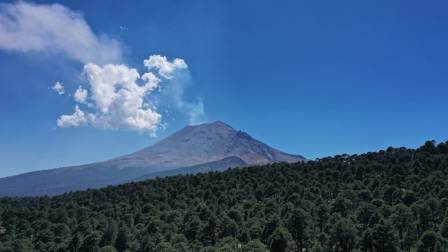
Awe-Inspiring Volcanoes That Draw Global Wanderers
AUTH: Luke