← मुख्य पन्ना3 मिनट का पाठ
क्रिएटिव फ़ाइल
Awe-Inspiring Volcanoes That Draw Global Wanderers
Whether erupting or long at rest, these majestic volcanoes captivate visitors with their raw power and mesmerizing landscapes. More than just geological features, they offer a direct glimpse into Earth’s fiery heart—and the scenery they shape is nothing short of spellbinding.
L
Luke
निर्माता
फ़ाइल नोट
नीचे पूरा ट्यूटोरियल या लेख पढ़ें।
मॉड्यूल
डिजिटल कला
Whether erupting or long at rest, these majestic volcanoes captivate visitors with their raw power and mesmerizing landscapes. More than just geological features, they offer a direct glimpse into Earth’s fiery heart—and the scenery they shape is nothing short of spellbinding.
Turning to Quora.com for insights, we asked users: Which volcanoes are the most beautiful in the world? Here's what they said.
Santorini, Greece
The Caldera That Carved a Legend
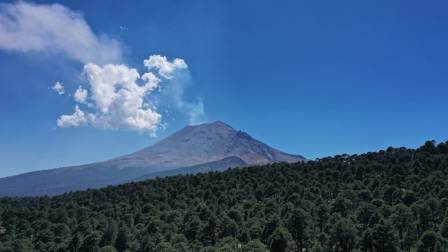
Famed for its striking whitewashed buildings hugging jagged cliffs, Santorini is a dramatic remnant of a volcanic explosion around 1600 BC—one of the largest eruptions in human history. The cataclysm reshaped the island and formed the vast caldera we see today.
Visitors flock to this Aegean jewel for the unparalleled sunset views from the caldera’s edge. “To truly appreciate its grandeur, you need to sail into the flooded crater and watch dusk fall from a cliffside terrace,” advised Achilleas Vortselas.
In the caldera's center lies Nea Kameni, a barren islet of blackened lava rock. “It may look stark and lifeless, but wandering its trails reveals scars of both ancient and modern eruptions,” noted Smitha Prasadh.
Mount Mayon, Philippines
The Perfect Cone with a Fiery Heart
Situated on Luzon island, roughly 450km southeast of Manila, Mount Mayon stands as the Philippines’ most active—and most photogenic—volcano. Its iconic cone is the result of repeated lava flows layering into near-perfect symmetry.
“The flawless curve of Mayon only amplifies its menacing presence,” said Vortselas. “It’s like a natural monument shaped by destruction.”
The 2,463m peak offers sweeping views for climbers, while history lovers can explore the nearby Cagsawa Ruins—remnants of an 18th-century church buried by a deadly 1814 eruption.
Mount Kilimanjaro & Ngorongoro Crater, Tanzania
Africa’s Fiery Past and Icy Peak
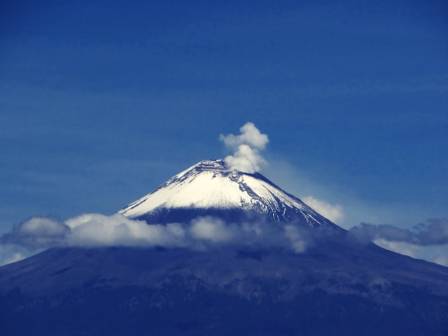
Straddling the Tanzanian-Kenyan border, Kilimanjaro towers as Africa’s highest mountain and its tallest volcano. Its three cones—Mawenzi, Shira, and the still-smoldering Kibo—give it a complex volcanic identity.
“As you ascend from tropical jungle to arctic summit, temperatures swing from scorching to sub-zero,” said Julien Vaché. “It’s a climb through climates.”
West of Kilimanjaro lies Ngorongoro, a colossal collapsed volcano that now forms the world’s largest intact caldera. With waterfalls, lakes, and abundant wildlife like flamingos, lions, and rhinos, it’s a self-contained ecosystem shaped by a cataclysmic past.
Mount Kelimutu, Indonesia
Where Crater Lakes Shift in Color and Legend
On the island of Flores, Kelimutu’s trio of lakes mesmerizes with ever-changing hues—emerald, rust red, and jet black. Scientists attribute the phenomenon to chemical reactions between volcanic gases and mineral content.
Locals offer a more spiritual explanation: the waters serve as resting places for departed souls, changing shades with the movement of spirits. “Despite the science, the mystery still lingers,” remarked Sunni Mewati.
Kilauea & Mauna Kea, Hawaii
Fire Below, Ice Above
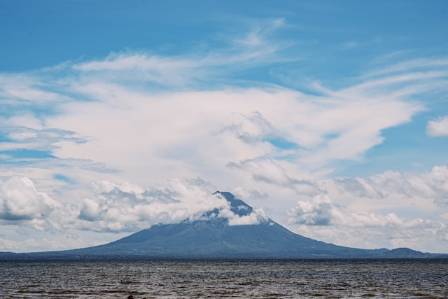
Kilauea, one of Earth’s youngest volcanoes, has been continuously erupting since 1983. Rivers of lava tumble into the Pacific, birthing surreal coastal formations and plumes of volcanic mist.
By contrast, Mauna Kea—dormant and ancient—rises over 4,200m above sea level. “Its summit holds secrets like Lake Waiau, a tiny frozen body of water nestled near the top, accessible only via a challenging hike,” said Lesly Simmons. “In winter, you might even find snow—and solitude.”
Mount Fuji, Japan
A Sacred Icon Framed in Blossoms
Mount Fuji stands as Japan’s most revered peak, its elegant cone rising above the clouds. Snow-capped and symmetrical, it’s long served as artistic muse and national symbol.
“Mount Fuji is serenity and spectacle combined,” said Vaché. At its base lies Aokigahara, a dense forest woven with eerie folklore and supernatural legends—adding mystique to the mountain’s tranquil façade.
संबंधित फ़ाइलें

// hi
फ़्लाइट आपके दिमाग़ को कैसे बुरी तरह प्रभावित करती है
AUTH: गीता

// en
Strawberry Drinks for Spring
AUTH: Ethan Carter
// en
Mute Swan (Cygnus olor): A Comprehensive Fact File
AUTH: Evelyn

// hi
10 सबसे प्रतिष्ठित मार्वल सुपरहीरो पोशाकें, रैंकिंग
AUTH: ईशान

// hi
2025 में बजट के हिसाब से सबसे हाई-टेक फीचर्स वाली कारें
AUTH: पार्थ
// hi
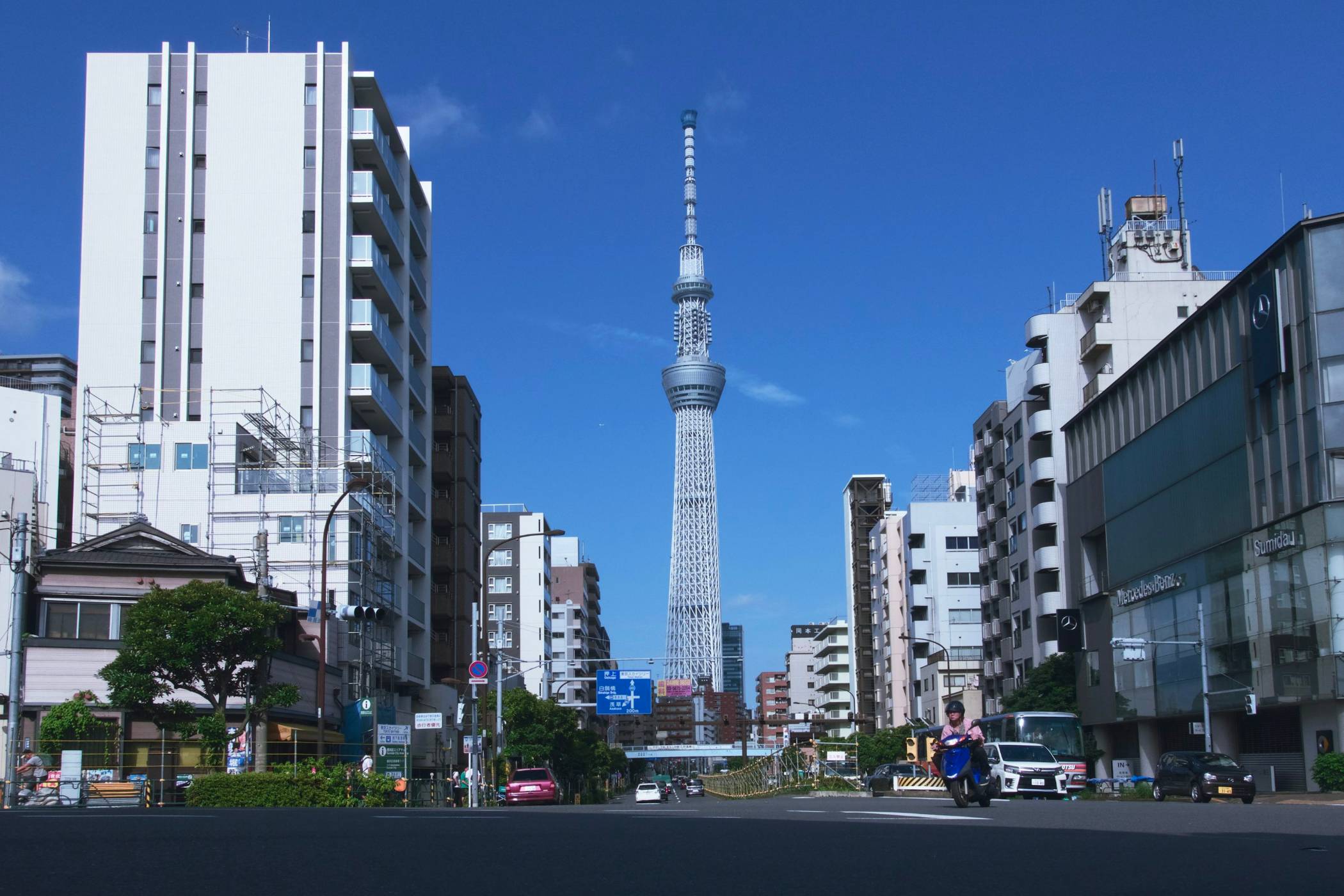
टोक्यो स्काई ट्री: दुनिया का सबसे ऊँचा टावर! टोक्यो के नए प्रतीक का आनंद लें
AUTH: कुणाल