क्रिएटिव फ़ाइल
Ways to Support Flamingo Conservation
Climate change is already here, and billions of living beings across the planet are being—and will continue to be—affected. Flamingos are no exception to these unstable conditions, and if you’re a fan of these fantastic birds, you might be wondering what steps you can take in your daily life to help protect them
Aria Foster
निर्माता
फ़ाइल नोट
नीचे पूरा ट्यूटोरियल या लेख पढ़ें।
मॉड्यूल
डिजिटल कला
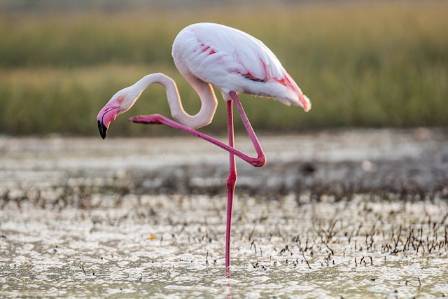
Climate change is already here, and billions of living beings across the planet are being—and will continue to be—affected. Flamingos are no exception to these unstable conditions, and if you’re a fan of these fantastic birds, you might be wondering what steps you can take in your daily life to help protect them.
First, let’s clear up any unnecessary worry: flamingos as a whole are not an endangered species. In fact, they’re far from it. The International Union for Conservation of Nature (IUCN) Red List of Threatened Species classifies flamingos overall as “Least Concern.” Around half of all flamingo species are thriving in today’s world, with stable or growing populations.
That said, a few flamingo species face more concerning outlooks. Lesser flamingos—found mostly in southern, eastern, and western Africa, as well as the Indian subcontinent—are listed as “Near Threatened” with a decreasing population. Chilean flamingos and Puna flamingos, both native to South America, share this “Near Threatened” status. The Andean flamingo is in the most vulnerable position: the IUCN classifies it as “Vulnerable,” and its numbers are also on the decline.
So, what can you do to help these beautiful birds adapt and survive? Below are practical tips to help build a positive future for flamingos.
How to Help Conserve Flamingos
Donate Money
Donating money is one of the easiest ways to make a direct, meaningful impact—and it’s probably the first idea that came to mind when you saw this article’s topic. While you might have guessed this on your own, the key is knowing which organizations to support to ensure your donation helps flamingos specifically.
The American Bird Conservancy (ABC) is one of the leading groups for bird conservation worldwide. It operates across the Americas, not just the United States which is especially useful if your goal is to help flamingos. Outside of a small population in Florida’s Everglades, wild flamingos are rare within U.S. borders. But in other parts of the Caribbean, Central America, and South America, thousands of wild flamingos live and thrive and the ABC works to protect these habitats.
The World Wildlife Fund (WWF) focuses on saving wildlife globally, and it has played a key role in protecting lesser flamingos in East Africa. According to its website, WWF-Kenya uses an “integrated approach” to address water-related challenges and protect Lake Natron—one of the most important hotspots for flamingos of all species.
There are countless other charities working to conserve flamingos, and it’s impossible to list or fully vet every one. Be careful with your donations, but don’t let caution stop you from contributing to their safety—just do so responsibly. Research an organization’s mission, track record, and how they allocate funds before giving.
If you know of a group that’s doing great work for flamingos, feel free to share it, we’d love to learn about more organizations making a difference!
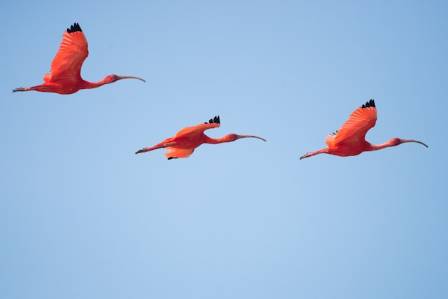
Help Make Flamingos Florida Residents
To be clear: this doesn’t mean inviting flamingos into your home or neighborhood, or artificially moving them to Florida to “reintroduce” them to the Sunshine State. Instead, the goal is to help recognize flamingos as part of Florida’s natural history which alone can do a lot to support their conservation.
In recent years, there’s been a growing push to highlight flamingos’ rich history in Florida. Zoo Miami has made it a mission to get flamingos officially recognized as a native Florida species, and earlier this year, some Florida legislators pushed again to replace the northern mockingbird with the flamingo as the state bird. This recognition matters because it would let Florida invest in safely conserving and reintroducing flamingos to their natural habitats in the state—giving the birds a stronger future in America’s deep Southeast.
If you live in Florida, you can help by writing to your state representative to voice support for flamingo conservation efforts. You can also get involved with Zoo Miami’s initiatives. Even if you don’t live in Florida, you can still reach out to Florida-based organizations, there’s often a way to contribute, whether through spreading awareness or supporting their campaigns from afar.
Go Somewhere with Flamingos & Get Involved
This is easier said than done, of course, it takes time, money, and passion—but if you have all three, working directly in flamingo habitats can be incredibly impactful. Some people choose this path intentionally, dedicating their lives to wildlife conservation. Others, like Cornell graduate Marita Davidson, stumble into it by chance.
No matter how you get there, on-the-ground help is always needed to ensure flamingos have what they need to thrive. Opportunities exist for volunteers, researchers, and conservation workers in flamingo habitats around the world—from African salt lakes to South American wetlands. If you’re eager to make a hands-on difference, look for volunteer programs, internships, or job openings with conservation organizations operating in these areas.
Support Your Zoo
Zoos do far more than just house flamingos—many are actively involved in researching and protecting these birds, and supporting your local zoo is one of the simplest, most impactful steps you can take without leaving your city.
If a zoo has flamingos, it’s likely conducting research to learn more about their behavior, diet, and breeding habits—knowledge that directly informs wild conservation efforts. Your visit (and the money you spend on tickets, food, or merchandise) provides the zoo with essential funding. Additionally, high attendance numbers help zoos qualify for grants and other funding sources, which let them expand their conservation work even further.
By supporting your zoo, you’re not just enjoying a day out, you’re contributing to a network of institutions working to keep flamingos safe.
Cool It on the Lithium
The batteries in your smartphone, laptop, and other devices are made from minerals extracted from the earth—and the process of getting these minerals is often harmful to wildlife. Lithium, a key component in many modern batteries, is sometimes mined from salt flats—habitats that flamingos once called home. Unfortunately, these salt flats are often destroyed during mining operations, displacing the birds.
To help protect flamingos and their habitats, reduce your consumption of lithium-powered electronic products. You don’t need to buy the latest smartphone, tablet, or laptop as soon as it’s released. Wait until your current device is no longer functional before upgrading, and avoid overconsuming tech.
Some companies claim to source lithium sustainably, with minimal harm to the environment. However, it’s important to verify these claims—since I can’t vet every company’s practices, I won’t list them here. Do your own research, read independent reviews, and judge for yourself whether a company’s sustainability promises are legitimate before supporting them.
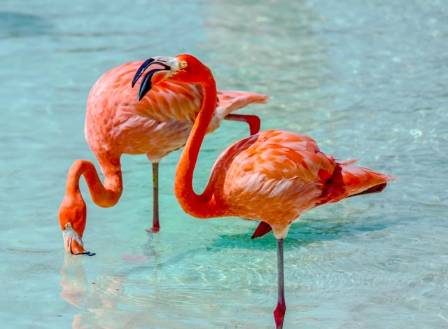
Limit Your Pollution
This is especially important if you live near wild flamingo habitats, but even if you don’t, reducing pollution is a simple way to help all wildlife including flamingos.
Pollution harms every living thing, humans included. We all rely on a healthy planet to live long, healthy lives and without it, none of us can thrive. To make a difference, take steps to keep waterways free of debris and toxic waste, avoid dumping trash or chemicals in wildlife habitats, and adopt a simpler, more sustainable lifestyle (like reducing single-use plastics or using eco-friendly cleaning products).
Everything on Earth is interconnected—humans, flamingos, and all other creatures share this planet, and we have a responsibility to care for one another. If we don’t step up to protect it, who will? By limiting your pollution, you’re not just helping flamingos, you’re helping preserve the planet for every living being.
संबंधित फ़ाइलें

निषिद्ध शहर यात्रा गाइड
AUTH: शेखर

हर बेकर के लिए आवश्यक ब्लूबेरी केक रेसिपी
AUTH: जितेंद्र राठौर

3 लोकप्रिय डोनट्स की किस्में, समझाई गई
AUTH: काश्यप

Intriguing Facts About Equines
AUTH: James Taylor

Step-by-Step Guide to Drawing a Vase
AUTH: Adrian Cole

नॉर्थ अमेरिका के 7 सबसे दूर के स्की एरिया
AUTH: दिव्या