क्रिएटिव फ़ाइल
Intriguing Facts About Equines
For millennia, horses have occupied a significant place in human history, serving as loyal companions, laborers, and high-performance athletes. While these majestic creatures are familiar to many, their biological makeup and behavioral patterns contain several surprising elements. Understanding these traits helps us appreciate the complexity of their lives and the depth of their connection to the human world.
James Taylor
निर्माता
फ़ाइल नोट
नीचे पूरा ट्यूटोरियल या लेख पढ़ें।
मॉड्यूल
डिजिटल कला

For millennia, horses have occupied a significant place in human history, serving as loyal companions, laborers, and high-performance athletes. While these majestic creatures are familiar to many, their biological makeup and behavioral patterns contain several surprising elements. Understanding these traits helps us appreciate the complexity of their lives and the depth of their connection to the human world.
Unique Biological Functions and Sensory Abilities
One of the most distinctive physical traits of a horse is that it is an obligate nasal breather. Unlike humans, who can breathe through either the mouth or the nose, horses are biologically restricted to breathing solely through their nostrils. This specialized respiratory system is a key part of their physiology as a high-endurance animal.
Furthermore, horses possess a remarkable "stay-apparatus"—a complex network of ligaments and tendons that enables them to lock their limbs in place. This allows them to sleep or rest while standing up without the risk of collapsing. By remaining upright, they conserve energy and stay prepared to flee from danger at a moment's notice. While it is a common misconception that they never lie down, they do require short periods of horizontal rest each day to achieve deep sleep, averaging about two and a half hours of total rest daily.
Their survival as a prey species is also supported by extraordinary sensory capabilities. A horse has ten muscles in each ear, compared to only three in humans, allowing them to rotate their ears nearly 180 degrees independently. This ensures they can monitor sounds from all directions without moving their heads. Additionally, their eyes are positioned on the sides of their skull, providing a nearly 360-degree field of vision. They do, however, have small blind spots directly in front of and behind them, which is why they rely on their sensitive whiskers, mobile lips, and keen sense of smell to identify objects directly under their noses.
Intelligence, Agility, and Early Development
The physical reflexes of an equine are incredibly sharp. While a human takes roughly 1.6 seconds to react to a stimulus, a horse can deliver a powerful defensive kick from a standing position in just 0.3 seconds. This speed is mirrored in their early development; foals are mobile almost immediately after birth, typically gaining the ability to walk and run within hours to ensure they can keep pace with the herd and escape predators.
Beyond their physical prowess, horses are highly intelligent and capable of complex communication. Much like domestic dogs, they respond well to positive reinforcement and clicker training. Research has demonstrated that they can even express specific needs to their caretakers. In one study, horses were trained to touch symbols on a board to indicate whether they wanted to wear a blanket or have it removed, proving they possess a high level of self-awareness and cognitive ability.
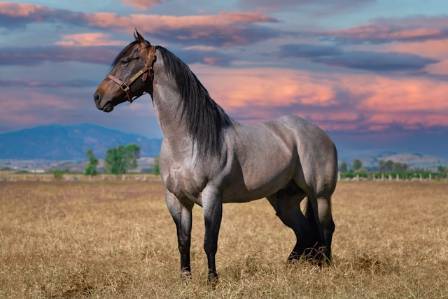
Evolution and Social Dynamics
The modern horse has a long evolutionary history, with ancestors dating back approximately 55 million years. Interestingly, the earliest equine precursors were roughly the size of a Labrador retriever. Archaeological evidence suggests that humans began domesticating these animals about 6,000 years ago. Today, this long history is reflected in a vast array of breeds, each characterized by distinct colors, patterns, and physical traits.
Socially, horses are deeply communal animals that rely on the safety of a herd. They develop profound friendships and use their keen senses to identify familiar peers. Within these groups, they practice a system of mutual protection: while most of the herd eats or rests, at least one individual typically stands guard to monitor the surroundings for potential threats. This cooperative behavior ensures the collective well-being of the group.
Modern Welfare Considerations and Standards
Maintaining the health and happiness of equines requires adhering to specific care standards. Current discussions in animal welfare emphasize the importance of providing ample indoor and outdoor space rather than vague guidelines. Experts advocate for the prohibition of restrictive tie stalls to ensure animals can move freely. Additionally, it is vital that horses have daily opportunities for social interaction and turnout, especially if they are housed indoors.
Consistent monitoring and proper nutrition are also essential. Regular check-ins—at least twice daily for those in stables—ensure any health issues are caught early. Furthermore, forage is considered a mandatory component of a horse's diet for digestive health. When it comes to identification, transitioning to less invasive methods like microchipping is preferred, and if traditional branding is used, immediate and effective pain management is a critical requirement for humane treatment.

संबंधित फ़ाइलें

Ways to Support Flamingo Conservation
AUTH: Aria Foster

हैमबर्गर के आश्चर्यजनक स्वास्थ्य लाभ
AUTH: जय

गोल्फ़ - स्वास्थ्य लाभ
AUTH: रमेश

पिकलबॉल के लिए 5 सबसे अच्छे राज्य (खास तौर पर ज़िक्र के साथ)
AUTH: एवा मिशेल

हिरण
AUTH: रणवीर

सीगल और सर्दियों की रोशनी को पकड़ना
AUTH: नीरज