क्रिएटिव फ़ाइल
The Definitive Guide to Men's T-Shirts: Style, Fit, and Fabric
While the T-shirt is a universal staple in every man's collection, achieving a truly polished aesthetic requires attention to specific technical details. This guide outlines how to select and wear this essential garment to ensure you look your best in any casual or elevated setting.
Cedric Langley
निर्माता
फ़ाइल नोट
नीचे पूरा ट्यूटोरियल या लेख पढ़ें।
मॉड्यूल
डिजिटल कला

While the T-shirt is a universal staple in every man's collection, achieving a truly polished aesthetic requires attention to specific technical details. This guide outlines how to select and wear this essential garment to ensure you look your best in any casual or elevated setting.
Fundamental Principles and Care
A common misconception is that designer labels guarantee a superior T-shirt. In reality, the difference between a budget-friendly option and a high-end luxury version often comes down to brand marketing or minor variations in fabric luxury. Construction and durability are frequently comparable; the most critical factor in how a shirt looks is always the fit, not the price tag.
To maintain the longevity of your shirts, always wash them inside-out in cold water. This practice prevents the fabric from fading and minimizes the risk of shrinkage. Avoid high-heat drying and bleach, which can degrade the fibers; air drying is the preferred method for preserving the garment's integrity over time.
The Anatomy of a Perfect T-Shirt
To understand why some shirts look better than others, you must understand the structural elements that define the garment.
The neckline, or collar, is the most prominent feature. The crewneck remains the gold standard for versatility and style, as it complements almost every facial structure. While V-necks exist, they are significantly more difficult to style effectively and are generally less recommended.
The shoulder seam is the primary indicator of a correct fit. It should sit precisely where your natural shoulder begins to slope downward. If the seam creeps toward your neck, the shirt is too small; if it hangs down your arm, it is too large. Similarly, the sleeves should terminate at the midpoint of your bicep and lightly contour your arm. Excessive slack around the bicep can make the arms appear smaller, while an overly tight sleeve can look restrictive.
The body of the shirt should offer a tailored but comfortable silhouette regardless of your physical build. A reliable test is to ensure you can pinch between one and three inches of fabric on either side of your torso. In terms of length, the hem should end near the middle of the crotch—specifically between the waistband and the point where the legs meet. Always opt for a straight hem rather than curved or elongated styles for a timeless look.

Essential Colors and Fabric Selection
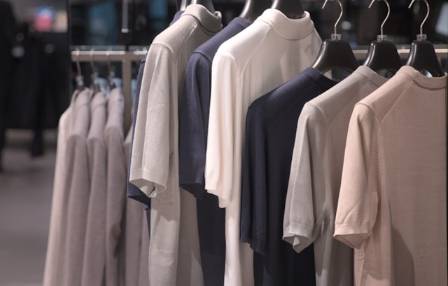
Building a versatile wardrobe starts with a foundation of neutral tones. White, navy, black, and heather gray are the most functional colors a man can own. A crisp white T-shirt is exceptionally adaptable, though it requires frequent replacement as it loses brightness over time. Darker neutrals like navy and black are excellent for layering under knitwear or jackets, while heather gray offers a classic, athletic aesthetic that pairs well with almost any trouser and shoe combination.
Fabric choice is equally important for comfort and appearance. Natural cotton or cotton-polyester blends are the preferred materials. These fibers offer breathability and a matte finish that looks sophisticated. Avoid "performance" or "tech" fabrics for everyday wear, as their shiny texture and clingy nature are generally unflattering outside of a gymnasium setting. Additionally, avoid T-shirts with large logos or graphic designs, as plain, unadorned shirts project a more mature and timeless image.
Common Style Pitfalls to Avoid
Many men undermine their appearance by making a few frequent errors in T-shirt selection. One of the most common mistakes is choosing necklines other than the crewneck. Another is wearing shirts with visible branding or artwork, which can appear as though the wearer is overcompensating or lacks a refined sense of style.
Furthermore, avoid shirts with distressed or faded finishes, as well as those with scooped or scalloped hems. These trends are often fleeting and lack the longevity of a classic, straight-hemmed cotton shirt. Finally, never treat a T-shirt as an outer layer over other clothing; it should always serve as the foundation of your outfit.
Outfit Inspiration for Every Occasion
For a standard casual look, a navy T-shirt pairs seamlessly with gray or tan chinos and white sneakers. If you prefer denim, brown chukka boots can add a rugged touch to the ensemble.
To elevate your style, try a monochrome approach. A white T-shirt layered under a dark jacket with tailored trousers creates an "elevated casual" look that works for social gatherings. For a business-casual environment, a clean, well-fitted T-shirt can even be worn under a blazer. In this scenario, ensure the shoes—such as minimalist sneakers or loafers—complement the simplicity of the shirt to maintain a cohesive and professional appearance.
संबंधित फ़ाइलें

Ten Captivating Insights into the Art of Origami
AUTH: Sophia Reynolds

पवन ऊर्जा के अद्भुत फायदे: हमारे ग्रह के लिए 3 शक्तिशाली लाभ
AUTH: प्रिया

हैमबर्गर के आश्चर्यजनक स्वास्थ्य लाभ
AUTH: जय

एक बढ़ती हुई क्रांति
AUTH: रियान
How to Create a Statement Centerpiece with a Vase: Elevate Your Home Decor with Expert Styling Tips
AUTH: Amelia Clark

9 कारण क्यों (सही मात्रा में) कॉफी आपके लिए अच्छी है
AUTH: वाणी