क्रिएटिव फ़ाइल
Ten Intriguing Realities of Semiconductor Technology
Semiconductors rank among the most significant breakthroughs in human history.
Penelope Langford
निर्माता
फ़ाइल नोट
नीचे पूरा ट्यूटोरियल या लेख पढ़ें।
मॉड्यूल
डिजिटल कला
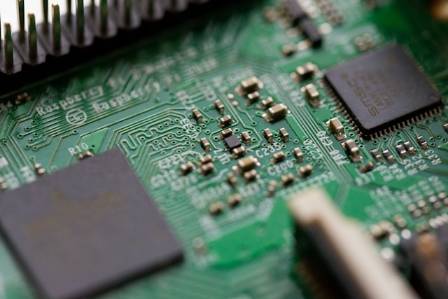
Semiconductors rank among the most significant breakthroughs in human history. They serve as the essential groundwork for modern communication, data management, and the rise of sophisticated robotics. Frequently identified as microchips or integrated circuits, these components have revolutionized diverse sectors ranging from healthcare and farming to retail and digital media. Nearly every electronic instrument used in daily life—including smartphones, wearable health monitors, household appliances, personal computers, and modern transportation systems—relies on these microscopic technical marvels. As their usage continues to expand into new fields, understanding the nature of these small yet powerful units becomes increasingly important.
The Science and Composition of Microchips
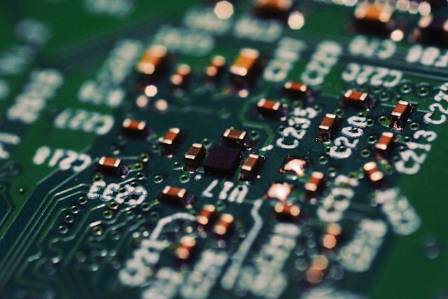
The term semiconductor refers to substances that possess electrical conductivity levels between those of high-performance conductors like metal and non-conductive insulators. A critical feature of these materials is that their ability to carry a charge can be precisely adjusted through the introduction of trace amounts of other chemical elements. These chips are incredibly intricate architectures composed of millions, or even billions, of transistors and various electronic parts linked by multiple layers of wiring. By shrinking these components and increasing their density, engineers have allowed microchips to become exponentially more capable over time.
The manufacturing process typically begins with thin discs sliced from exceptionally pure silicon blocks. Known in the industry as wafers, these substrates usually measure 300 mm in width, though smaller versions like 200 mm or 150 mm are utilized for specific needs. These wafers are processed in highly specialized plants called fabrication facilities, or "fabs." Inside, the environment is kept within strictly monitored "cleanrooms," where temperature, moisture levels, and airborne particles are meticulously regulated to prevent any flaws in the delicate hardware.
Manufacturing Complexity and Global Impact
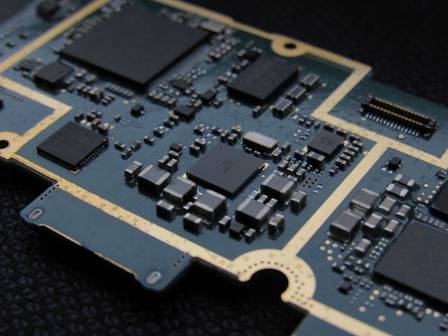
Creating a single wafer is an exhaustive endeavor that can involve up to 500 distinct stages. During this journey, various materials are added and etched away to build the required circuitry patterns. The scale of this industry is massive; for instance, annual sales have reached nearly 300 billion units, which averages out to approximately 40 individual chips for every person alive today. These components are generally divided into two main categories: logic and memory. Logic units, such as microprocessors, act as the primary "engine" for devices like laptops and phones, while memory units handle the storage of information, either through temporary systems like DRAM or permanent solutions like solid-state drives.
The variety of materials used in this field has increased significantly as technology has progressed. While the earliest versions relied on germanium, silicon quickly became the industry standard. Today, scientists are constantly testing new elements and complex compounds to push the boundaries of performance further. In the most sophisticated hardware available now, the individual features can be as small as 14 nanometers—a size thousands of times smaller than a single speck of sand. To achieve this level of precision, manufacturers utilize advanced techniques such as atomic layer deposition and atomic layer etching, which allow for the addition or removal of materials just a few atoms at a time.
संबंधित फ़ाइलें

घर पर बीच के पत्थरों को पॉलिश करने के 5 आसान स्टेप्स
AUTH: आशा

Lujiazui: The Dynamic Hub of China’s Financial Industry
AUTH: Ethan Foster

चीन के शीर्ष दस सीढ़ीनुमा खेत
AUTH: मोहिनी

नए रॉकेट्स अंतरिक्ष तक पहुंचने के लिए एक अवसर की खिड़की का प्रतिनिधित्व करते हैं
AUTH: काव्या

Unlocking a World of Vibrant Flavors through Uncommon Produce
AUTH: Brandon Murphy

5 Transformative Tech Trends Shaping the Landscape of Fashion
AUTH: Elijah Finnegan