क्रिएटिव फ़ाइल
Lavender, the Useful Plant
How often have you heard the phrase “stop and smell the roses”? The same idea can be applied to many plants, especially lavender. This charming herb invites people to slow down, appreciate nature, and enjoy its calming fragrance.
Naomi Reed
निर्माता
फ़ाइल नोट
नीचे पूरा ट्यूटोरियल या लेख पढ़ें।
मॉड्यूल
डिजिटल कला
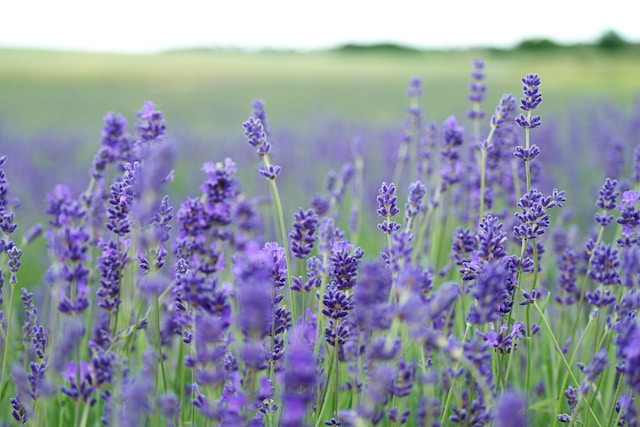
How often have you heard the phrase “stop and smell the roses”? The same idea can be applied to many plants, especially lavender. This charming herb invites people to slow down, appreciate nature, and enjoy its calming fragrance.
One of the most enjoyable areas in the University of Tennessee Gardens in Knoxville is the Herb Spiral. This unique garden feature showcases many different herbs, including beautiful lavender growing between the stones. The variety planted there is Spanish lavender (Lavandula stoechas). With its adorable “bunny ear” flower shape, this plant naturally brings a sense of happiness and attracts plenty of bees.
The Many Varieties of Lavender
Lavender belongs to the Lavandula genus, which contains about 45 species and more than 450 recognized varieties. Plant breeders continue to create new selections, offering gardeners an impressive range of choices with different flowering periods, foliage characteristics, and flower colors.
Many people are familiar with English lavender (Lavandula angustifolia), also known as common lavender or true lavender. This species includes around 39 cultivars and is highly valued for its fragrance and durability.
French lavender (Lavandula dentata), sometimes called fringed lavender, is recognized by its decorative toothed leaves. Portuguese lavender (Lavandula latifolia) produces tall flower spikes and has a strong aroma.
Another popular variety is Lavandin (Lavandula × intermedia), a hybrid created by crossing English lavender and Portuguese lavender. It combines the cold tolerance of English lavender with the heat resistance of Portuguese lavender.
Spanish lavender (Lavandula stoechas) is sometimes mistakenly called French lavender, but it is more accurately known as butterfly lavender because of its unique wing-like petals. This variety is often used in decorative arrangements and potpourri.
Lavender Comes in More Than Purple
Although lavender is often associated with shades of purple and blue, this herb actually offers a much wider color range. Depending on the variety, flowers may appear in violet-blue, soft pink, rose, white, or even yellow tones.
Many lavender cultivars perform well in Tennessee gardens, including popular choices such as ‘Provence’, ‘Hidcote’, ‘Phenomenal’, and ‘Munstead’. These varieties provide gardeners with beautiful flowers while adapting well to different growing conditions.
Lavender Has Many Practical Uses
Like many herbs, lavender is valued for both beauty and usefulness. Its pleasant fragrance, silvery foliage, and delicate blossoms make it a popular ingredient in essential oils, candles, soaps, floral waters, culinary creations, and handmade products.
For those interested in crafts, creating a lavender wand can be a rewarding project. These fragrant bundles are both decorative and practical, and many guides are available to help beginners make their own.
Lavender in Aromatherapy and Wellness
One of the most common applications of lavender is aromatherapy. Lavandula angustifolia is the preferred species for producing essential oils because of its soothing scent and traditional uses.
However, essential oils should be used carefully. Applying undiluted oil directly to the skin may cause irritation for some individuals. It is recommended to combine essential oils with a carrier oil, such as jojoba or coconut oil, before topical use. Proper dilution guidelines should always be researched before creating personal blends.
Research on Lavender and Relaxation
Scientific studies have explored lavender’s possible effects on stress, anxiety, and sleep quality.
A 2019 study examined lavender oil patches used by patients in a hematology-oncology environment. Participants wore lavender patches on their clothing during evening hours, allowing them to inhale the scent overnight. The patches were removed the following morning.
Although the study involved a small number of participants, some patients reported improved sleep and reduced anxiety while using the lavender patches. Researchers continue to investigate lavender’s potential benefits for people experiencing stress, sleep difficulties, headaches, dementia-related symptoms, and challenges associated with medical treatments.
Growing Lavender Successfully
In Tennessee, the most commonly grown lavender types are English, French, and Spanish varieties. Choosing the right type often depends on local climate conditions. English lavender generally tolerates colder temperatures better, while Spanish lavender handles heat more effectively.
Most lavender species share similar growing preferences. They grow best in areas with full sunlight and soil that drains well. A neutral to slightly alkaline soil environment is ideal.
Improving drainage is especially important, and adding sand or fine gravel can help prevent excess moisture around the roots. Lavender should not be planted too deeply. A good technique is to place the plant slightly above ground level and create a small mound around the base, allowing water to move away from the roots.
Because lavender enjoys warmth, placing small gravel or pea stones around the plant can help reflect heat upward while also creating an attractive garden appearance.
Why Lavender Deserves a Place in the Garden
Growing lavender offers many rewards. This beautiful, resilient herb provides fragrance, visual appeal, practical uses, and a connection to nature. Its popularity has even inspired lavender festivals and special garden events.
Like many herbs, lavender continues to offer new discoveries for gardeners and plant lovers. With its combination of beauty, versatility, and charm, lavender remains one of the most appreciated and useful plants to grow.
About the UT Gardens
The UT Gardens feature plant collections located in Knoxville, Crossville, and Jackson. Recognized as Tennessee’s official botanical garden, these gardens are part of the University of Tennessee Institute of Agriculture.
Their mission is to encourage appreciation, education, and responsible care of plants through garden displays, educational activities, and research programs. The gardens welcome visitors throughout the year and are open to the public free of charge.
संबंधित फ़ाइलें

How to Serve Raw Oysters at Home
AUTH: Christopher Kingsley

Celebrate the Season with 19 Essential Strawberry Desserts
AUTH: Bryce Wellington

पिज़ा टॉवर का इतिहास: कैसे एक गलती ग्लोबल आइकन बन गई
AUTH: अमन

James Martin Swiss Roll
AUTH: Hannah Richardson

सिंगापुर को एक नए नजरिए से देखने के लिए 6 सर्वश्रेष्ठ टूर
AUTH: लता

Top 10 Iconic Luxury Watches Every Enthusiast Must Experience
AUTH: Robert Moore