क्रिएटिव फ़ाइल
How to Serve Raw Oysters at Home
Oysters on the half shell are my default choice whenever I’m hosting a dinner or cocktail gathering because they instantly set the tone. They’re bright, lightly sweet, briny, and pair beautifully with sparkling drinks. Even better, they require almost no cooking or complicated prep.
Christopher Kingsley
निर्माता
फ़ाइल नोट
नीचे पूरा ट्यूटोरियल या लेख पढ़ें।
मॉड्यूल
डिजिटल कला
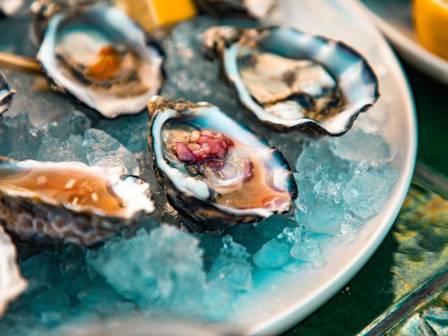
Oysters on the half shell are my default choice whenever I’m hosting a dinner or cocktail gathering because they instantly set the tone. They’re bright, lightly sweet, briny, and pair beautifully with sparkling drinks. Even better, they require almost no cooking or complicated prep.
When I first started hosting in my early adult years, I went overboard making elaborate appetizers that ended up filling everyone before the main meal. Over time, I realized a simpler approach works better: a bit of good cheese, some cured meats, and a tray of oysters. Add lemon, a quick sauce, and shucking becomes the main task.
Shucking oysters also changes the energy of a gathering. It naturally keeps people entertained elsewhere while you work, and somehow guests always offer to bring you a drink when they see what you’re doing. If you’re looking for a reason to learn oyster prep, that alone is a decent one.
I first got serious about oysters while working in a restaurant kitchen. One of our weekly specials involved shucking hundreds of oysters in a single night, which quickly built both speed and familiarity. That experience shaped how I approach oysters today at home.
Serving raw oysters may look intimidating, but once you understand the basics of storage, cleaning, and presentation, it becomes very manageable. The process is more about care and timing than complexity.
How to Keep Oysters Fresh
When you bring oysters home, it’s important to remember they’re still alive and need proper care until serving. The most important rule is temperature control: keep them cold at all times.
If you’re buying them in person, make it your final stop before heading home so they stay chilled during transport. If you order them online, remove them from packaging once they arrive and check for any identification tags that indicate harvest details. These tags are often used for food safety tracking and can be useful to keep for reference.
Before refrigerating, inspect the oysters carefully. Discard any that are already open, damaged, or smell off. Fresh oysters should smell like clean seawater.
For storage, spread them in a single layer on a tray with the rounded side facing down. Place them between slightly damp kitchen towels. This keeps moisture balanced while preventing them from sitting in fresh water, which can be harmful to them.
If space is limited, you can store them in a bowl covered with a damp cloth. Keep them in the coldest part of the refrigerator, ideally on a shelf rather than a drawer. Properly stored, fresh oysters can last several days, though fresher is always better.
Cleaning Before Shucking
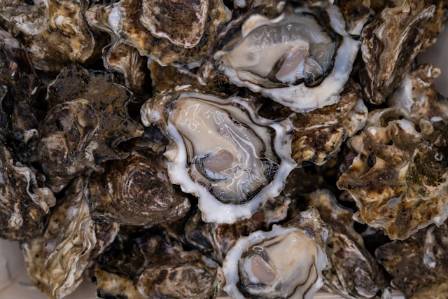
Before opening oysters, they should be cleaned to remove sand, dirt, and shell debris. I usually do this right after bringing them home so everything is ready later.
Start by placing them in a colander under cold running water. This prevents them from sitting in freshwater while being washed. Use a firm brush or scouring pad to scrub each shell individually.
Focus especially on the hinge area and the edges where the shells meet, since that’s where dirt tends to collect. They don’t need to be spotless, just clean enough to avoid grit in the final dish.
Work efficiently so the oysters stay cold. If you have a large batch, clean them in smaller groups and return them to the fridge between rounds.
Once cleaned, return them to a tray lined with damp towels until you’re ready to open them.
Simple Garnishes That Matter
I prefer a minimalist approach when serving raw oysters because the flavor is already excellent on its own. A squeeze of lemon is usually enough to highlight their natural brininess. Occasionally, I’ll add a small spoon of shallot vinegar mixture for variety.
Keeping garnishes simple doesn’t mean being careless. In fact, when there are fewer elements on the plate, execution matters even more. Every detail stands out, including the quality of the shucking and the freshness of the oyster.
The goal is to enhance, not overpower, the oyster’s natural flavor.
Making a Classic Shallot Vinegar Sauce
A traditional shallot vinegar condiment is often served with oysters. It combines finely chopped shallots, vinegar, and cracked pepper to add brightness and contrast.
The key is how finely the shallots are cut. They should be diced into very small, even pieces rather than roughly chopped. This prevents overpowering sharpness and creates a smoother texture.
Once chopped, the shallots are soaked in vinegar, which softens their intensity and lightly pickles them. A mild white wine vinegar works best, since stronger types can overwhelm the flavor.
Cracked black pepper is added at the end. Instead of grinding it into a powder, it’s better to lightly crush the peppercorns so they release aroma without becoming bitter or muddy in taste.
After mixing everything, let the sauce rest briefly so the flavors blend together before serving.
Preparing Lemon for Serving
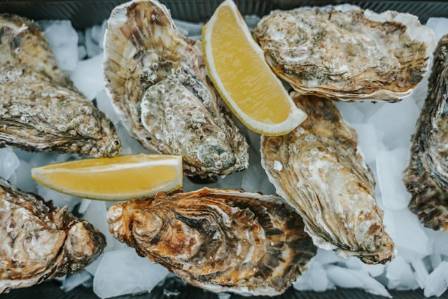
Lemon is the simplest and most effective oyster garnish, but preparation matters. I prefer cutting clean wedges that are easy to squeeze and free of seeds.
Start by slicing the lemon lengthwise, then dividing it into even segments. Remove visible seeds and trim away excess white membrane if needed.
This makes the wedges neater and prevents unwanted bits from falling into the oyster shell when serving.
How to Prepare Crushed Ice
Oysters should always be served chilled, and crushed ice is the most reliable base. If you don’t have an ice machine, a food processor works well for breaking ice cubes into small pieces.
Work in small batches to avoid overheating the machine. The goal is a mix of fine and slightly chunky ice rather than a uniform powder.
Drain excess water as you go so the oysters don’t sit in slush. A colander over a bowl works well for this.
Before assembling the serving tray, line the bowl with a cloth or towel to help stabilize the ice and prevent shifting during serving.
Shucking and Serving
Shucking oysters takes practice, but the main idea is simple: find the hinge and apply controlled pressure to open the shell safely. Never force the knife aggressively, since that can damage the oyster or cause injury.
Once opened, check for shell fragments and keep the oyster intact in its natural shape. Place each one on the prepared bed of ice as you go.
Arrange them so they stay stable, then add lemon wedges and sauce on the side. If you’re serving a large group, it helps to work in batches so everything stays cold and fresh.
You can keep additional oysters ready on a tray and replenish the serving platter as needed.
When everything comes together, you end up with a simple but impressive setup that turns a regular gathering into something memorable.
संबंधित फ़ाइलें

Cyclists complete Glasgow to Athens challenge and raise close to £100,000
AUTH: Sindre

ऑटोमोबाइल से जुड़े रोचक तथ्य: कारों की दुनिया में एक गहन पड़ताल
AUTH: रमेश माहेश्वरी

Top 8 Reasons Why Reading Is Crucial for Adults
AUTH: Jeanne

थाईलैंड द्वीप गाइड: सबसे खूबसूरत द्वीप
AUTH: भारती

8 सबसे प्रसिद्ध फूल कलाकृतियाँ
AUTH: ज़रा

Masterpieces of Nature: The World's Most Breathtaking Landscape Paintings
AUTH: Olivia Bennett