क्रिएटिव फ़ाइल
Remarkable AI Trained Robot Dog Climbs Stairs and Bounds Through Dense Forests
A ninety pound quadrupedal robot has mastered navigating complex outdoor environments independently. The machine moves through thick woods, scales steep staircases, and clears physical obstacles without human intervention. It effortlessly shifts between a steady trot and a high speed leap.
Thomas Walker
निर्माता
फ़ाइल नोट
नीचे पूरा ट्यूटोरियल या लेख पढ़ें।
मॉड्यूल
डिजिटल कला
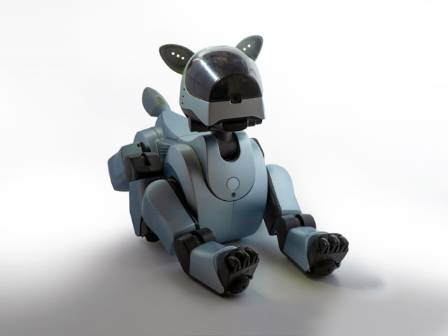
A ninety pound quadrupedal robot has mastered navigating complex outdoor environments independently. The machine moves through thick woods, scales steep staircases, and clears physical obstacles without human intervention. It effortlessly shifts between a steady trot and a high speed leap.
The advanced robot carries onboard vision systems including cameras and distance sensors. These tools scan upcoming ground surfaces continuously. The internal system chooses the best movement style instantly. Outdoor trials proved its reliability across university grounds and dense forest pathways covered in slippery foliage and tree roots.
Researchers detailed this artificial intelligence system in a recent scientific publication. The groundbreaking framework allows autonomous machines to adapt to challenging real world environments seamlessly.
Overcoming Mechanical Stumbles with Next Generation Neural Networks
Living animals naturally change their movement patterns based on speed and ground conditions. Dogs trot carefully across rocky soil before leaping over fallen trees. Replicating this smooth transition in mechanical systems remains a major engineering challenge. Separate control programs often cause dangerous lag that makes robots fall over.
Scientists solved this problem using a novel artificial intelligence training method. The system studies vast libraries of physical movements through a transformer model. It learns movement patterns rapidly and improves performance using a digital reward system.
The training process began inside a simple two dimensional virtual simulation. Computers calculated realistic leg forces and created nearly two hundred thousand short movement patterns. The system generated over fifteen hours of physical motion data in under ten minutes. The AI learned to navigate virtual stairs, gaps, and obstacles through repeated trial and error.
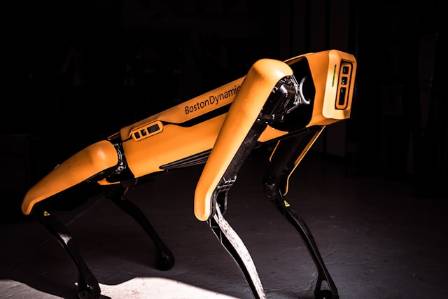
High Speed Obstacle Clearing and Future Disaster Response Potential
The simulated robot dog quickly moved beyond basic training data. It learned to jump over obstacles in three dimensional environments even without prior instructions. Engineers then integrated depth cameras and lidar mapping directly into the digital training matrix.
Physical testing produced outstanding performance results. The robot cleared a two foot obstacle at speeds approaching ten miles per hour. It also navigated down multi step staircases effortlessly. The machine selected trotting for slow uneven terrain and chosen bounding for larger hurdles.
This technology could help rescue teams navigate dangerous disaster areas inaccessible to traditional wheeled vehicles. Current models only support two distinct movement styles and forward motion. Future research aims to add rapid turning, sideways movement, and crawling capabilities.
संबंधित फ़ाइलें

Watercolor Flower Tutorial: A Beginner’s Guide to Vibrant Florals
AUTH: Winifred Mae Kingsley

अरोरा बोरेलिस के रंग: विज्ञान और जादू का एक नृत्य
AUTH: कीर्ति
हिरण के बारे में 15 मजेदार तथ्य
AUTH: दीपिका

Ten Shocking Facts You Never Knew About Beautiful Sheep
AUTH: Warren Stella

हर बेकर के लिए आवश्यक ब्लूबेरी केक रेसिपी
AUTH: जितेंद्र राठौर
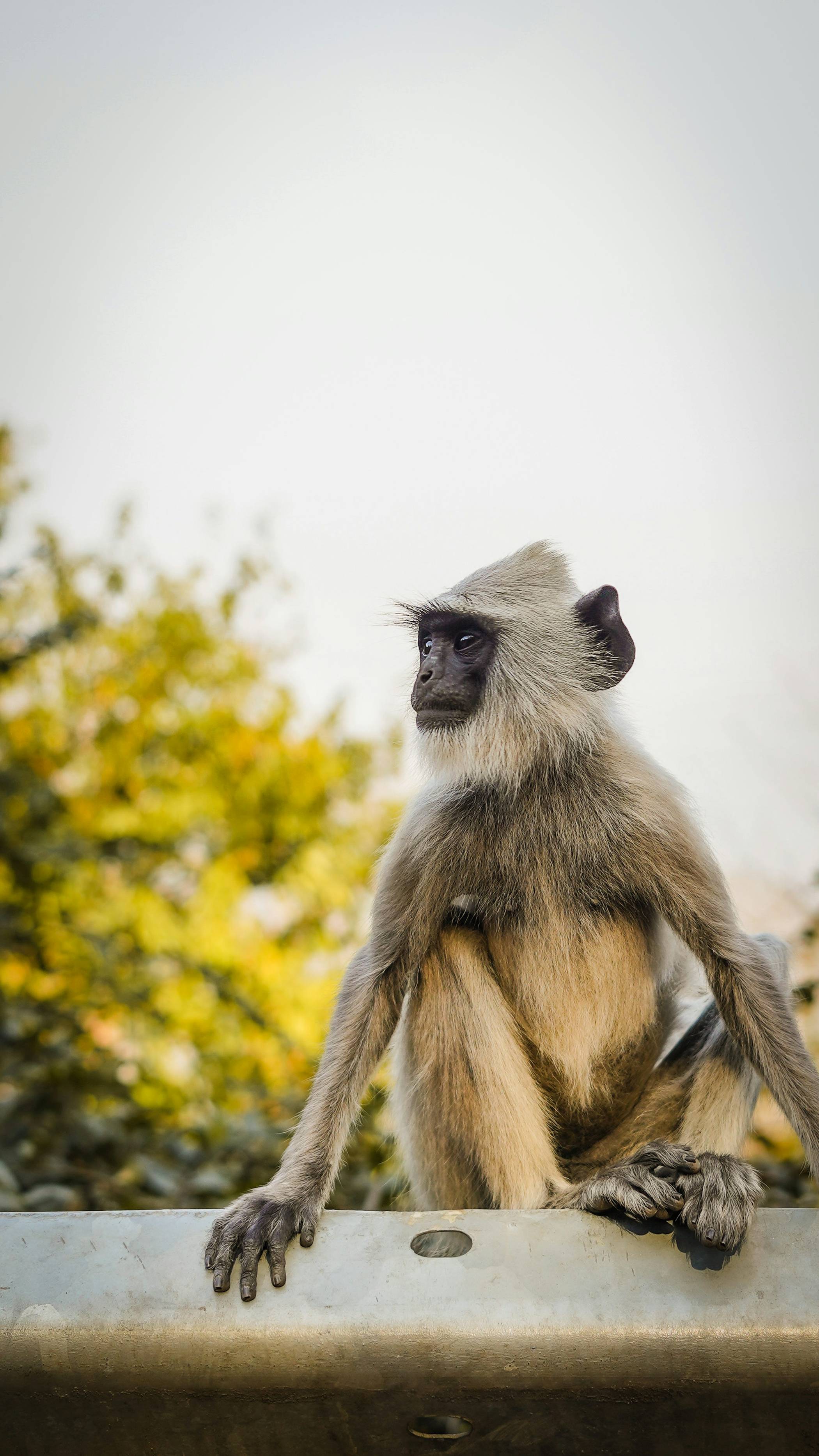
बंगाल हनुमान लंगूर
AUTH: सूरज