क्रिएटिव फ़ाइल
Learning About the Indian Spot-Billed Duck Discovering the Secrets of This Special Bird Species
Scattered across India’s landscapes, the Indian Spot-Billed Duck is a wonderful sight to see. It has a unique large bill decorated with red and yellow spots, making it a favorite among bird experts. The bird gets its name from these colorful marks, which make it stand out from other duck species. Beyond being visually appealing, this duck plays a crucial role in keeping wetland ecosystems healthy. It mainly feeds on plant matter, which helps control the growth of water vegetation and maintain a balanced environment. Its distinct call—a loud “kwek-kwek”—rings out in its habitats, adding a special touch to the peaceful surroundings. With all these charming traits, the Indian Spot-Billed Duck has become one of India’s most beloved bird species.
James Morgan
निर्माता
फ़ाइल नोट
नीचे पूरा ट्यूटोरियल या लेख पढ़ें।
मॉड्यूल
डिजिटल कला
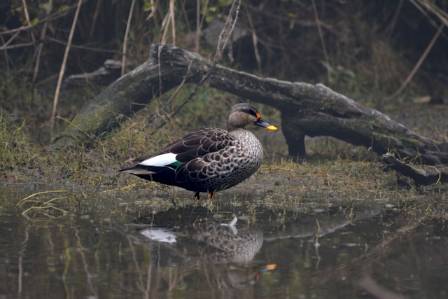
Scattered across India’s landscapes, the Indian Spot-Billed Duck is a wonderful sight to see. It has a unique large bill decorated with red and yellow spots, making it a favorite among bird experts. The bird gets its name from these colorful marks, which make it stand out from other duck species. Beyond being visually appealing, this duck plays a crucial role in keeping wetland ecosystems healthy. It mainly feeds on plant matter, which helps control the growth of water vegetation and maintain a balanced environment. Its distinct call—a loud “kwek-kwek”—rings out in its habitats, adding a special touch to the peaceful surroundings. With all these charming traits, the Indian Spot-Billed Duck has become one of India’s most beloved bird species.
Physical Characteristics of the Indian Spot-Billed Duck What Sets This Species Apart
The Indian Spot-Billed Duck is well-known for its unique physical features, which make it different from other duck types. Here’s a detailed look at its physical traits:
Size
The Indian Spot-Billed Duck is a relatively large waterbird, with a body length ranging from 55 to 63 centimeters (22 to 25 inches). Its wingspan measures about 83 to 95 centimeters (33 to 37 inches), making it quite a substantial duck compared to many others.
Weight
The weight of Indian Spot-Billed Ducks varies between males and females. Males are a bit heavier, usually weighing around 1.2 kilograms (2.6 pounds), while females typically weigh about 1 kilogram (2.2 pounds). This weight gives them a sturdy and noticeable presence among other waterbirds.
Coloration
These ducks have a mostly grey body, with a lighter-colored underbelly. One of their most eye-catching features is the green speculum (a patch on the wing) that is bordered by white stripes. But what really makes them easy to identify is their bill: it is black with yellow markings and has a red spot at the base. They also have red eyes surrounded by a thin yellow ring, which adds to their overall attractive look.
Bill
The bill of the Indian Spot-Billed Duck is particularly notable. It is black with a yellow tip and has a clear red spot at the base. This feature is where the bird gets its name and is a key way to recognize the species.
Eyes
Their eyes are a bright red color, and a narrow yellow ring around each eye makes this color even more striking, enhancing the duck’s captivating appearance.
Overall Appearance
With their eye-catching color patterns and unique bill, Indian Spot-Billed Ducks have a charming appeal that makes them stand out among other birds.
Habitat and Distribution of the Indian Spot-Billed Duck Exploring Its Preferred Environments
The habitat and distribution of the Indian Spot-Billed Duck are closely tied to its love for freshwater ecosystems. Here’s an overview of where these ducks live and the kinds of environments they prefer:
Habitat
Indian Spot-Billed Ducks thrive in wetland habitats, especially freshwater areas like lakes, marshes, ponds, and rivers. These wetlands serve as important feeding grounds, providing plenty of food sources such as aquatic plants, insects, and small fish. Additionally, the thick vegetation in wetlands—like tall grass or reeds—offers good nesting spots and protection from predators. Female Indian Spot-Billed Ducks usually lay 7 to 9 eggs in these hidden nests, and the eggs hatch after an incubation period of roughly one month.
Distribution
The Indian Spot-Billed Duck’s range covers several Asian countries, mostly in South Asia. Here’s a breakdown of where they can be found:
India: These ducks live throughout India, from the foothills of the Himalayas to the southern parts of the Indian peninsula.
Nepal: Indian Spot-Billed Ducks are also permanent residents of Nepal, especially in wetland areas and river systems.
Bangladesh: In Bangladesh, they are commonly seen in freshwater bodies across the entire country.
Pakistan: Similarly, they live in Pakistan, making their homes in wetlands and freshwater habitats.
Migration Behavior
Indian Spot-Billed Ducks usually stay in their chosen habitats all year round. They are not known for long-distance migrations, but they might move short distances within their range if the weather changes or if there is a shift in the availability of food.
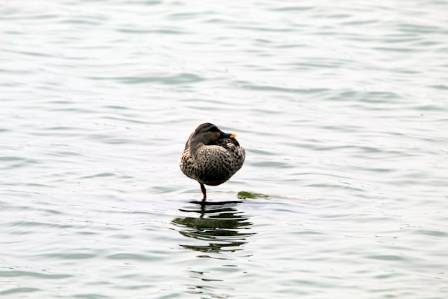
Behavior and Diet of the Indian Spot-Billed Duck
The behavior and diet of the Indian Spot-Billed Duck offer interesting insights into its way of life and how it adapts to its environment. Here’s a detailed look at these aspects:
Feeding Habits
Indian Spot-Billed Ducks have an omnivorous diet and show a variety of feeding behaviors:
Dabbling: They are known for dabbling—spending time in shallow water to feed on aquatic vegetation, small fish, snails, and insects.
Diet Examples: Their diet includes a wide range of foods, such as pondweed, milfoil, water beetles, and shrimps.
Land Grazing: These ducks often graze on land, eating seeds and grains from agricultural fields. This behavior often brings them close to areas where humans live.
Breeding Behavior
During the breeding season, Indian Spot-Billed Ducks show some distinct behaviors:
Courtship Displays: Males perform courtship rituals that include preening their feathers, stretching their necks, and touching bills with females to attract them.
Monogamous: This species is monogamous, meaning that once a pair forms, they stay together, and both parents take part in raising their young.
Nesting: Nest building usually starts in early summer, near water bodies. The nests are hidden among tall grass or shrubs to keep them safe from predators.
Clutch Size: Females lay about 7 to 10 eggs per clutch, and the eggs hatch after an incubation period of around one month.
Parental Care: The ducklings are precocial, which means they leave the nest within a day or two after hatching. Both parents take care of them until they become independent, which happens when they are about eight weeks old.
Adaptability
Indian Spot-Billed Ducks show great adaptability in their feeding habits and breeding behavior, which helps them survive in different environments. Their ability to use both aquatic and land-based food sources, along with their monogamous breeding strategy, contributes to their success as a species.
Conservation Status of the Indian Spot-Billed Duck
The International Union for Conservation of Nature (IUCN) Red List classifies the Indian Spot-Billed Duck as “Least Concern.” This means the species is not facing a major risk of extinction in its natural habitat. However, even with this classification, the duck is still affected by various human activities and environmental changes. Here are some key threats to the species and the conservation efforts in place to protect it:
Threats
The Indian Spot-Billed Duck faces several threats, most of which come from human activities and environmental changes. Here are the main ones:
Habitat Degradation: The biggest threat to Indian Spot-Billed Ducks is the degradation of their habitat. They depend on wetlands for food, shelter, and breeding, but these areas are increasingly being lost or split up due to urban development and the expansion of agriculture. In India, more than 38% of wetlands have disappeared in the past decade.
Water Pollution: Pollution of water sources is another major threat. Industrial waste, agricultural runoff containing pesticides, and plastic pollution can harm the ducks directly or damage their food sources, which affects their overall health and chances of survival.

Conservation Efforts
Several measures have been taken to protect Indian Spot-Billed Ducks and their habitats:
Protected Areas: Many Protected Areas (PAs) have been set up in India to conserve the important wetland habitats where these ducks live. These areas provide a safe haven for the ducks and other wildlife.
Pollution Control: Both national and local authorities are working to clean up polluted water bodies and reduce the impact of water pollution on Indian Spot-Billed Ducks and their habitats.
Environmental Education: Environmental education programs are being run in communities near important duck habitats. These programs aim to raise awareness about the importance of wetland conservation and encourage people to adopt sustainable practices.
Conclusion
The Indian Spot-Billed Duck is an amazing species, with unique features and a strong ability to adapt. It thrives in freshwater habitats across the Indian subcontinent, showing its resilience through its varied diet and ability to live in different environments. Even though it is a common sight in India, spotting this bird is still an exciting experience for nature lovers. However, the loss of habitat due to human activities poses a significant threat to its survival. Conservation efforts are essential to protect this species, and they highlight the importance of preserving natural habitats. As caretakers of the planet’s biodiversity, it is our responsibility to ensure that species like the Indian Spot-Billed Duck are protected and conserved so that future generations can also appreciate and admire them.
संबंधित फ़ाइलें

फूलों की सजावट के नियम और नीयम
AUTH: रिया

10 सबसे प्रतिष्ठित मार्वल सुपरहीरो पोशाकें, रैंकिंग
AUTH: ईशान

दुनिया की सबसे प्रसिद्ध सड़कें
AUTH: वीर

एक बढ़ती हुई क्रांति
AUTH: रियान

6 Surprising Health Benefits of Walking Through a Forest
AUTH: Lily

The Ultimate Family Sports Cars of 2023
AUTH: Noah Greyson