क्रिएटिव फ़ाइल
The 10 Best Traditional Japanese Foods and Dishes
Japanese cuisine is admired worldwide for its beautiful presentation, seasonal ingredients, and carefully balanced flavors. Rooted in tradition and simplicity, Japanese cooking focuses on freshness and harmony, creating dishes that are both visually appealing and deeply satisfying.
Alaric Knight
निर्माता
फ़ाइल नोट
नीचे पूरा ट्यूटोरियल या लेख पढ़ें।
मॉड्यूल
डिजिटल कला
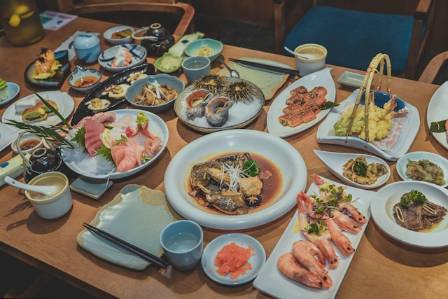
Japanese cuisine is admired worldwide for its beautiful presentation, seasonal ingredients, and carefully balanced flavors. Rooted in tradition and simplicity, Japanese cooking focuses on freshness and harmony, creating dishes that are both visually appealing and deeply satisfying.
If you want to explore authentic Japanese cuisine beyond the basics, here are some of the most iconic traditional dishes that showcase the heart of Japan’s food culture.
The Philosophy Behind Japanese Cuisine
Traditional Japanese cooking, known as washoku, follows the concept of balance and variety. Often referred to as the “rule of five,” this approach emphasizes:
Five colors: black, white, red, yellow, and green
Five cooking styles: raw, grilled, steamed, simmered, and fried
Five flavors: sweet, salty, sour, bitter, and spicy
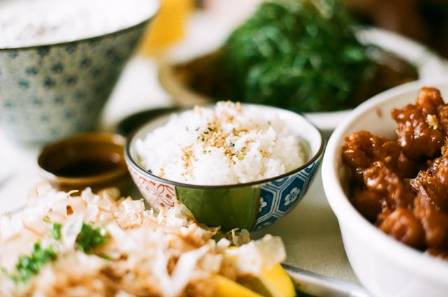
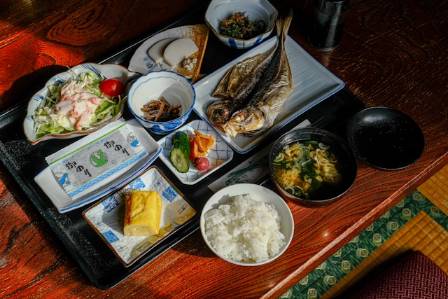
Even a simple Japanese meal often reflects these principles through a combination of rice, soup, and several side dishes, a style known as ichiju-sansai.
Sushi
Among all Japanese dishes, sushi is perhaps the most internationally recognized. Originally developed centuries ago as a way to preserve fish using fermented rice, sushi has evolved into an artful cuisine enjoyed around the globe.
Modern sushi usually features vinegared rice paired with fresh seafood and is served in many forms, including nigiri, maki rolls, and sashimi-style preparations.
Tempura
Tempura consists of seafood or vegetables coated in a delicate batter and deep-fried until light and crispy.
Achieving perfect tempura requires careful attention to detail, especially maintaining ice-cold batter and very hot oil. This creates the signature airy texture that tempura is famous for.
In eastern Japan, tempura is commonly enjoyed with a dipping sauce, while western regions often serve it with seasoned salt.
Yakitori
Yakitori refers to skewered chicken grilled over open flames.
Different parts of the chicken are traditionally used, including thighs, skin, liver, and other cuts, reflecting the Japanese value of minimizing food waste.
Although grilled chicken is now a popular comfort food throughout Japan, meat consumption was historically restricted for centuries, making yakitori a relatively modern addition to Japanese cuisine.
Tsukemono Pickles
Tsukemono are traditional Japanese pickled foods that have been part of the Japanese diet since ancient times.
These pickles are made using a wide variety of vegetables and fruits, such as daikon radish, eggplant, and ume plums.
In addition to adding vibrant color and texture to meals, tsukemono are also appreciated for their refreshing flavor and health benefits.
Kaiseki
Kaiseki represents the highest form of traditional Japanese dining.
This elegant multi-course meal highlights seasonal ingredients prepared with exceptional precision and artistry. Every dish is carefully designed to balance flavor, color, texture, and presentation.
Kaiseki cuisine originated from the Japanese tea ceremony, where light dishes were served alongside green tea before evolving into sophisticated fine dining.
Typical kaiseki meals may include sashimi, simmered dishes, grilled items, and soups.
Udon
Udon noodles are thick wheat noodles known for their chewy texture and versatility.
They can be served hot in broth or chilled with dipping sauces, making them suitable for every season.
Several regional udon styles are famous throughout Japan, including:
Sanuki udon from Kagawa
Kishimen from Nagoya
Inaniwa udon from Akita
Their affordability and comforting taste make udon one of Japan’s most beloved everyday foods.
Soba
Soba noodles are made from buckwheat flour and have a thinner, firmer texture compared to udon.
Highly regarded for their nutritional value, soba noodles can be enjoyed either cold with dipping sauce or hot in savory broth.
Because they are light yet filling, soba remains a popular choice year-round.
Sukiyaki
Sukiyaki is a classic Japanese hot pot dish prepared with thinly sliced beef, tofu, vegetables, and noodles simmered in a sweet soy-based broth.
Traditionally cooked in a shallow iron pot at the dining table, sukiyaki became especially popular after restrictions on meat consumption ended during the Meiji era.
It is also one of the most popular ways to enjoy premium wagyu beef.
Sashimi
Long before sushi became famous, Japanese cuisine already featured sashimi — thin slices of raw ingredients served without rice.
While seafood sashimi is the most common, the term can also include raw meats such as beef, chicken, or horse meat in certain regional dishes.
Freshness and knife technique are extremely important in sashimi preparation, allowing the natural flavor of the ingredients to shine.
Miso Soup
Miso soup is a staple of traditional Japanese meals and is served alongside countless dishes.
The soup is made by combining dashi stock with fermented soybean paste known as miso, creating a rich umami flavor.
Common additions include tofu, green onions, seaweed, clams, pork, or seasonal vegetables, depending on the region and time of year.
Although simple in appearance, miso soup plays an essential role in Japanese home cooking and dining culture.
Experience Japanese Cuisine
Japanese food is more than just a meal — it reflects centuries of history, seasonal traditions, and attention to balance and beauty.
From delicate sushi and crispy tempura to comforting bowls of udon and refined kaiseki dining, every dish offers a unique glimpse into Japan’s rich culinary heritage.
संबंधित फ़ाइलें

How to Choose the Perfect Wood Picture Frame
AUTH: Daniel Barrett

दुनिया के सबसे खूबसूरत रेगिस्तान
AUTH: इशान

Ten Shocking Facts You Never Knew About Beautiful Sheep
AUTH: Warren Stella

दुनिया के सबसे प्रेरणादायक दौड़ने वाले ट्रैक
AUTH: देव

चढ़ने के लिए 12 सबसे अच्छे पहाड़ 🏔 (मुमकिन चोटियाँ!)
AUTH: आद्या
एक बढ़ती हुई क्रांति
AUTH: रियान