← मुख्य पन्ना4 मिनट का पाठ
क्रिएटिव फ़ाइल
Exploring How Mechanisms and Machines Have Evolved Throughout History
The story of human progress is inseparable from the machines we create. From early tools based on basic physics to today’s advanced robotics and AI systems, mechanical innovation has continually expanded our abilities and reshaped society.
O
Olivia Mitchell
निर्माता
फ़ाइल नोट
नीचे पूरा ट्यूटोरियल या लेख पढ़ें।
मॉड्यूल
डिजिटल कला
The story of human progress is inseparable from the machines we create. From early tools based on basic physics to today’s advanced robotics and AI systems, mechanical innovation has continually expanded our abilities and reshaped society. This article highlights the milestone technologies that defined mechanical engineering and shows how machines have transformed the way we live and work.
Key Points
Ancient simple machines established the core principles that underpin modern mechanical systems.
Renaissance inventors, especially Leonardo da Vinci, introduced visionary mechanical designs that still influence engineering today.
The Industrial Revolution accelerated mechanization through steam power, textile machinery, and standardized components.
Precision engineering brought machine tools, electric machines, and early automation, paving the way for modern industry.
Robotics and AI now drive the next wave of innovation, enabling autonomous systems with unprecedented capabilities.
Early Mechanical Innovation
Simple Machines
Early engineers developed devices such as the lever, screw, pulley, and inclined plane to reduce physical effort and improve productivity. These inventions may appear basic, but they formed the blueprint for future mechanical complexity and laid the groundwork for mechanized labor.
Water and Wind Power
Water wheels and windmills represented a major step forward, converting natural forces into mechanical energy for milling, sawing, and other tasks. Their influence can still be seen in modern hydroelectric and wind-power systems.
Greek Engineering Influence
Greek innovators like Archimedes advanced foundational principles such as leverage and buoyancy. The Antikythera mechanism demonstrated early expertise in gears and calculation, showcasing remarkable mechanical sophistication.
The Renaissance Rebirth of Engineering
Da Vinci’s Mechanical Concepts
Leonardo da Vinci imagined flying machines, automated devices, and military equipment far ahead of his time. His sketches reflect a unique blend of creativity and mechanical understanding that inspired generations of engineers.
Clockwork and Metalworking Advances
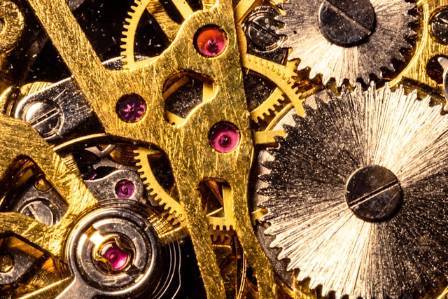
Renaissance craftsmen improved precision through clockwork mechanisms and enhanced metalworking techniques. Early lathes, hammers, and milling tools enabled more accurate and efficient production.
The Industrial Revolution
Steam Power and Factory Growth
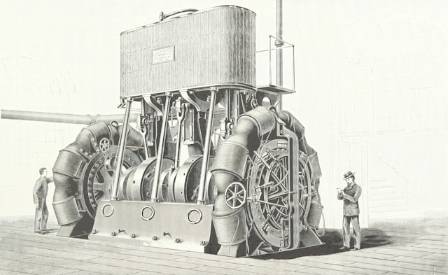
Steam engines transformed manufacturing, centralizing production in factories and dramatically increasing output. This shift also changed labor patterns and spurred urban development.
Textile Machinery
Inventions like the spinning jenny, water frame, and power loom revolutionized fabric production, moving the textile industry from manual home labor to large-scale factory systems.
Interchangeable Parts
Standardized components simplified assembly and repair, reducing costs and allowing mass production of everything from weapons to consumer goods.
Precision Engineering and Early Automation
Machine Tools
Inventors such as John Wilkinson and Henry Maudslay developed precise machine tools that enabled consistent, high-quality manufacturing—an essential step toward industrial-scale production.
Electrical Machines
Electric motors, generators, and transformers replaced steam power and introduced cleaner, more flexible energy systems that shaped modern industry.
Control Systems
The adoption of sensors, controllers, and actuators introduced early automation, improving accuracy, safety, and efficiency across manufacturing sectors.
Modern Robotics and Intelligent Machines
From Automated Tasks to Autonomous Systems
Robots have evolved from programmed machines to systems capable of learning and adapting. This leap—from automation to autonomy—underpins today’s robotics revolution.
AI Integration
Artificial intelligence enhances machinery across industries, supporting precision manufacturing, autonomous vehicles, healthcare robotics, and smart agriculture.
Future Direction
Machine design is trending toward collaborative robots, AI-driven decision-making, adaptive systems, and fully connected digital engineering pipelines.
Conclusion
Humanity’s relationship with machines has continually advanced, from simple tools to sophisticated robotic systems. Each era introduced breakthroughs that reshaped civilization and expanded what we could achieve. As AI and autonomy redefine modern machinery, the evolution of mechanical engineering will continue driving innovation and transforming the future.
संबंधित फ़ाइलें

// hi
स्कीइंग और स्नोबोर्डिंग के 12 लाभ
AUTH: नील

// en
5 Compelling Reasons to Experience Flyboarding on Your Next Getaway
AUTH: Lila Prescott

// hi
स्मार्ट होम क्या है? वो सब कुछ जो आपको जानना चाहिए
AUTH: ईशा

// hi
आंतरिक स्थानों को रूपांतरित करना: बड़े आकार की दीवार कला के लिए एक मार्गदर्शिका
AUTH: काव्या ठाकर

// hi
फ़्लाइट आपके दिमाग़ को कैसे बुरी तरह प्रभावित करती है
AUTH: गीता

// en
Ocean Wave Bas Relief Wall Art
AUTH: Daniel Foster