क्रिएटिव फ़ाइल
DIY Metal Artistry: A Comprehensive Introduction for New Crafters
Engaging in metal artistry allows you to elevate your creative skills and craftsmanship to an impressive new level. This field of art involves a diverse range of methods that can be applied in numerous ways, giving you the freedom to build original designs from scratch or modify existing metal objects. From delicate jewelry and intricate sculptures to custom furniture and ornate door hardware, the potential for creation is boundless. This guide is designed to help those with no prior experience begin their journey into the world of metalworking right from their own home.
Norma Jean Wainwright
निर्माता
फ़ाइल नोट
नीचे पूरा ट्यूटोरियल या लेख पढ़ें।
मॉड्यूल
डिजिटल कला
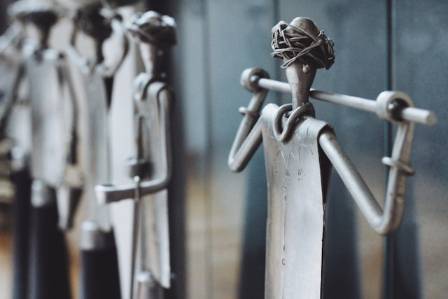
Engaging in metal artistry allows you to elevate your creative skills and craftsmanship to an impressive new level. This field of art involves a diverse range of methods that can be applied in numerous ways, giving you the freedom to build original designs from scratch or modify existing metal objects. From delicate jewelry and intricate sculptures to custom furniture and ornate door hardware, the potential for creation is boundless. This guide is designed to help those with no prior experience begin their journey into the world of metalworking right from their own home.
Understanding the Methods of Metal Creation
Before picking up your tools, it is essential to understand the primary approaches used to manipulate metal into art. Generally, these fall into three categories:
Metal Fabrication is the process of building a piece of art from the ground up. This involves taking raw metal stock and using tools like saws, grinders, and welding torches to cut and mold the material into a specific form.
Metal Restoration focuses on taking aged or damaged metal pieces and refurbishing them. Through specialized cleaning, grinding, and repair techniques, an artist can breathe new life into an old object, returning it to its former glory.
Metal Sandblasting utilizes high-pressure streams of abrasive material to etch or engrave patterns onto a metal surface. This technique is frequently used for detailed work on smaller items such as hardware or personal accessories.

Essential Tools and Materials
To establish a functional home workspace, you will need to acquire several fundamental pieces of equipment. Safety is paramount when working with heat and sharp edges, so your kit should include a welding helmet, heat-resistant gloves, and safety goggles. For the actual construction, a welding torch, a metal-cutting saw, and an angle grinder are indispensable.
Depending on your specific goals, you will also need to source various materials. Metal sheets or discarded scrap metal serve as the primary medium for fabrication. For assembly and decoration, you may need soldering equipment for lightweight tasks or heavy-duty welding gear for structural projects. Additionally, drilling tools are required for creating openings, while a variety of sanding and polishing supplies will be necessary to achieve a professional final finish.
Common Projects for Beginning Metal Artists
While you can eventually create almost anything, certain projects are particularly well-suited for those just starting out.
-
Sculptures: These can range from tabletop decorations to large garden installations. While they can be made from any metal, copper, brass, and bronze are favored for their aesthetic appeal.
-
Jewelry: Crafting items like rings, necklaces, and earrings is a perfect entry point. It requires less heavy equipment and allows for immediate results.
-
Home Fixtures: Custom door handles and drawer pulls offer a way to create functional art. These items can be personalized with unique engravings or textures.
-
Furniture: As you gain confidence, you can transition to larger projects such as custom chairs, tables, or frames, which combine structural engineering with artistic design.
A Step-by-Step Guide to Your First Piece
The process of creating metal art follows a logical progression. Begin by selecting a project that matches your current skill level, perhaps starting with something small like a decorative keychain. Once you have gathered your metal stock and tools, the first step is to roughly cut and shape your components to ensure they fit together as intended.
Next, use a drill to create any necessary holes for fasteners or hanging points. Once the pieces are aligned, use a soldering iron or welding torch to fuse the seams, ensuring the structure is stable and gap-free. The final phase involves refining the surface; you can grind down rough welds and polish the metal to your desired level of shine. Whether you prefer a raw, industrial look or a mirror-like finish, this final step defines the character of your work.
Regardless of the specific medium—whether it is a painter working on a stretched canvas or a metalworker shaping bronze—the goal remains the same: to transform raw materials through dedicated technique into a finished product that reflects your unique artistic vision.

संबंधित फ़ाइलें

सुंदर प्रतिबिंबों को कैप्चर करने के लिए 5 टिप्स
AUTH: माधवी

9 कारण क्यों (सही मात्रा में) कॉफी आपके लिए अच्छी है
AUTH: वाणी

Cyclists complete Glasgow to Athens challenge and raise close to £100,000
AUTH: Sindre

Top 8 Reasons Why Reading Is Crucial for Adults
AUTH: Jeanne
Transforming Your Living Space with Harvest Gold Interior Tones
AUTH: Jonathan Michael Carter

Fresh Fruit and Greek Yogurt Parfaits
AUTH: Audrey Kathleen Brooks