क्रिएटिव फ़ाइल
Top 10 Authentic Chinese Breakfasts
Breakfast plays an important role in Chinese culture and is widely regarded as the most essential meal of the day. There is a well-known Chinese proverb: “Eat breakfast like an emperor, lunch like a king, and dinner like a pauper” . This saying highlights the traditional belief that a hearty breakfast helps provide the energy needed to begin the day effectively.
Gideon Locke
निर्माता
फ़ाइल नोट
नीचे पूरा ट्यूटोरियल या लेख पढ़ें।
मॉड्यूल
डिजिटल कला
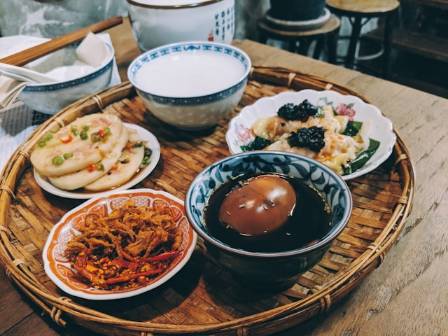
Breakfast plays an important role in Chinese culture and is widely regarded as the most essential meal of the day. There is a well-known Chinese proverb: “Eat breakfast like an emperor, lunch like a king, and dinner like a pauper” . This saying highlights the traditional belief that a hearty breakfast helps provide the energy needed to begin the day effectively.
In Chinese daily life, breakfast (早餐, zǎocān) is more than just a meal—it can also be a shared family moment. Many households enjoy eating together in the morning, starting the day in a positive and connected atmosphere. The variety of Chinese breakfast foods is extremely rich, reflecting the country’s vast geography and cultural diversity. Whether light or filling, sweet or savory, breakfast dishes vary widely from region to region.
Regional Chinese Breakfast Traditions
In Northern China, breakfast tends to be more filling and wheat-based. This is largely due to the colder climate and the dominance of wheat cultivation in the region. Common choices include steamed buns (baozi), savory pancakes (jianbing), and deep-fried dough sticks (youtiao). A warm glass of soy milk (doujiang) is often enjoyed alongside these foods.
In Southern China, breakfasts are usually lighter and centered around rice, reflecting the warmer weather and rice-growing environment. Popular dishes include rice porridge (congee), rice noodles (mixian), and rice cakes (nian gao). Dim sum items such as xiaolongbao (soup dumplings) and jiaozi (dumplings) are also widely eaten.
In Western China, breakfast is influenced by many ethnic traditions. Hand-pulled noodles such as lamian and laghman are common choices. Flatbreads like naan and dairy products such as yogurt are also frequently consumed in this region.
In Eastern China, coastal access influences breakfast menus, with seafood often included. Dishes like pork or seafood-filled shengjian bao, seafood congee, and stir-fried rice cakes (chao nian gao) are typical. Tea is commonly the preferred morning drink.
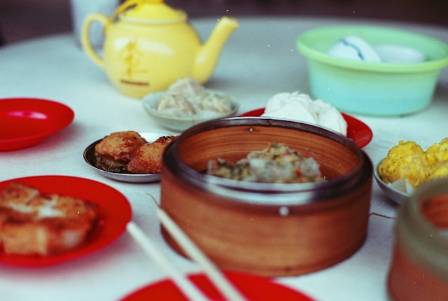
Chinese vs Western Breakfast
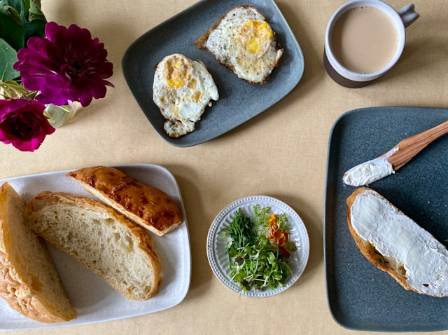
One key difference between Chinese and Western breakfasts is variety. Western breakfasts often rely on a narrower selection such as eggs, bread, and bacon, while Chinese breakfasts include a much broader range of items like noodles, rice-based dishes, vegetables, and pastries.
Another difference is overall heaviness. Chinese breakfasts are generally considered lighter and less oily compared to many Western breakfast options, even though they can still be very filling and nutrient-rich.
Top 10 Traditional Chinese Breakfast Foods
Congee – A soft rice porridge often paired with toppings like pickled vegetables, preserved eggs, or minced pork.
You Tiao – Long strips of deep-fried dough that are crispy outside and soft inside.
Baozi – Steamed buns filled with meat, vegetables, or sweet fillings such as red bean paste.
Jianbing – A savory crepe made from grain and wheat flour batter, eggs, herbs, and crunchy fillings.
Soy Milk – A soybean-based drink that is soaked, ground, and filtered into a smooth milk-like beverage.
Guokui – A pan-cooked flatbread, often crispy and filled with savory or sweet ingredients.
Doujiang – Warm soy milk, sometimes enjoyed with youtiao for dipping.
Shaobing – Layered baked bread that may contain sesame paste or savory fillings.
Dan Bing – A thin egg pancake often combined with scallions, meat, or vegetables.
Liangpi – Cold, chewy noodles made from wheat or rice flour, served with spicy and tangy sauce.
Frequently Asked Questions
Is breakfast important in China?
Yes. Breakfast is highly valued in Chinese culture and is believed to provide essential energy for the day. It is often enjoyed in a social or family setting.
What is the most common Chinese breakfast?
There is no single universal favorite, as preferences differ by region. However, congee, steamed buns, and youtiao are among the most widely consumed options.
What is considered a healthy Asian breakfast?
A balanced Asian-style breakfast may include steamed buns filled with vegetables, tofu dishes, and soy milk, offering a mix of carbohydrates, protein, and healthy fats.
संबंधित फ़ाइलें

बीच वेकेशन के लिए टॉप डेस्टिनेशन
AUTH: सरिता
चीन के शीर्ष दस सीढ़ीनुमा खेत
AUTH: मोहिनी

Strawberry Cake Facts for Children
AUTH: Daniel
8 सबसे प्रसिद्ध फूल कलाकृतियाँ
AUTH: ज़रा
इस तरह के केकड़े गहरे समुद्र से सबसे शानदार स्वाद देते हैं
AUTH: जय
The Cutest Birds in the World
AUTH: Ella Hughes