क्रिएटिव फ़ाइल
Twenty of the Most Adorable Creatures on Earth From Fluffy Rodents to Charming Waddling Birds
Our planet is home to roughly nine million unique living species. Every single creature plays a vital role in keeping our global ecosystem healthy. As humans we naturally find some of these animals much cuter than others. Science shows that we are psychologically drawn to adorable animals because of our deep nurturing instincts. This fascination has become a massive social phenomenon online. People love consuming and sharing pictures of delightful creatures to get a positive emotional response. Researchers have spent years studying where these creatures live and how they survive in the wild. This ultimate list explores twenty of the most charming animals on Earth today.
Douglas Mia
निर्माता
फ़ाइल नोट
नीचे पूरा ट्यूटोरियल या लेख पढ़ें।
मॉड्यूल
डिजिटल कला
Our planet is home to roughly nine million unique living species. Every single creature plays a vital role in keeping our global ecosystem healthy. As humans we naturally find some of these animals much cuter than others. Science shows that we are psychologically drawn to adorable animals because of our deep nurturing instincts. This fascination has become a massive social phenomenon online. People love consuming and sharing pictures of delightful creatures to get a positive emotional response. Researchers have spent years studying where these creatures live and how they survive in the wild. This ultimate list explores twenty of the most charming animals on Earth today.
The Stunning Red Panda of the Himalayas
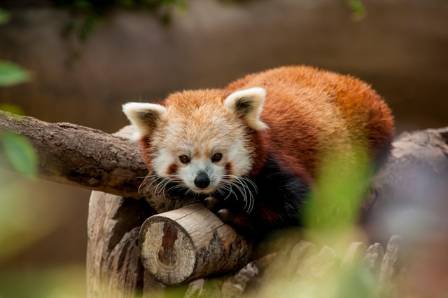
The magnificent red panda lives natively in the high forests of the eastern Himalayas. These beautiful tree dwellers are actually more closely related to raccoons than to giant pandas. They possess incredibly cute faces with vibrant facial markings that serve a vital purpose. These colorful patterns help the animals camouflage perfectly within their natural environment. Experts know them for their amazing climbing abilities and undeniable charm. Sadly human impacts on their forest habitats are driving the species closer to extinction. Scientists estimate that only about ten thousand red pandas remain in the wild today.
The Remarkable Large Ears of the Fennec Fox
The fennec fox thrives across the harsh desert environments of North Africa. They hold the title of the smallest wild dog species on Earth. These tiny animals usually weigh only two to three pounds in total. Their most notable physical trait is their exceptionally large ears. These ears can grow to be as big as half of their entire body length. This unique adaptation helps them dissipate excess body heat on scorching desert days.
The Quokka and Its Permanent Grin
The quokka is a small member of the marsupial family famous for its permanent smiling expression. Female quokkas typically breed just once a year and produce a single baby called a joey. You can find most of these friendly looking animals living on Rottnest Island in Australia. Booming tourism has led to a major increase in daily interactions between humans and quokkas. They look incredibly approachable but experts warn that they can bite if humans encroach on their personal space.
The Sleepy and Deceptive Koala Bear
The koala is an iconic Australian animal that is not actually a bear at all. They belong to the marsupial family and spend almost their entire lives high up in trees. They are not nearly as friendly as their cuddly appearance might suggest to visitors. These creatures can become highly aggressive whenever they feel threatened. Koalas spend most of their time sleeping and eating a strict diet consisting of fibrous eucalyptus leaves. Intense wild bushfires pose a massive threat to their long term survival by destroying their native habitats.
The Sea Otters That Hold Hands
The sea otter stands as the smallest marine mammal native to North America. The southern variety lives comfortably along the central coast of California. They possess the densest fur of any mammal on Earth with up to one million hairs per square inch. They regularly engage in endearing behaviors like rubbing their faces and holding hands while resting in the water. These creatures are also vital to their local environments. Reintroducing them to coastal areas has successfully saved dying kelp forests from total destruction.
The Hedgehog Rolls Into a Spiny Ball
Hedgehogs are unique spiny mammals belonging to an ancient animal family that dates back fifteen million years. They live across wide geographic ranges spanning from Europe to Asia. Their extreme cuteness is enhanced by their tiny faces and their ability to curl tightly into a ball for protection. They are highly adaptable creatures that live well in both the wild and under human care. Wild hedgehogs display highly varied hibernation patterns to cope with changing seasonal environments.
The Highly Social Meerkat Families
Meerkats are incredibly social creatures that live together in large cooperative groups. They work as a dedicated team to survive and enjoy constant companionship. Their daily cooperation efforts include huddling close together for warmth and standing upright to serve as safety lookouts. This intense teamwork is a clear sign of their advanced intelligence. Meerkats use complex chatter and distinct vocal interactions to broadcast information. They utilize close calls for a direct call and response exchange with neighbors and short notes to announce their current location.
The Playful Spirit of the Giant Panda
The giant panda is instantly recognizable by its distinctive large black eye patches and round body structure. Their short limbs and pudgy shapes make them highly susceptible to accidental falls. Once they tumble down they have a hilarious and playful way of rolling around until they get back up. They are technically herbivores that eat massive amounts of bamboo every day. However their digestive systems are physically typical for carnivores. Unique internal microRNAs regulate their gene expression and allow them to thrive on this plant based diet.
The Charming Waddling Penguins
Penguins are famous flightless birds that love engaging in playful behaviors like sliding on snow and diving into cold water. Different species live worldwide across Antarctica and Africa as well as Australia and New Zealand. They are exceptionally devoted parents and highly social colony members. The distinct way they waddle when they walk helps them maintain great balance and energy efficiency on land. They possess powerful flippers instead of wings and their dense thick bones give them excellent swimming abilities.
The High Mountain Pika
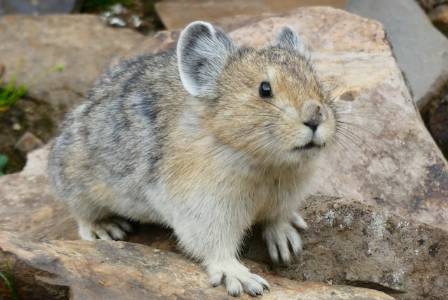
The pika is a small egg shaped mountain dweller that looks like a hamster but is actually related to rabbits. These tiny mammals weigh only about seven ounces in total. They are strict herbivores that use their sharp teeth to cut and consume alpine plants. They even derive all of their necessary daily water directly from the vegetation they eat. They prefer cool mountain habitats and scientists are studying how they handle global warming. New research suggests these resilient mammals can tolerate a much broader set of habitat conditions than previously understood.
The Camouflaged Arctic Fox of the Tundra
The arctic fox is the only canine species that completely changes its coat color with the seasons. They live natively across the freezing northern tundra. Their thick coat turns pure white in the winter to help them blend in perfectly with the deep snow. During the warmer months their fur shifts to brown and grey to enable excellent camouflage among coastal rocks. They use their keen sense of smell and sharp snouts to plunge headfirst into the snow when hunting for hidden mice.
The Smiling Axolotl Salamander
The axolotl is widely celebrated as the smiling salamander due to its cheerful facial structure. These unique amphibians can live up to fifteen years when kept in captivity. In the wild they reside exclusively in the ancient lake systems of Mexico City. They are globally renowned among scientists for their incredible biological abilities. They can easily regrow lost limbs and complex internal organs including their own spinal cords.
The Quick and Hopping Rabbit
Rabbits are beloved worldwide for their small twitching noses and incredibly soft fur. Size varies dramatically across the family as the tiny pygmy rabbit weighs only a single pound. In comparison the massive Flemish giant rabbit can reach four feet in length and weigh twenty-two pounds. These hopping animals are highly successful survivors that can be found on every single continent except Antarctica.
The Tiny Pocket Sized Sugar Glider
The sugar glider is a tiny possum native to the forests of Australia and New Guinea. They are popular pets around the world but they require specialized care due to their nocturnal lifestyle and strong odor. These marsupials are small enough to fit comfortably inside a human pocket. They are able to glide gracefully through the air using a thin skin membrane called a patagium.
The Massive and Gentle Capybara
The capybara is a gentle and highly intelligent creature that holds the crown as the largest rodent on Earth. Mature individuals regularly weigh more than one hundred pounds. They are native to South America and possess webbed feet that make them incredibly strong swimmers. These ultra social rodents prefer to live in massive groups that can range from fifty to one hundred individuals depending on the season.
The Efficient Hunting Japanese Weasel
The Japanese weasel is an exceptional hunter that can swim beautifully and climb tall trees. They are even capable of running down tight underground tunnels to pursue their targets. Humans have historically used them as a natural method of pest control to manage rat populations on smaller islands. Japan completely eliminated commercial fur farming in the mid-2000s to protect these sleek mammalian hunters.
The Agile Small Margay Cat
The margay is a stunning spotted wild cat belonging to the specialized Leopardus genus. They possess a magnificent tail that is half as long as their entire body. Their highly unique ankles can rotate a full one hundred and eighty degrees. This incredible physical trait makes them elite climbers that can sprint down tree trunks headfirst with total agility.
The Pygmy Marmoset As the Smallest Monkey
The pygmy marmoset is officially the smallest monkey species in the entire world. These miniature primates weigh just over four ounces when fully grown. They can rotate their heads one hundred and eighty degrees to watch for danger. They are capable of leaping more than sixteen feet through the high canopy of the Amazon rainforest.
The Hibernating Raccoon Dog Combo
The raccoon dog is a unique member of the canid family with facial markings that look exactly like a raccoon. They are considered an invasive species across parts of Europe where breeding is strictly prohibited. They are the only wild dog species on Earth that hibernates during the cold winter months. They are common nest predators that have a significant impact on local waterbird populations.
The Solitary Sand Cat of the Desert
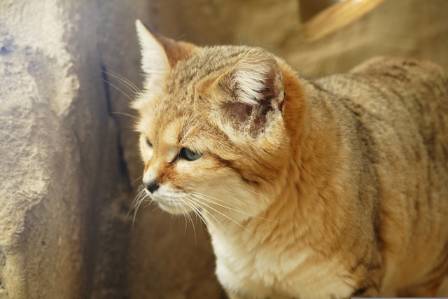
The sand cat is the smallest of all wild cat species on Earth. They live a completely solitary life hidden deep within the deserts of Africa and Asia. They are beautifully adapted to their harsh environments and can survive for weeks without drinking physical water. They possess an incredibly keen sense of hearing that allows them to locate and hunt moving prey underground.
संबंधित फ़ाइलें

पैरासेलिंग के बारे में आपको जो कुछ भी जानना चाहिए
AUTH: हरीश

सूची: दुनिया के सबसे ऊंचे टीवी प्रसारण टावर
AUTH: शशांक

क्लिफ
AUTH: स्नेहा

यूरोप में उत्तरी लाइट्स देखने के लिए 6 स्थान
AUTH: मानस

4 बुनियादी बैडमिंटन कौशल जिन्होंने मेरे खेल को बेहतर बनाया (केस स्टडी)
AUTH: अनन्या

दुनिया के सबसे बेहतरीन समुद्री नज़ारे
AUTH: तन्वी