क्रिएटिव फ़ाइल
How to Decorate a Cake Like an Artist
I can still vividly recall my very first attempt at cake decorating. The frosting was too soft, the patterns looked uneven, and the finished cake was far from the beautiful vision I had imagined. That experience taught me something important: cake decorating is more than following instructions—it’s about creativity, patience, and transforming something simple into something extraordinary.
Cameron Vale
निर्माता
फ़ाइल नोट
नीचे पूरा ट्यूटोरियल या लेख पढ़ें।
मॉड्यूल
डिजिटल कला
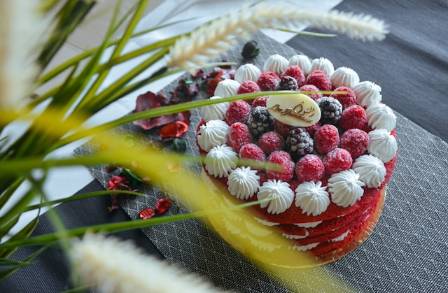
I can still vividly recall my very first attempt at cake decorating. The frosting was too soft, the patterns looked uneven, and the finished cake was far from the beautiful vision I had imagined. That experience taught me something important: cake decorating is more than following instructions—it’s about creativity, patience, and transforming something simple into something extraordinary.
As someone who enjoys watercolor art and exploring botanical gardens, I’ve always been fascinated by beautiful details and natural designs. Over time, I discovered that cake decorating shares many similarities with other forms of art. Even the cake stand plays a significant role in the final presentation, helping elevate an ordinary cake into a true centerpiece.
In this guide, I’ll walk you through my favorite methods for decorating cakes using straightforward yet effective techniques. Whether you’re completely new to decorating or already have some experience, these ideas will help you create elegant cakes that look professionally made. From preparing smooth frosting to arranging delicate sugar flowers, you’ll learn practical skills that make decorating enjoyable and approachable.
What You'll Need
Total Time: Approximately 1 Hour 30 Minutes
Estimated Cost: $20–$40
Difficulty: Intermediate
Essential Tools
Turntable for rotating the cake easily
Offset spatula for spreading and smoothing frosting
Piping bags with assorted decorating tips
Measuring cups for accurate preparation
Electric mixer for batter and frosting
Supplies and Ingredients
Cake mix or homemade cake ingredients
Buttercream or preferred frosting
Decorating tips for borders and patterns
Edible decorations such as sprinkles, candies, or flowers
Cake boards measuring approximately 12 inches
Step-by-Step Decorating Process
Step 1: Prepare the Cake
Allow the cake to cool completely before decorating. Once cooled, trim and level the layers so the surface is even and stable. Think of this stage as building a solid foundation for your final design.
Step 2: Apply a Crumb Coat
Spread a thin layer of buttercream over the entire cake. This initial layer traps loose crumbs and creates a clean base for the final frosting layer. Similar to priming a canvas before painting, it helps achieve a polished result.
Step 3: Add the Final Frosting Layer
Cover the cake with a thicker layer of buttercream and smooth it carefully. A turntable makes this process much easier by allowing you to rotate the cake while working. Use long, steady motions with your spatula and work gradually for the smoothest finish.
Step 4: Create Decorative Elements
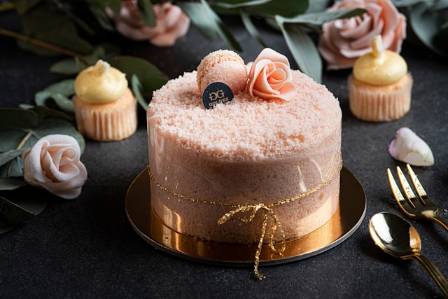
Once the cake is frosted, begin adding decorative features. One of my favorite techniques is crafting realistic sugar flowers. Tools such as petal veiners and ball tools help create natural-looking petals and elegant floral details.
Step 5: Arrange the Decorations
Position your sugar flowers thoughtfully around the cake. Avoid overcrowding the design. Empty spaces can be just as visually appealing as decorated areas. Aim for balance and harmony throughout the arrangement.
Step 6: Add Personal Touches
Enhance the design with complementary accents like fresh flowers, greenery, sprinkles, or edible decorations. Choose embellishments that support the overall theme rather than compete with it. For example, vibrant flowers often pair best with subtle decorative details.
Step 7: Select the Perfect Cake Stand
A beautiful cake deserves an equally beautiful presentation. Choose a stand that complements the style, colors, and mood of your cake. Vintage, modern, or decorative stands can dramatically enhance the final display.
Improving Your Cake Decorating Skills
Cake decorating is often about paying attention to small details. Smooth frosting, balanced decorations, and thoughtful color choices can make a significant difference in the final result.
Mastering frosting consistency is especially important. Frosting that is too stiff becomes difficult to spread, while frosting that is too soft can ruin sharp edges and clean lines. Practicing these basic skills will make advanced decorating much easier.
Simple designs are often the most elegant. A few carefully placed flowers or a subtle piped border can create a sophisticated appearance without overwhelming the cake.
Investing in beginner-friendly decorating tools such as a turntable and piping tip set can also help you achieve more professional results.
Understanding Basic Frosting Techniques
A beautifully decorated cake starts with properly prepared frosting.
I always begin by making sure the buttercream has the right texture—smooth, spreadable, and easy to work with. After applying a crumb coat, I use an offset spatula to create an even surface before adding decorative elements.
Patience is key during this stage. Taking your time with frosting will significantly improve the final appearance of your cake.
With regular practice, these basic methods become second nature and allow you to create increasingly refined designs.
Creating Elegant Cake Designs
When designing cakes, I often draw inspiration from nature and watercolor artwork. Delicate flowers, soft color palettes, and subtle details can create a sophisticated look without requiring complicated techniques.
A restrained approach often produces the most beautiful results. Rather than filling every inch with decoration, focus on a few standout features that draw attention naturally.
Negative space can be a powerful design element, helping highlight the details you choose to include.
With experience, you'll learn that elegance often comes from simplicity rather than excess.
Five Essential Cake Decorating Tips
Use natural lighting when photographing your cake. Soft daylight highlights textures and colors beautifully.
Experiment with unique flavor pairings such as lemon and lavender or chocolate with orange blossom to inspire your design choices.
Choose a cake stand that complements your cake’s theme and presentation.
Explore different piping methods and frosting colors to create distinctive and personalized decorations.
Be patient and enjoy the process. Mistakes often lead to unexpected ideas and creative breakthroughs.
Key Lessons for Better Cake Decorating
Cake decorating is a creative outlet that allows you to express your personality while crafting something memorable.
Strong frosting fundamentals provide the foundation for more advanced decorating techniques.
Combining simple designs with careful execution often produces the most impressive results.
Drawing inspiration from nature, art, and everyday beauty can help develop your unique decorating style.
Practice, patience, and creativity are the true ingredients behind every stunning cake.
The Beauty of Transformation
Every cake starts as a blank canvas waiting to be transformed.
Each swirl of frosting, piped border, or handcrafted flower contributes to a final creation that celebrates special moments and brings joy to others.
Cake decorating is not only about appearance—it’s about creating something meaningful that people will remember.
Bringing Your Ideas to Life
As you continue your decorating journey, remember that every cake is an opportunity to experiment and learn. The techniques covered here provide a strong foundation, but your personal creativity is what truly makes a cake unique.
Whether you're preparing a birthday cake, wedding cake, or simple celebration dessert, enjoy the process of turning your vision into reality.
With time and practice, you'll discover that cake decorating is more than a skill—it's an art form that allows you to create edible masterpieces that delight both the eyes and the taste buds.
Frequently Asked Questions
What tools should beginners have for cake decorating?
Some of the most useful beginner tools include a turntable, offset spatula, piping bags, piping tips, pastry brush, and a decorative cake stand. These essentials make decorating easier and help achieve cleaner results.
How can I get a smooth frosting finish?
Start with room-temperature frosting and apply it evenly using an offset spatula. Work in small sections and rotate the cake on a turntable while smoothing the surface. This method helps eliminate imperfections and creates a professional appearance.
Can I decorate cakes with natural ingredients?
Absolutely. Edible flowers, fresh herbs, and leaves can add beauty and elegance to a cake. Popular options include pansies, violas, and mint leaves. Always ensure that any natural decorations are food-safe and suitable for consumption.
संबंधित फ़ाइलें
Hudson Yards: A Must-Visit Destination in New York City
AUTH: Zoe Edwards
10 रंग विकल्प जो छोटे कमरों को बड़ा दिखाएंगे
AUTH: कवि

The Cutest Birds in the World
AUTH: Ella Hughes
वैश्विक खाद्य पदार्थ: 5 देशों के प्रमुख व्यंजन
AUTH: आयुष्मान

10 ऊंची ऊंची कोंडो इमारतें जो एक स्थायी प्रभाव डालती हैं
AUTH: वैभव

महाद्वीप अनुसार दुनिया के 6 सबसे प्रसिद्ध पर्वत
AUTH: साक्षी