← मुख्य पन्ना3 मिनट का पाठ
क्रिएटिव फ़ाइल
The Most Practical Guide to Sculpting Clay Animals from Beginner to Professional
Sculpting clay animals can begin as a simple experiment and gradually grow into a deeply fulfilling creative path. What starts with curiosity about a new medium can evolve into a full-time practice, combining craftsmanship, patience, and personal expression. This guide walks through the essential ideas, processes, and mindset behind sculpting clay animals in a clear and approachable way.
L
Lillian Moore
निर्माता
फ़ाइल नोट
नीचे पूरा ट्यूटोरियल या लेख पढ़ें।
मॉड्यूल
डिजिटल कला
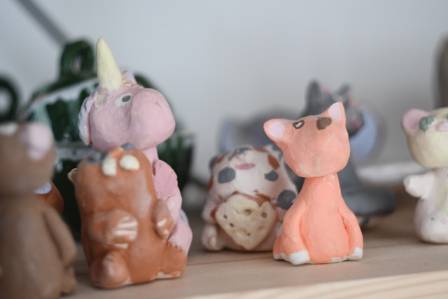
Sculpting clay animals can begin as a simple experiment and gradually grow into a deeply fulfilling creative path. What starts with curiosity about a new medium can evolve into a full-time practice, combining craftsmanship, patience, and personal expression. This guide walks through the essential ideas, processes, and mindset behind sculpting clay animals in a clear and approachable way.
Discovering Clay Animals Naturally
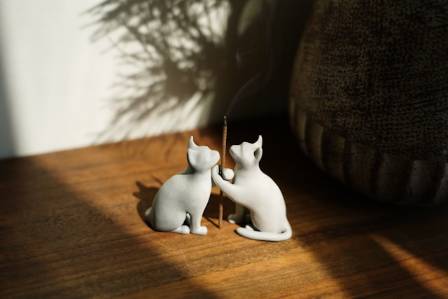
Many artists do not begin with the intention of sculpting animals. Experimentation with hand-building techniques often leads naturally to figurative forms. Rolling, shaping, and responding intuitively to the clay allows animal figures to emerge organically, making the process feel playful rather than forced.
Hand Sculpting and Artistic Choice
Each clay animal is sculpted entirely by hand, without molds. This approach ensures that every piece remains unique and expressive. Hand sculpting also allows for flexibility and spontaneity, encouraging subtle variations in posture, gesture, and character that molds cannot replicate.
Tools and Materials for Beginners
In the early stages, hands are the most important tools. Specialized tools can come later, once personal preferences develop. Investing time in learning technique is far more valuable than buying equipment too early. Different tools support different finishes, from carved textures to smooth surfaces, and preferences naturally evolve with experience.
Understanding the Clay Sculpting Process
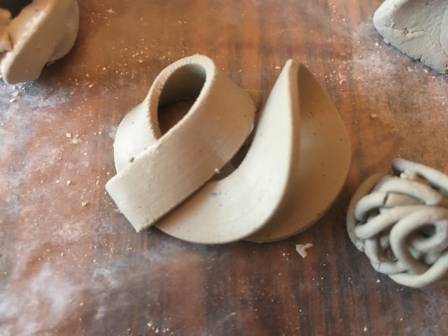
Sculpting begins with a simple ball of clay. Choosing a clay that is plastic and easy to work with is essential, especially when combining it with other materials. Sculpting can be done at home or in a studio, but firing requires a professional kiln. High temperatures and safety considerations make proper training essential, reinforcing the value of formal instruction.
Working Through the Stages of Clay
Clay changes dramatically as it dries. Fresh clay is soft and difficult to support, while partially dried clay allows for more structural detail. If clay dries too much, it becomes brittle and prone to cracking. Learning to work within these stages takes time and practice, along with techniques such as attaching dried elements later or controlling moisture with simple tools.
Decorating, Glazing, and Firing
Once the basic form is complete, decoration adds personality and depth. Painting can be done on bone-dry clay or after firing, depending on comfort level. Underglazes provide color, while clear glazes create a finished surface. Most pieces require two firings, with additional firings for specialty finishes such as metallic accents.
Exploring Alternative Clay Materials
Other materials like air-dry clay, cold porcelain, and polymer clay are also popular for sculpting animal figurines. Each has its own properties and workflows. While these materials offer flexibility, traditional ceramic clay remains a strong choice for those interested in durability and professional ceramic practices.
A Creative Path Worth Taking
Sculpting clay animals is both calming and challenging. It rewards patience, curiosity, and persistence. With the right guidance and a willingness to experiment, it can grow from a simple hobby into a meaningful artistic pursuit, whether practiced for personal joy or professional fulfillment.
संबंधित फ़ाइलें

// hi
परमेश्वर उकाब के बारे में क्या बताता है
AUTH: दीपा
// en
The Ultimate Vase Collection: Six Essential Vessels for Every Floral Style
AUTH: Lucy Margaret Thornton
// hi
अब तक के 10 सबसे प्रतिष्ठित वोक्सवैगन बीटल मॉडल
AUTH: आयुष

// hi
ऑटोमोबाइल से जुड़े रोचक तथ्य: कारों की दुनिया में एक गहन पड़ताल
AUTH: रमेश माहेश्वरी

// hi
दुनिया के सबसे खूबसूरत रेगिस्तान
AUTH: इशान
// hi
10 सबसे अच्छे स्वस्थ नाश्ते के खाद्य पदार्थ
AUTH: चिराग